Tetanus in Cats: Symptoms and Treatment


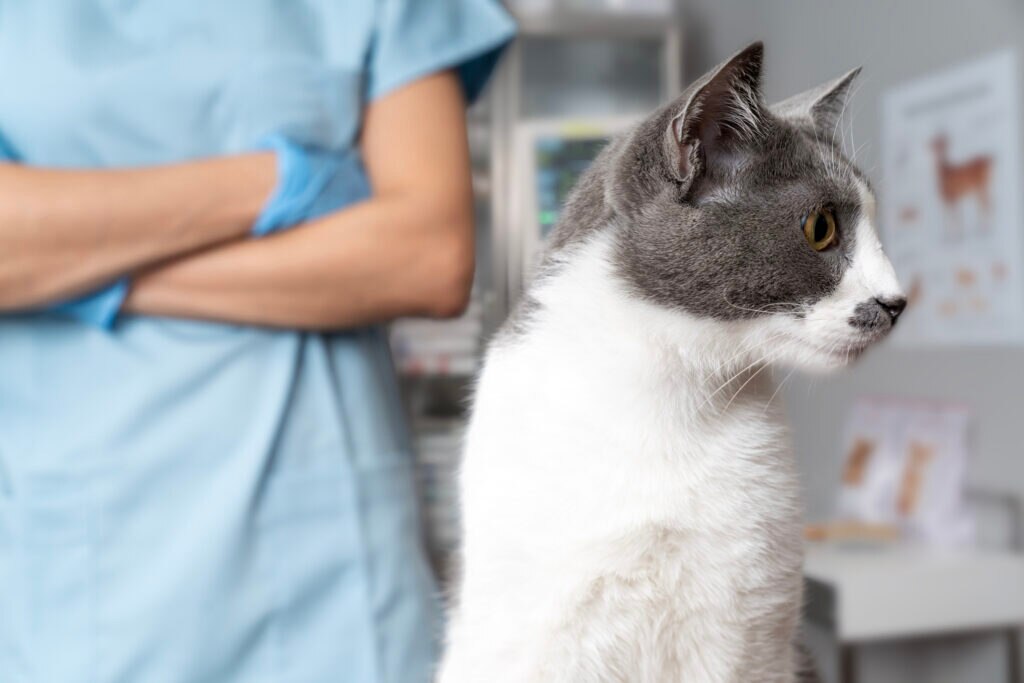
ArtPhoto21/iStock/Getty Images Plus via Getty Images
We’ve all heard of tetanus and how it’s prevented through vaccines in people, but can cats get tetanus too?
The answer is yes, but fortunately this is not very common.
In this article, you’ll learn everything you need to know about tetanus in cats, including symptoms to watch for, how it’s diagnosed, and potential treatment options.
Key Takeaways
- Tetanus is an infection caused by a toxin-producing bacterium called Clostridium tetani that enters a skin wound after an injury or bite.
- Tetanus results in concerning symptoms, such as muscle spasms, body stiffness, and sensitivity to touch or sounds.
- Treatment for tetanus consists of antitoxin injections and supportive care, such as intravenous fluids, antibiotics, and sedatives.
- Prevention of tetanus focuses on prompt wound care after injuries or bites.
What Is Tetanus in Cats?
Tetanus in cats is a type of infection that affects a feline’s nervous system.
It results when bacteria enter the body and make toxins that disrupt normal nerve functioning. Affected cats have severe muscle spasms and body stiffness. Tetanus begins as a localized infection in the neck and hind legs and spreads quickly to the rest of the body.
Tetanus in cats is considered a medical emergency and can be life-threatening if not treated early.
If you think your cat may have tetanus, it is important to see a veterinarian right away for treatment.
Symptoms of Tetanus in Cats
Symptoms of tetanus in cats include:
- In early stages, stiffness of neck, face, and hind legs
- Generalized body stiffness in later stages
- Muscle spasms
- Sensitivity to touch and sounds
- Stiff tail extended outward
- Visible third eyelids
- Tense facial muscles
- Tightened jaw (lockjaw)
- Excessive drooling
- Difficulty eating
- Difficulty breathing
- Fever
Causes of Tetanus in Cats
Tetanus in cats is caused when a bacterium called Clostridium tetani enters a skin wound and makes a toxin that spreads from the bloodstream to the nerves, brain, and spinal cord.
Puncture wounds are the most common point of entry, such as through an animal bite or traumatic injury. This bacterium can be found in contaminated animal feces, soil, or dirt.
Outdoor cats are more likely to be exposed to the bacterium and other animals or hazards that could create a skin wound.
Fortunately, tetanus in cats is rare.
How Veterinarians Diagnose Tetanus in Cats
Diagnosis of tetanus in cats involves a physical exam, a thorough history, and diagnostic testing.
Your vet will start by examining your cat, looking for any wounds that may be there. Tell your vet if your cat has had any recent outdoor exposure, traumatic injuries, or contact with other animals.
If your vet suspects tetanus, diagnostic testing may be done to confirm diagnosis and check your cat’s overall health.
These tests may include:
- PCR: A small sample of the wound can be taken and sent to a laboratory to confirm the toxin is there.
- Blood work: A sample of blood is used to check blood cell counts, organ function, and electrolyte status.
- Urinalysis: Urine can be tested for signs of infection, inflammation (swelling), or underlying kidney disease.
Treatment of Tetanus in Cats
If diagnosed early, tetanus in cats can be treated with antitoxin, which binds to the toxin in the blood and prevents nerve damage.
If a wound is found on your cat, it will be thoroughly cleaned. Surgery is often done to remove the dead skin surrounding the wound that has the bacteria to support recovery.
Additional supportive care is often needed, which may include:
- Antibiotics, such as metronidazole, to kill C. tetani
- Intravenous (IV) fluids to support hydration
- Muscle relaxants, such as methocarbamol, to reduce muscle spasms
- Sedatives, such as acepromazine, to reduce stiffness and anxiety
- Dark, quiet recovery space during hospitalization to reduce stimulation
Recovery and Management of Tetanus in Cats
Recovery from tetanus in cats varies, based on severity of disease.
If the infection is localized and treated early, there is a better outlook for recovery. These cats generally fully recover in a few weeks.
However, cats with generalized tetanus and severe symptoms need significant supportive care, and some cases may still be life-threatening.
Prevention of Tetanus in Cats
There is not currently a vaccine to prevent tetanus in cats.
Pet parents can reduce the risk of tetanus in their cats by doing the following:
- Ensure all skin wounds are thoroughly cleaned right away.
- Get prompt veterinary care for any bite wounds or traumatic injuries.
Tetanus in Cats FAQs
How do you know if a cat has tetanus?
Cats with tetanus have muscle spasms, body stiffness, drooling, and difficulty eating. If you think your cat may have tetanus, bring them to a veterinarian for a diagnosis.
Do indoor cats carry tetanus?
Yes, indoor cats can still get tetanus. If they get an injury or bite wound, the bacterium causing tetanus can still enter the wound.
Can tetanus in cats be cured?
If diagnosed and treated early, tetanus can be cured in cats. However, the infection is still considered life-threatening in many cases, especially for cats with severe symptoms.
What are the first signs of tetanus?
The first sign of tetanus in cats is often muscle stiffness near the wound site. This may progress to generalized body stiffness and muscle spasms that show the condition is worsening.


