Pericardial Effusion in Cats: Common Symptoms and How It’s Diagnosed


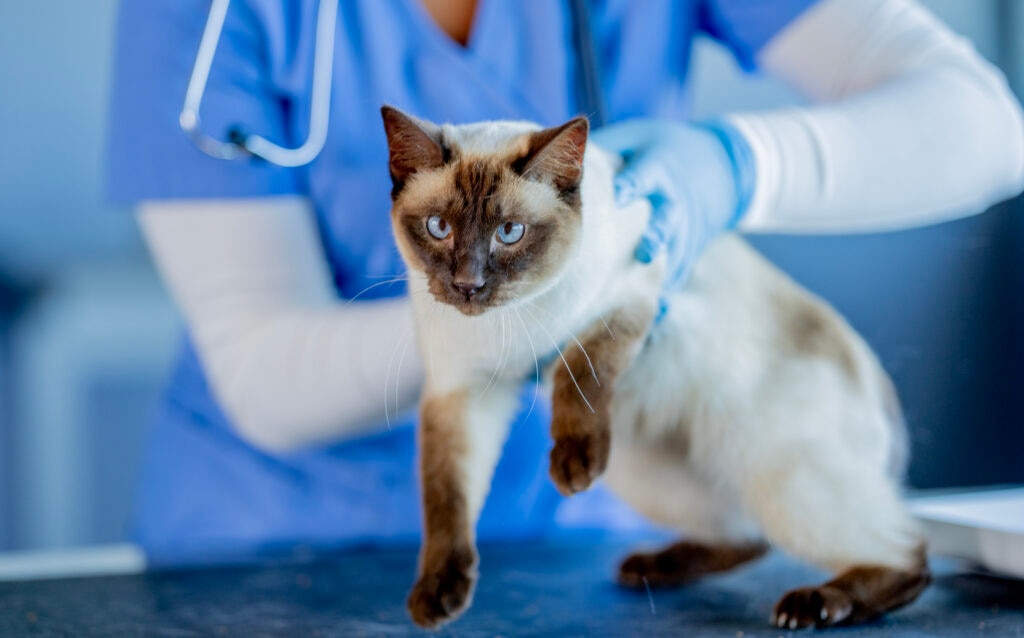
FatCamera/E+ via Getty Images
Pericardial effusion in cats is the abnormal accumulation of fluid around the heart. When this occurs the heart can’t function normally, and treatment is required to help your pet feel better.
Cats can recover from this condition, but the prognosis depends on how quickly treatment is initiated and the underlying cause that led to fluid buildup.
Next, let’s look at what causes pericardial effusion and what to do if you think your cat is affected.
Key Takeaways
- Pericardial effusion refers to fluid accumulation around a cat’s heart, which creates pressure and interferes with pumping ability.
- Cats with pericardial effusion can experience pale gums, difficulty breathing, and collapse and should be treated as a medical emergency.
- Pericardial effusion is diagnosed using a thorough history, physical exam, and diagnostic testing, such as an echocardiogram.
- Treatment should initially focus on stabilizing the cat with oxygen therapy and intravenous fluids, followed by medications to manage the underlying cause.
What Is Pericardial Effusion in Cats?
Pericardial effusion refers to fluid buildup within the thin sac surrounding the heart. There’s usually a small amount of fluid within this sac; however, when a large amount of fluid abnormally accumulates, it puts pressure on the heart, preventing it from filling properly.
As a result, less oxygenated blood is pumped throughout the body. This leads to symptoms of shock, such as sudden weakness, difficulty breathing, and pale gums.
Fortunately, this condition is rare in cats.
Pericardial effusion is considered a medical emergency.
Left untreated, it can cause shock and sudden death. If you think your cat may have pericardial effusion, take them to your veterinarian or an emergency hospital immediately.
Symptoms of Pericardial Effusion in Cats
Symptoms of pericardial effusion in cats include:
-
Abdominal swelling (pot-bellied appearance)
-
Sudden weakness or collapse
-
Difficulty breathing
-
Pale gums
-
Exercise intolerance
Causes of Pericardial Effusion in Cats
Though pericardial effusion in cats is rare, underlying causes include:
-
Heart disease (most common)
-
Heart tumor, such as lymphoma
-
Foreign object, such as a grass awn, penetrating the pericardial sac through a traumatic injury
-
Autoimmune conditions, such as systemic lupus erythematosus
-
Trauma, such as being hit by a car
-
Idiopathic (unknown cause)
While any cat can develop pericardial effusion, it’s more common in seniors and cats with pre-existing heart disease.
Purebred cats, such as Persians or Siamese, have an increased risk for heart disease, which may increase their risk for pericardial effusion.
Cats allowed outside are more likely to have traumatic injuries, which increases their risk for this condition as well.
How Veterinarians Diagnose Pericardial Effusion in Cats
Your veterinarian can diagnose pericardial effusion in cats and the underlying cause by using a thorough history, a physical exam, and diagnostic testing.
Let your veterinarian know if your cat has had any recent injuries, takes any medications, or may have been exposed to a toxin.
If pericardial effusion in cats is suspected, diagnostic testing may include:
-
Blood work: A small sample of blood is used to check your cat’s overall health, including blood cell counts and organ function.
-
Urinalysis: This test uses a small amount of urine to evaluate kidney health and screen for a urinary infection or other condition that may contribute to pericardial effusion.
-
Blood pressure measurement: Abnormally low blood pressure can indicate the heart isn’t pumping properly, which could suggest pericardial effusion.
-
X-rays: Images of the chest can show abnormalities involving the heart or lungs, such as a tumor or fluid accumulation.
-
Echocardiogram: This test is an ultrasound scan of the heart, which shows how the heart pumps blood and whether there is fluid surrounding the heart.
-
Electrocardiogram (ECG/EKG): This non-invasive test shows the electrical activity of a cat’s heart, which may be affected by pericardial effusion.
Treatment of Pericardial Effusion in Cats
Treatment for pericardial effusion in cats focuses on stabilizing the cat and reducing symptoms.
The cat will initially be hospitalized for oxygen therapy and intravenous (IV) fluids. Then the veterinarian will want to reduce pressure on the heart, which may involve:
-
Pericardiocentesis: Using ultrasound to ensure proper positioning, a small needle is placed through the chest wall and into the sac surrounding the heart to remove fluid. Sedation may be required.
-
Fluid analysis: Once pericardial fluid is removed, it can be submitted for testing. Components in the fluid can help to identify the underlying cause, such as an infection or cancer.
-
Pericardiectomy: This specialized surgery, performed by a veterinary cardiologist, involves removing all or part of the pericardial sac so that fluid no longer has a space to accumulate. This surgery is reserved for chronic or recurring cases, or those that don’t respond to other treatments.
Once the underlying cause has been identified, additional treatment may include:
-
An antibiotic, such as Clavamox, to treat a bacterial infection
-
Steroids, such as prednisolone, to reduce inflammation
-
Chemotherapy or radiation to treat cancer
-
An antiviral medication, such as GS-441524, to treat feline infectious peritonitis
Recovery and Management of Pericardial Effusion in Cats
Pets experiencing distress due to pericardial effusion in cats generally improve rapidly after initial stabilization.
However, the long-term survival rate generally ranges from days to months, depending on the underlying cause.
For example, cats with cancer typically have a poorer prognosis than cats with FIP, who tend to live much longer with available treatments.
To help your cat recover, you can do the following:
-
Follow your veterinarian’s instructions closely regarding medications and follow-up appointments.
Prevention of Pericardial Effusion in Cats
While pericardial effusion in cats isn’t always preventable, pet parents can take the following steps to reduce their cat’s risk:
-
Ensure any underlying health conditions are appropriately managed.
-
Keep your cat up to date on all vaccinations and preventive care to identify health concerns early.
-
Feed a high-quality diet (such as Blue Buffalo Tastefuls Weight Control Adult Cat Food) and always provide access to fresh, clean water (like through a cat water fountain).
-
Keep your cat at an optimal weight to reduce the workload on their heart.
Pericardial Effusion in Cats FAQs
Can a cat recover from fluid around the heart?
If treated promptly, cats can recover from fluid surrounding the heart. Treatment consists of stabilizing the cat and managing the underlying condition. Cats experiencing distress due to pericardial effusion generally improve rapidly after initial stabilization.
What can cause pericardial effusion in cats?
There are a variety of reasons cats may develop pericardial effusion. Heart disease is the most common cause, but accidental ingestion of rodenticide, trauma, infections, and cancer are other possible causes.
How long will a cat live with a pericardial effusion?
The long-term survival for cats generally ranges from days to months, depending on the underlying cause. Cancer has a poorer prognosis compared to FIP, for example.


