7 Betta Fish Facts: Lifespan, Size, and Care


Istock/CmErsoy
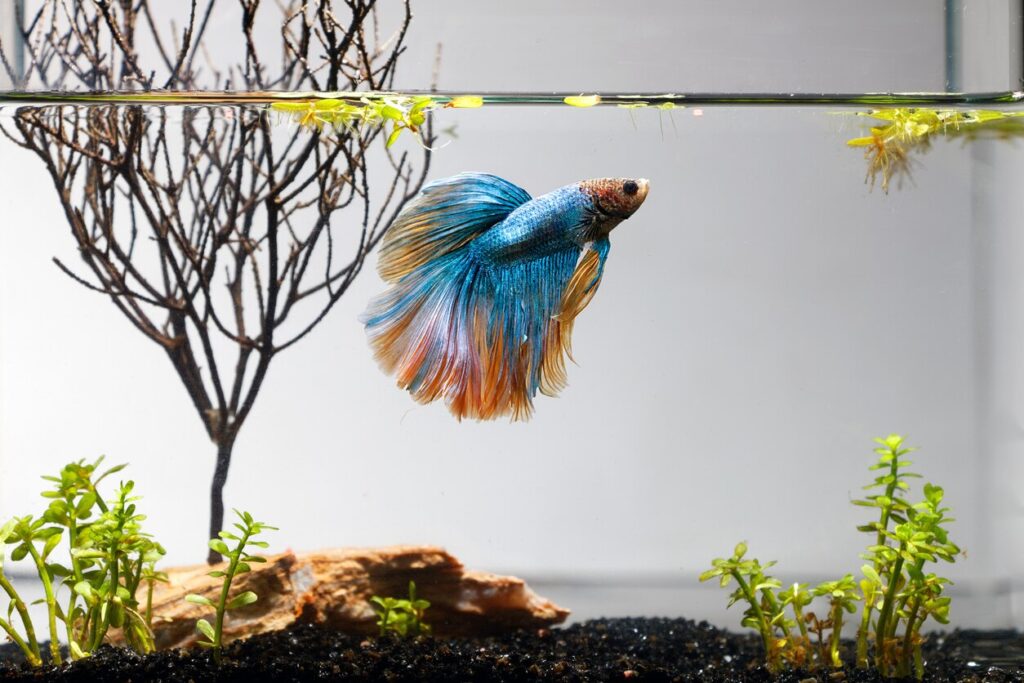
Betta fish (Betta splendens), also known as Siamese fighting fish, are one of the most popular freshwater aquarium species.
They are known for their bright colors, unique fin shapes, and relatively easy care requirements, making them a great fish for beginners.
If you’re considering adding one to your aquarium, here are some essential betta fish facts to help you better understand their needs.
Key Takeaways
- Betta fish are colorful, hardy freshwater fish known for their unique fins and territorial behavior.
- They typically live three to five years, though proper care can extend their lifespan.
- Bettas require adequate tank space, clean water, and a high-protein diet.
- Male bettas should be kept alone, while females can live together under the right conditions.
Betta Fish Facts
1. The Betta Fish Lifespan Is 3–5 Years
One of the most common questions about betta fish is “how long do betta fish live?”
Most bettas live three to five years, though some have been known to live up to 10 years with excellent care.
Betta fish lifespan can be maximized when they are kept in ideal environments with proper care. With improper care, bettas are more susceptible to developing diseases or illness, which can shorten their lifespan considerably.
2. Betta Fish Can Reach 2.5 Inches Long
Most betta fish will reach about 2.5 inches long as adults, not including their tails.
There are many types of bettas, and tail shape varies widely. Some have long, flowing fins, while others have shorter, more compact tails.
3. Bettas Need Proper Tank Space
Recreating the betta fish natural habitat should be the top priority when keeping them in an aquarium. It’s important to consider a large enclosure when planning to keep a betta.
The ideal tank size for a betta is at least 10 gallons, though larger tanks provide more space and enrichment.
For example, 20-gallon tanks may have enough space for decorations such as rocks and driftwood, which can provide a great ecosystem for your betta.
Depending on how many bettas you keep in an enclosure, each fish should have about 5 gallons of space.
It’s not recommended to keep bettas in bowls
4. Betta Fish Are Native to Asia
Bettas originally come from Southeast Asia and can be found in:
- Thailand
- Vietnam
- Myanmar
- Laos
- Cambodia
- Indonesia
- Malaysia
Bettas are freshwater fish, and they generally live in shallow areas like rice paddies and marshes.
5. Bettas Are Called Fighter Fish
Bettas are known as fighting fish due to the territorial nature of male bettas.
Male bettas should never be housed together, as they will often fight, sometimes fatally.
Territory aggression commonly happens in the wild when ponds containing bettas dry up. Bettas become isolated within smaller ponds and fight with one another.
When the fish’s aggressive nature was discovered, humans used betta fish as a form of entertainment.
There are over 70 different types of bettas that have been selectively bred for specific traits, including fin appearance, pattern, and coloration.
Fighting became so popular that the King of Siam started to regulate these fights to collect some of the winnings and owned personal fighting fish.
Bettas were one of the first fish species to be domesticated about 1,000 years ago. During the 19th century, they were introduced to western civilizations and became one of the most popular ornamental fish species.
6. Female Bettas Can Live With Other Fish
Unlike males, female bettas are generally less aggressive and can sometimes be housed together in small groups called “sororities.”
Depending on the space you provide, pet parents can keep three to five female bettas together. Females should be kept in odd numbers because they often develop a dominance hierarchy within their group.
Bettas can also coexist with certain tank mates, such as:
- Neon tetras
- Bottom-dwelling fish
- African dwarf frogs
Compatibility depends heavily on tank size and setup.
7. Betta Fish Need High-Protein Food
Bettas are carnivores so their diet should be high in protein.
In the wild, they eat insects and larvae. In captivity, their diet should consist of:
- High-quality betta pellets
- Occasional treats like brine shrimp, bloodworms, or krill
It's recommended not to use fish flakes to feed bettas because many fish may not accept them as food and they may not eat enough flakes to support themselves.
Feed your betta once daily in small portions. A good rule of thumb is feeding an amount roughly equal to the size of the fish’s eye.
Overfeeding can lead to poor water quality and health problems, so uneaten food should be removed.
Betta Fish Facts FAQs
What are betta fish known for?
Betta fish are known for their bright colors, flowing fins, and territorial behavior. They are popular freshwater fish that are relatively easy to care for but require proper tank size and diet.
Can betta fish live in small bowls?
No, bettas should not be kept in bowls.
They require properly filtered tanks with enough space—ideally 10 gallons or more—to maintain healthy water conditions.
Can male bettas live together?
No, male bettas should never be housed together.
They are highly territorial and will likely fight.


