Betta Fish Care Sheet


Istock/bobbyphotos
Betta Fish Species Overview
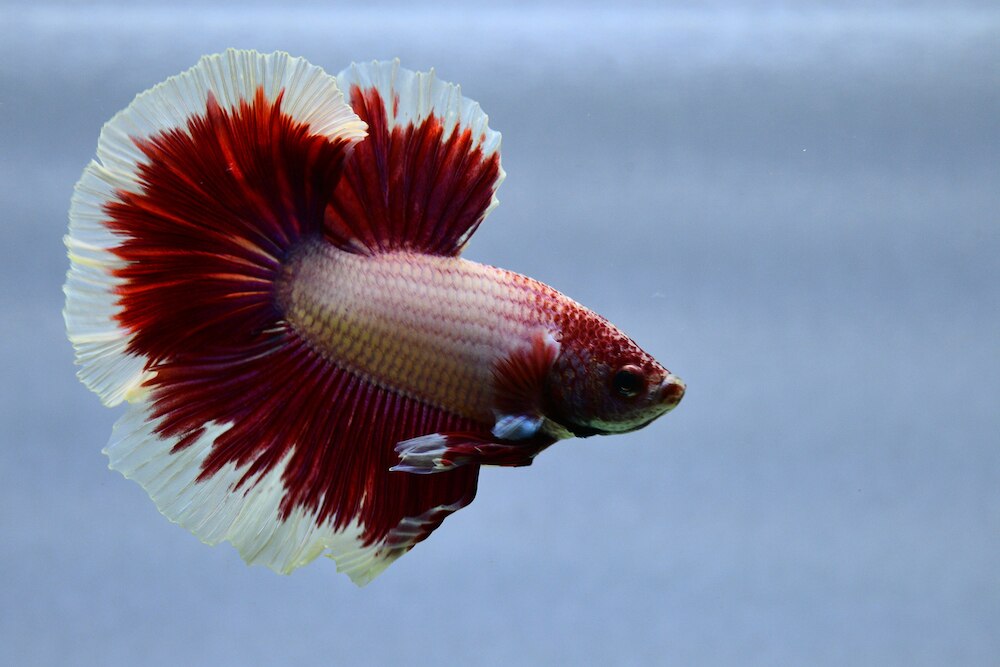
Betta fish (Betta splendens) are bright, curious freshwater fish who can be a great “first fish” for pet parents—as long as their tank is properly set up and maintained.
Even though bettas are small, they do best with stable, clean water, warm temperatures, and a setup that helps them feel secure (think: gentle flow, hiding spots, and open surface access for breathing).
Characteristics of Betta Fish
|
Difficulty of Care |
Beginner-friendly (with a properly equipped, fully cycled tank) |
|
Average Life Span |
3–5 years with proper care |
|
Average Adult Size |
2.5–3 inches (body length; long fins can make them look bigger) |
|
Diet |
Carnivorous (high-protein foods formulated for bettas) |
|
Minimum Habitat Size |
At least 2.5 gallons; 5–10 gallons is ideal for space and more stable water conditions |
|
Water Temperature |
76–81 F (many bettas do best toward the warmer end of that range, but stability is more critical than absolute value) |
|
pH |
Target around 7; they tolerate about 6.5–7.8 |
Betta Fish Supply Checklist
To help keep a betta healthy and happy, have these basics ready before bringing them home:
- Aquarium (2.5 gallons or larger)
- Lid/cover (bettas can jump)
- Filter (low or adjustable flow is best)
- Heater + thermometer
- Water conditioner (for tap water) and beneficial filtration bacteria starter.
- Water quality test strips or test kit
- Betta fish food
- Decorations for hiding and resting (live or artificial plants, caves, logs—smooth edges only)
- Substrate (optional)
- Net
- Bucket with lid (optional, for conditioned water during water changes)
- LED light (helpful for live plants and day/night rhythm)
Betta Fish Habitat
Betta Fish Tank
A well-set-up tank is the biggest “secret” to betta success. Bettas come from still, slow-moving waters with lots of plants, so aim for a cozy tank with places to hide without overcrowding the surface (bettas have a labyrinth organ and regularly breathe air from the surface).
Tank size: While bettas are small, they do best in at least 2.5 gallons, and 10 gallons or larger is ideal because bigger fish tanks are often easier to keep stable (temperature and water chemistry swing less).
Decor tips (fin-friendly): Avoid sharp decorations, rusty metal, painted ornaments that can flake, and items like shells/coral/sand collected from beaches that can alter pH. Live plants, driftwood, and smooth inert decorative rock are ideal.
Cycling Your Tank (Don’t Skip This)
Cycling your tank (allowing the beneficial bacteria that break down fish waste to develop) is critical. While there are options to cycle without fish, often best results are obtained by cycling with fish in the tank.
If you utilize bacteria starter cultures, you can significantly reduce the stress on the fish during this period.
This can take four to six weeks, and water should be tested during the cycling period.
Tank Filter
Even in smaller aquariums, a filter helps keep water parameters stable and supports the tank’s “good bacteria.” Choose a filter rated for your tank size and aim for low or adjustable flow, since strong currents can stress bettas (and may tire long-finned varieties).
Air-driven sponge filters or box filters or very low flow rate filters are ideal for bettas.
Betta Fish Water Quality
Stable water is a big part of betta wellness. Test tank water weekly and focus on key parameters like ammonia, nitrite, nitrate, and pH. While a pH near 7 is ideal, a range of 6.5–7.8 is fine, and having a tank pH near your tap water pH will allow for frequent water changes which is more important.
When doing water changes, treat new water with a water conditioner to remove chlorine/chloramine and address heavy metals that can be harmful to fish.
Betta Fish Water Temperature
Bettas are tropical fish and thrive in warm water. Keep the aquarium between 76–81 F and use a thermometer to confirm it stays in range. Select a heater that provides about 3–5 watts per gallon.
Do Betta Fish Need a Heater?
Even if your home is generally in the safe temperature range you should still provide a heater to prevent temperature fluctuations which are very stressful to fish.
Cleaning and Maintenance of Betta Fish
A simple routine helps prevent most common issues.
Suggested care schedule:
- Daily: Feed your betta (once or twice per day); check equipment; confirm temperature is in range.
- Weekly: Test water; siphon substrate with a gravel vacuum; change 15–25% of the water.
- Monthly: Clean algae from glass/decor as needed; replace filter media as appropriate.
Avoid “deep cleaning” that strips everything at once—your tank’s beneficial bacteria live on surfaces like filter media and decor.
What Fish Can Live With Bettas?
Bettas can have tank mates in the right setup, but personality varies—some bettas are chill roommates, others prefer living solo.
- Male bettas: they’re perfectly fine kept alone, but they can also do well in a community tank with small fish. Avoid known fin-nippers like tiger barbs, as well as long-finned species that the betta may spar with.
- Female bettas: may be kept in groups called a sorority, but the tank should be at least 10 gallons, and the setup needs lots of hiding places.
Examples of potential tank mates (size- and temperament-dependent) include corydoras catfish, mystery snails, ghost shrimp, and some small tetras or rasboras.
Betta Fish Health
Signs of a Healthy Betta
Healthy bettas typically show:
- Bright, vibrant coloration
- Intact fins
- Normal activity (swimming around the tank—not always hiding)
- Good appetite
When To Contact a Fish Expert
Because fish can decline quickly, contact a local fish store or other expert if you notice:
- Not eating
- Lethargy or abnormal swimming
- Fins that look frayed or worsening
- New spots, growths, or unusual changes in appearance
If your betta seems unwell, start by checking water quality and temperature, since water issues are a very common root cause of stress and illness. Doing a water change and increasing the temperature is often the first step in improving husbandry.
Betta Fish FAQs
Are betta fish easy to care for?
Bettas are often considered beginner-friendly, but they still need a properly equipped, fully cycled tank and consistent maintenance.
What do betta fish need in their tank?
A 2.5+ gallon aquarium with a lid is ideal, including a heater, thermometer, filter (gentle flow), places to hide, conditioned water, and a way to test water quality.
Can betta fish live in tap water?
They can, but tap water must be treated with a conditioner first to remove chlorine/chloramines and address heavy metals.
How do you know a betta fish is happy?
A “happy” betta is usually a healthy one: good color, intact fins, normal activity, and an eagerness to eat.


