When Should You Take Your Sugar Glider to the Veterinarian? Everything a Pet Parent Needs to Know


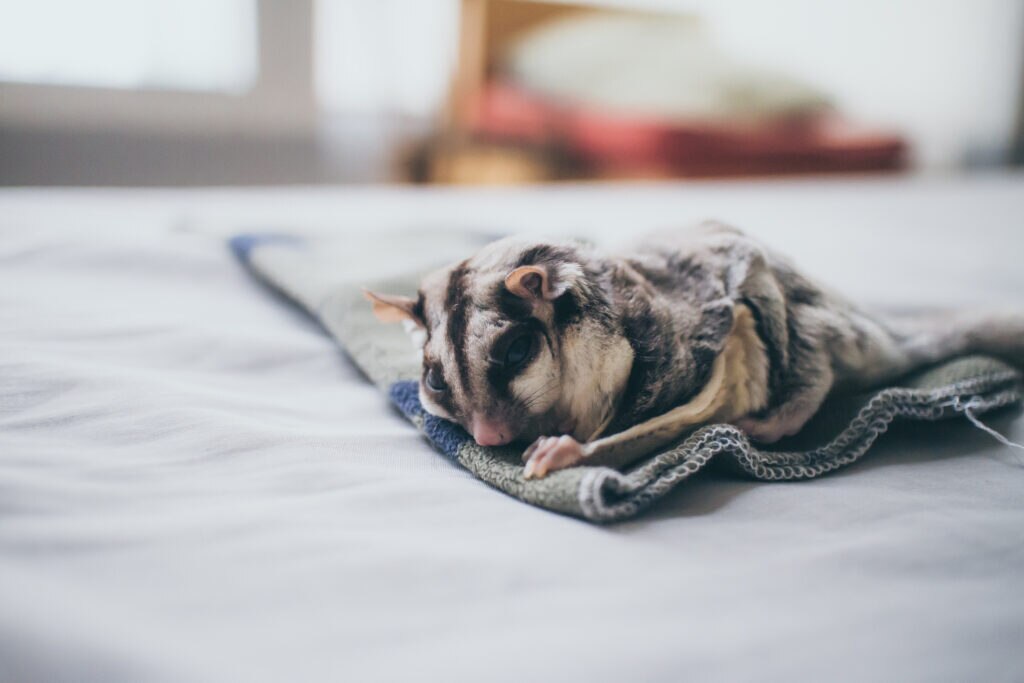
If your sugar glider is eating or drinking less, having trouble breathing, acting unusually tired, or showing changes in grooming or behavior, it’s time to see a veterinarian.
Because sugar gliders instinctively hide signs of illness, even subtle changes can signal a serious health problem that needs prompt attention. Knowing when to schedule a vet visit—and when to seek emergency care—can help your pet get treatment before their condition worsens.
This guide explains the warning signs to watch for, common health concerns, and how regular veterinary care can help keep your sugar glider healthy.
Key Takeaways
- Sugar gliders often hide signs of illness, so subtle changes in behavior, appetite, or grooming may be the first indicators that they need veterinary care.
- Seek immediate veterinary attention if your sugar glider has difficulty breathing, stops eating or drinking, experiences injury, or shows neurologic symptoms, as their condition can decline rapidly.
- Annual veterinary check-ups and proper diet, housing, and enrichment are essential for preventing common health problems and detecting illness early in sugar gliders.
Why Regular Veterinary Care Is Important for Sugar Gliders
Prevention is the best medicine—annual check-ups help your vet establish a healthy baseline and detect trends in your sugar glider’s health, leading to earlier detection of illness.
Exams monitor for the development of common health problems such as nutritional deficits and dental disease. Routine visits may even help your vet diagnose an illness before your glider shows any symptoms.
What Are Signs That a Sugar Glider Needs to See a Veterinarian?
Behavior changes help you decide when your sugar glider needs to see a veterinarian.
Shifts in appetite, activity, breathing patterns, or grooming habits, as well as changes in their urine or feces, are signs that your sugar glider should be seen promptly.
Changes in Appetite or Drinking
Increased thirst and hunger can be signs of developing diseases. Eating and drinking less can also be a warning sign of an underlying illness and can quickly develop into a serious situation.
Dehydration can become life-threatening to your sugar glider within 10 to 12 hours.
Rapid weight gain or loss can also be a sign of an underlying disease, even if you haven’t noticed changes in your glider’s eating or drinking habits.
Lethargy or Weakness
Although it’s normal for sugar gliders to sleep during the day, sleeping more than normal during typically active hours can be a sign of lethargy.
Weakness, which can appear as difficulty gripping, climbing, or gliding, can also be a sign that your sugar glider needs to see a veterinarian.
Breathing Problems
Wheezing, clicking noises, and nasal discharge can be signs that your sugar glider is having a hard time breathing. Changes in breathing always require a prompt veterinary visit.
Signs of respiratory distress in your sugar glider can include open-mouth breathing, gasping for air, or increased effort when breathing. Respiratory distress should always be treated as an emergency.
Changes in Fur or Grooming
Over- or under-grooming can be signs that your sugar glider isn’t feeling well.
Changes in the fur, such as tail or facial staining, bald patches, matted fur, or overall poor coat condition, can indicate an underlying disease.
Changes in Stool or Urination
Stool that is softer or harder than normal can signal shifts in your sugar glider’s health. Diarrhea, blood in the stool, constipation, or straining to defecate should always be promptly evaluated by your sugar glider’s vet.
Changes in urination also signal that your sugar glider needs to see a veterinarian. In addition to straining, an inability to urinate, or blood in the urine, an increase or decrease in urine production should also be evaluated.
Behavioral Changes
Sudden aggression, irritation, or fearfulness can stem from underlying health issues. Stressed sugar gliders may hide more and even start to self-mutilate. If you notice concerning behavior changes, it’s important to have your sugar glider evaluated by their veterinarian to check for an underlying illness or other potential trigger.
What Symptoms Require Emergency Veterinary Care?
Since sugar gliders are so small, their condition can go downhill rapidly. They are a prey species, so they will often hide their illness.
Seek immediate emergency care if your sugar glider is having difficulty breathing, experiences a traumatic injury, has a seizure, collapses, or refuses to eat or drink.
Other emergency symptoms include:
- Difficulty breathing
- Severe injuries
- Seizures or neurological symptoms
- Inability to eat or drink
- Self-harm
Common Health Problems in Sugar Gliders
Nutritional deficiencies, obesity, dental disease, infections, parasites, injuries, and stress-related conditions are some of the most common health issues in sugar gliders.
Nutritional Deficiencies
If your sugar glider doesn’t eat an appropriate diet, they won’t get all the vitamins and minerals they need. Calcium and vitamin deficiencies can lead to metabolic bone disease and the development of secondary problems.
Obesity
An improper diet, along with a lack of exercise, can also cause obesity. Excess weight can lead to secondary diseases as well as mobility problems.
Dental Disease
Since a sugar glider’s diet is high in sugar, dental disease is a common problem. Tartar rapidly develops and can lead to difficulty eating, broken teeth, and oral infections. Avoiding soft diets and feeding insects with exoskeletons can help break up tartar naturally.
Parasites
External parasites are uncommon with proper care. Internal parasites, such as giardia, have been seen in captive sugar gliders, but they rarely cause disease. Sugar gliders can also be infected by toxoplasma, which is commonly spread through cat feces and can cause neurological problems and even sudden death. Caution should be taken to prevent your sugar glider from coming into contact with cat feces.
Respiratory Infections
Nasal discharge may be a sign of a respiratory infection, which can develop from poor sanitation or environmental changes. Left untreated, a respiratory infection can lead to progressive breathing difficulty and potentially become life-threatening.
Urinary Issues
Sugar gliders can develop urinary crystals or stones. Male sugar gliders can also suffer from urinary obstruction, which is fatal without treatment.
Inability to urinate, straining, vocalizing during urination, and blood in the urine are emergencies and should be addressed immediately by a veterinarian.
Stress-Related Illness
Environmental changes, lack of enrichment, underlying illness, and even social problems can cause stress in your glider.
Stressed sugar gliders commonly self-mutilate and can cause serious harm to themselves.
How To Find a Veterinarian for Your Sugar Glider
Not every veterinarian sees exotic pets, so it’s crucial to find one who is familiar with small marsupials. It’s important to know whether the clinic sees emergencies and offers after-hours services (or partners with a clinic that does).
Try to establish a relationship with a vet when your pet is healthy, so you know who to call if an emergency arises.
How To Prepare for a Sugar Glider Vet Visit
To get the most out of your time with the vet, it’s best to arrive prepared.
Before the Appointment
Gather information about your glider’s diet, their past medical records, and photos or videos if your glider is showing symptoms of illness. Ensure you are prepared to transport your glider safely.
During Transportation
Transportation can be stressful, so bring familiar bedding or pouches to help keep your glider comfortable and warm. They should be secure rather than allowed to roam freely.
Questions To Ask Your Veterinarian
Write down any questions you have for the veterinarian, so you remember to ask them! These may include:
- Is my sugar glider at a healthy weight?
- Does their current diet meet their nutritional needs?
- Are there signs of dental disease or other common problems?
- How often should wellness visits be scheduled?
- What symptoms should I watch for that prompt emergency care?
Can You Prevent Health Problems in Sugar Gliders?
With proper diet, housing, enrichment, and veterinary monitoring, many common health problems can be prevented.
Nutrition
In general, a sugar glider’s diet should consist of 50% nectar and 50% protein. This is a general guideline, but sugar glider nutrition is a bit more complex. Diets should contain certain percentages of important nutrients and minerals like calcium, phosphorus, and vitamin D. Too many carbohydrates can lead to obesity and dental disease. It is important to work with your veterinarian to find the best diet ratio for your sugar glider.
Gut-loaded insects with hard exoskeletons are recommended, along with a commercial insectivore diet. Small amounts of fruit, nuts, and vegetables may be used as treats in moderation. Offer food at night when they are most active.
Sanitation
Spot cleaning should be done daily.
Sugar gliders rely on scent, so a rotating cleaning schedule, such as alternating between washing the cage and toys each week, can help prevent stress.
Leaving an item with their scent in the cage can help reduce stress.
Cage Set-Up
A minimum 36”x24”x36” cage with bars no more than ½ inch apart is recommended. Vertical bars are harder to climb and ideally should be avoided. Also avoid galvanized wire cages, which can harbor heavy metals that can cause serious injury in sugar gliders.
Raised food and water stations should be placed in multiple parts of the cage (two of each at a minimum).
Hiding spots and pouches should be present, along with branches, exercise wheels, toys, swings, and other types of enrichment.
Ensure proper cage temperature ranges around 80–88 F, and keep the cage away from drafty doors or windows.
Socialization
Gliders are social and need to be housed in groups of at least two; a colony with one male and multiple females is ideal. Daily interaction and socialization are important to reduce stress and anxiety.
Exercise and Enrichment
Boredom leads to stress, anxiety, and obesity, so plenty of opportunities for play and exercise should be provided.
Monitoring Body Condition and Behavior
Keeping a close eye on your glider’s appearance and behaviors can help you notice some of the earliest signs of illness.
Routine Veterinary Care
Annual check-ups are one of the most critical components of disease prevention and early illness detection.
When Should You Take Your Sugar Glider to the Veterinarian FAQs
How often should a sugar glider see a veterinarian?
Sugar gliders should see a vet annually for a check-up, and any time between check-ups if they are showing signs of illness.
Do sugar gliders need exotic animal veterinarians?
Yes. Not all veterinarians work with exotic pets like marsupials.
Is it normal for a sugar glider to sleep a lot?
Sugar gliders are nocturnal, so it’s common for them to sleep during the day. However, if they are sleeping at night when they are normally active, this is worth discussing with your veterinarian.
References
Sources:
- Kahn CM, Line S. The Merck Veterinary Manual. 11th ed. Merck; 2010.
- Sirois M. Laboratory Animal and Exotic Pet Medicine. Elsevier Health Sciences; 2022.


