Dehydration in Sugar Gliders: Symptoms, Causes, and Emergency Care


What Is Dehydration in Sugar Gliders?
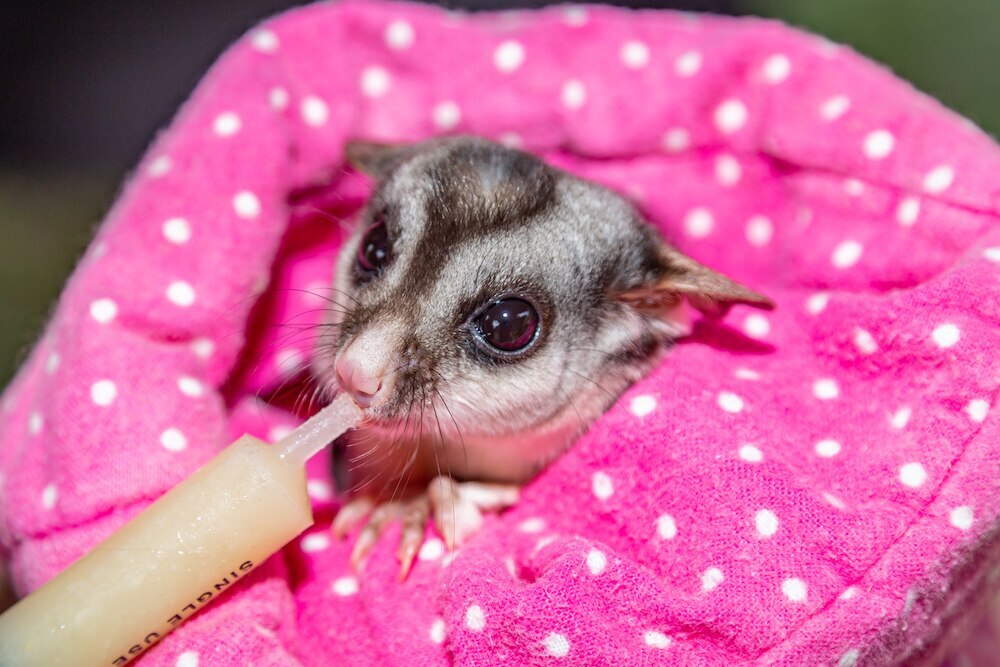
Dehydration in sugar gliders occurs when the body loses more water than it takes in, leading to dangerous fluid imbalance.
This condition is relatively common in sugar gliders, often due to improper diet—such as feeding only pelleted foods instead of a balanced diet that includes fresh foods and moisture sources.
Dehydration can progress very quickly in sugar gliders and may become life-threatening in as little as 12 hours.
If you suspect your sugar glider is dehydrated, seek veterinary care immediately.
Key Takeaways
- Dehydration in sugar gliders is a medical emergency that can become life-threatening.
- Common causes include improper diet, lack of water access, and underlying illnesses.
- Signs of dehydration include lethargy, sunken eyes, dry mouth, and decreased ability to climb.
- Prompt treatment—including fluids, nutritional support, and addressing the underlying cause—is critical for recovery.
Symptoms of Dehydration in Sugar Gliders
Symptoms of dehydration in sugar gliders can progress rapidly and should be treated as a medical emergency.
A healthy sugar glider is typically active, alert, and able to climb and grasp objects with all four feet. They should have bright eyes, a moist nose, pink gums, a smooth coat, and elastic skin.
Signs of dehydration may include:
- Dry nose and mouth
- Dull or sunken eyes
- Lethargy or lack of energy
- Inability to grasp or climb
- Loose or inelastic skin
- Abnormal breathing
- Seizures
If you notice any of these signs, contact your veterinarian immediately.
Causes of Dehydration in Sugar gliders
Dehydration in sugar gliders is most often caused by environmental factors, improper diet, lack of water access, or underlying medical conditions.
Habitat Temperature
Sugar gliders can tolerate temperatures between 60–90 F, but they thrive in environments maintained between 80–88 F.
Temperatures that are too hot or too cold can cause a sugar glider to become inactive, reducing their food and water intake and increasing the risk of dehydration.
Improper Diet
An unbalanced diet can lead to dehydration, especially if it causes diarrhea or insufficient fluid intake.
A proper diet should include:
- About 50% plant sugars (sap, nectar, or formulated nectar products)
- A mix of insects dusted with calcium powder and commercial pellets
- Small amounts of fresh fruits, vegetables, and nuts
Insufficient Water Source
Sugar gliders require constant access to clean water.
Best practices include:
- Providing at least two water sources
- Using hanging water bottles
- Cleaning and checking bottles daily
The ball mechanism in water bottles can become clogged or stuck, preventing water flow, so it must be checked and cleaned regularly.
Medical Conditions
Gastrointestinal abnormalities such as vomiting or diarrhea can quickly dehydrate a sugar glider. Normal stool has a consistency similar to toothpaste, but if it is wet or runny seek veterinary care right away.
How Veterinarians Diagnose Dehydration in Sugar Gliders
Veterinarians diagnose dehydration in sugar gliders through a physical exam and, if needed, additional diagnostic testing.
Physical Exam
During the exam, your veterinarian will assess:
- Eye appearance
- Moisture of the nose and mouth
- Fur quality
- Overall body condition
A common in-clinic test is the skin tent test. This involves gently pinching the skin between the shoulder blades and releasing it.
In a well-hydrated sugar glider, the skin quickly returns to normal. If the skin remains tented for more than one to two seconds, it indicates dehydration.
Additional Diagnostic Testing
If further evaluation is needed, your sugar glider may require sedation to reduce stress during testing.
Additional diagnostics may include:
- X-rays: To check for conditions such as pneumonia or internal masses that may contribute to dehydration
- Blood tests, including:
- Packed cell volume (PCV)
- Complete blood count (CBC)
- Blood chemistry panel
These tests help determine the severity of dehydration and assess whether internal organs have been affected.
Treatment of Dehydration in Sugar Gliders
Dehydration in sugar gliders is a medical emergency that requires prompt veterinary treatment.
At-Home Support (Before Veterinary Care)
If you cannot get to a veterinarian immediately, you can offer a temporary glucose solution to help support hydration.
This can be made by mixing one part regular honey (not raw or unfiltered) with 10 parts water. For example, using ½ teaspoon of honey with 5 teaspoons of water.
If honey is unavailable, you may use Gatorade® or unflavored Pedialyte®.
Always consult your veterinarian regarding how much to give, as dosing depends on your sugar glider’s size and condition.
Veterinary Treatment
Once evaluated, your veterinarian will provide fluid and electrolyte replacement, typically through injection, to correct dehydration.
Additional treatments may include:
- Antibiotics (if infection is present)
- Anti-diarrheal medications
- Deworming treatments
Some medications may be administered in the clinic, while others will be prescribed for at-home use.
Any underlying causes of dehydration in your sugar glider should also be addressed and treated by your veterinarian.
Recovery and Management of Dehydration in Sugar Gliders
Recovery from dehydration in sugar gliders varies depending on severity, but supportive care at home is essential for a successful outcome.
Some sugar gliders may recover quickly, while others require extended care and monitoring.
At-Home Care
To support recovery:
- Provide at least two sources of fresh, clean water daily (water bottle and/or shallow dish)
- Keep the enclosure, nest box, and food dishes clean
- Remove uneaten fresh foods after two to three hours to prevent bacterial growth
- Maintain a consistent day/night cycle, as sugar gliders are nocturnal
Nutritional Support
If your sugar glider is not eating on their own, supplemental feeding is necessary.
Options include:
- Commercially available rehydration diets and supplements
- Properly prepared Bourbon’s Modified Leadbeater’s (BML) diet
Your veterinarian can guide you on the best feeding plan and quantities for your sugar glider.
Long-Term Risks
Early treatment greatly improves the chances of a full recovery.
Prolonged dehydration can lead to serious complications, including:
- Urinary tract infections
- Bladder crystals or stones
- Kidney damage
- Liver disease
These conditions may require long-term medical management.
Dehydration in Sugar Gliders FAQs
How do you rehydrate a sugar glider?
Rehydrating a sugar glider requires both immediate at-home support and urgent veterinary care.
At home, you can offer a diluted honey mixture, Gatorade®, or unflavored Pedialyte® as a temporary measure. However, dehydration can become life-threatening quickly, so you should contact your veterinarian immediately. Your vet can provide electrolyte fluids by injection and treat the underlying cause.
Can you give Pedialyte® to sugar gliders?
Yes, unflavored Pedialyte® can be given temporarily to a dehydrated sugar glider.
It should only be used as a short-term supportive measure and not as part of a daily diet.
How often do sugar gliders drink water?
Sugar gliders primarily drink water at night because they are nocturnal.
Even though they are most active overnight, fresh, clean water should always be available at all times.
Can I give my sugar glider Gatorade®?
Gatorade® can be used short-term to help hydrate a sugar glider, but it should not be part of their regular diet.
Many sugar gliders like citrus flavored Gatorade®, which can help encourage drinking in an emergency. However, it should only be used as a temporary aid until veterinary care is available.


