How Long Do Sugar Gliders Live? Everything Pet Parents Should Know


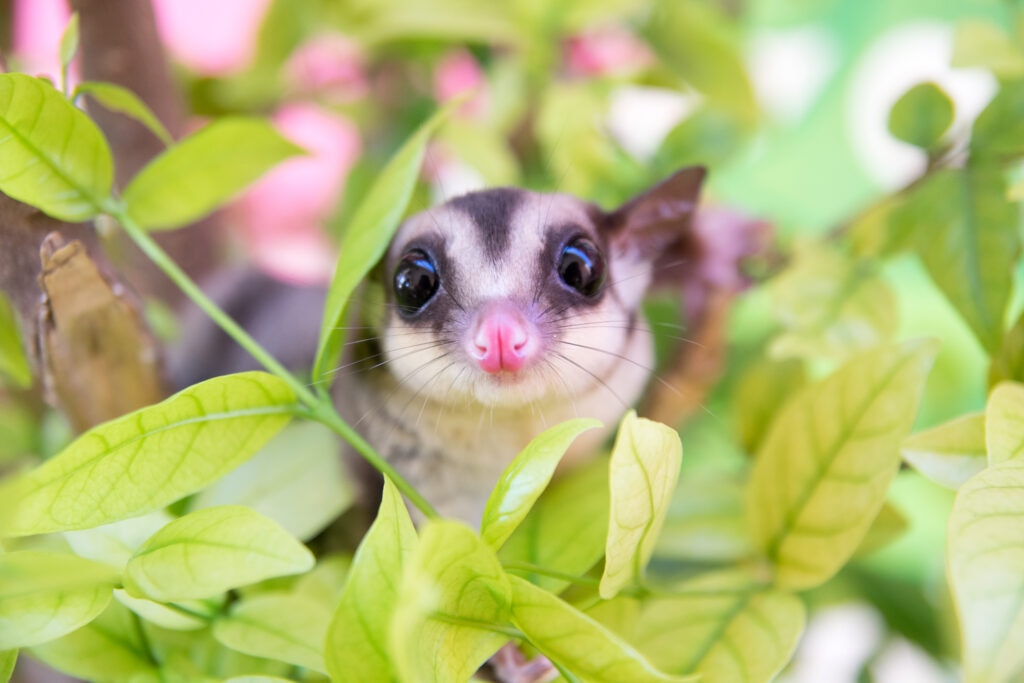
vinaithong/iStock/Getty Images Plus via Getty Images
Sugar gliders typically live 10–15 years in captivity, making them a long-term commitment for pet parents. Their lifespan depends on several factors, including diet, housing, socialization, genetics, and access to regular exotic veterinary care.
If you’re considering adopting a sugar glider—or already share your home with one—understanding how long these small marsupials live can help you provide the care they need throughout every stage of life. Here’s what to know about the average sugar glider lifespan and the factors that can influence it.
Key Takeaways
- Sugar gliders are a long-term commitment: With proper husbandry and veterinary care, the average sugar glider lives 12–15 years, with some reported to live nearly 18 years.
- Daily care directly affects lifespan: Longevity depends heavily on consistent enrichment, clean housing, and a well-balanced omnivore diet.
- They thrive with social and medical support: Sugar gliders do best with at least one companion, regular interaction, and routine vet checkups (often every 6–12 months).
How Long Do Sugar Gliders Live?
The average sugar glider will live 12-15 years with proper husbandry (care) and veterinary care.
The oldest reported sugar glider lived to almost 18 years old.
They rarely live this long in the wild, mostly due to natural predation. Wild sugar gliders may only live up to 9 years, evading their main predators such as owls, kookaburras, snakes, and feral cats. In captivity, sugar gliders do not have predators, nor do they need to hunt or forage for food.
Sugar gliders are sexually dimorphic, which means males look different from females. Both will mature by around a year, acquiring a size no larger than the palm of your hand. Males are larger, weigh more than females, and have two scent glands that sometimes resemble bald spots.
Sugar gliders are marsupials, like kangaroos and koalas. They have pouches, just like their distant cousins, and follow similar stages of maturity:
-
Females may have 1-2 litters yearly, with up to 2 babies each time.
-
Female sugar gliders are pregnant for only two weeks, after which their underdeveloped babies are “born” and migrate to the mother’s pouch.
-
They remain in the pouch for another 2 to 2.5 months and will spend the next few months with their mother before completely weaning and starting to live independently.
What Makes Some Sugar Gliders Live Longer Than Others?
Genes certainly play a role in sugar glider longevity; some lines may naturally out-live others. Sugar gliders, like all mammals, can also succumb to diseases like cancer.
However, most issues with captive sugar gliders involve poor diet, dirty living conditions, unsafe habitat, and lack of veterinary care.
Luckily, with a little knowledge, a partnership with an exotic vet, and a lot of commitment, we can help our furry friends live as long as possible.
Common sugar glider diseases and conditions include:
-
Malnutrition
-
Metabolic bone disease: usually secondary to poor diet and calcium dysregulation
-
Obesity
-
Parasites: intestinal and skin
-
Hair loss: sometimes secondary to self-mutilation
-
Infection: particularly a newer disease called “Ick”
-
Respiratory conditions
-
Dental issues
-
Cancer
The best way to facilitate a long life for your sugar glider is to provide an appropriate variated diet of protein, vegetables, and fruits, a large species-specific and safe habitat, and yearly veterinary appointments, at a minimum.
How to Improve Your Sugar Glider’s Lifespan
Sugar glider pet parents can improve their glider’s life—and life expectancy—by thoroughly researching the species before bringing one home.
Contact an exotic veterinarian familiar with sugar gliders to discuss examinations, diet recommendations, supplements, and habitat.
Always check with your veterinarian first, but most recommend the following for happy and healthy sugar gliders:
-
Gliders are highly social animals and live in family groups in the wild. They do best with at least one other companion.
-
Encourage at least one to two hours outside the cage for human interaction per day to help create a bond with your sugar glider.
-
Daily rotation of healthy vegetables and protein sources such as gut-loaded insects (such as Mazuri Better Bug Gut Loading Feeder Insect Supplement) in addition to veterinarian-approved homemade diet or sugar glider pellets.
-
Create a large, safe habitat with multiple hide boxes and branches, and toys to climb, chew, or investigate.
-
Check your sugar glider daily for any sources of infection, swellings, or other abnormalities.
-
Spot-clean the cage daily to remove waste products and old food.
-
Deep clean the cage every two to four weeks with a pet-safe cleaner.
-
Provide multiple water dishes and bottles to encourage hydration.
-
Don’t let your glider get chilly—they do best in 75-90 F temperatures.
-
Never allow your sugar glider to roam your house unsupervised. When they are out of their cage, make sure they don’t have access to electrical cords, toxins, or other unsafe items.
-
Veterinary examinations are recommended every six to 12 months with possible blood and/or fecal testing


