LCMV Symptoms in Hamsters: Everything Pet Parents Should Know About Lymphocytic Choriomeningitis Virus

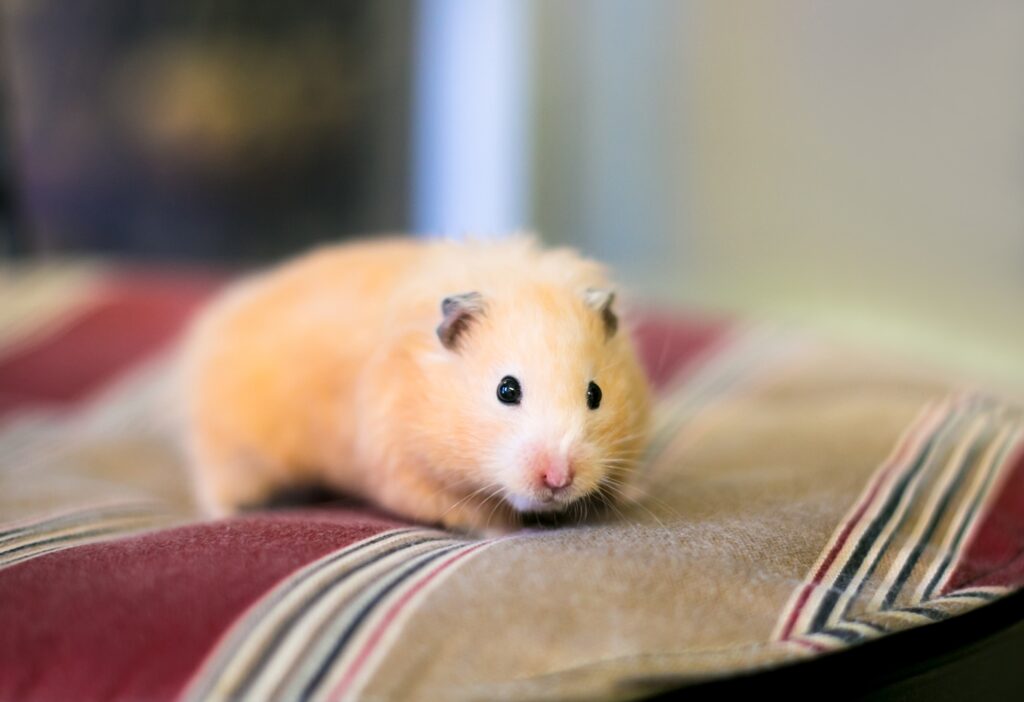
Mary Swift/iStock/Getty Images Plus via Getty Images
Lymphocytic choriomeningitis virus (LCMV) is a rare but important disease that can affect hamsters and pose risks to humans.
Understanding LCMV symptoms in hamsters can help pet parents recognize potential issues early and take appropriate action.
Key Takeaways
- LCMV is a rare viral infection hamsters can carry—even without showing symptoms—and it can spread to humans through saliva, urine, or droppings.
- Possible LCMV symptoms in hamsters include lethargy, weight loss, appetite loss, eye inflammation, and a rough coat, though many infected hamsters appear healthy.
- Preventing LCMV starts with good hygiene, regular habitat cleaning, avoiding wild rodent exposure, and purchasing hamsters from reputable sources.
What Is LCMV in Hamsters?
Lymphocytic choriomeningitis virus (LCMV) is a viral infection carried primarily by rodents, including hamsters. Many infected hamsters may appear healthy, but the virus can still be present in their bodies and shed through urine, saliva, or droppings.
When LCMV affects a hamster, the virus targets the immune system and can cause inflammation in tissues, including the brain and surrounding membranes. In some cases, the infection remains mild or asymptomatic. However, in more severe cases, it can lead to noticeable illness.
LCMV is not always a medical emergency for the hamster themself, but it becomes more serious if symptoms develop or if there is a risk of transmission to humans—especially pregnant individuals or those with a weakened immune system.
Symptoms of LCMV in Hamsters
Many hamsters with LCMV show no symptoms. When signs do appear, they may include:
-
Lethargy or decreased activity
-
Loss of appetite
-
Weight loss
-
Rough or unkempt coat
-
Eye discharge or inflammation
-
Hunched posture
-
Difficulty breathing (in rare cases)
Because these symptoms are nonspecific, they can be mistaken for other illnesses. Any concerning changes in your pet’s health should be evaluated by a veterinarian.
Causes of LCMV in Hamsters
LCMV is caused by infection with the lymphocytic choriomeningitis virus. Hamsters typically become infected through:
-
Contact with infected rodents (especially wild mice)
-
Exposure to contaminated bedding, food, or water
-
Transmission from breeding facilities where the virus is present
Hamsters from large breeding operations or pet stores may have a higher risk if proper screening is not in place. There are no known breed, sex, or age predispositions, but young or stressed hamsters may be more vulnerable to illness.
How Veterinarians Diagnose LCMV in Hamsters
Diagnosing LCMV in hamsters can be challenging, especially if no symptoms are present. Veterinarians may use the following approaches:
-
Physical exam: Evaluates overall health and looks for signs of illness
-
History review: Includes questions about recent purchases, exposure to other rodents, and environmental conditions
-
Laboratory testing: Blood tests or tissue samples may be used to detect the virus
-
Specialized testing: PCR (polymerase chain reaction) tests can confirm the presence of viral genetic material
Before your visit, be prepared to share details about your hamster’s behavior, appetite, and any recent changes. Let your veterinarian know if your hamster was recently purchased or exposed to other rodents.
Treatment of LCMV in Hamsters
There is no specific antiviral treatment for LCMV in hamsters. Care is focused on supportive management and preventing spread.
Treatment may include:
-
Supportive care, such as fluids and nutritional support such as Oxbow Critical Care Omnivore Small-Pet Supplement
-
Maintaining a clean, stress-free environment
-
Isolation from other pets to prevent transmission
In some cases, depending on the severity of the illness and human health risk, humane euthanasia may be discussed.
This is often for safety of other pets and for safety of humans in the home, especially those with compromised immune systems.
Recovery and Management of LCMV in Hamsters
If a hamster shows mild symptoms, supportive care may help them remain comfortable, but the virus often persists. Many hamsters remain lifelong carriers even if they appear to recover.
Management focuses on:
-
Strict hygiene practices when handling your hamster or cleaning their enclosure
-
Regular cage cleaning and disinfecting
-
Avoiding contact with other rodents
Helpful supplies include secure enclosures, disposable gloves for cleaning, and high-quality bedding to maintain a sanitary habitat.
Prevention of LCMV in Hamsters
Preventing LCMV starts with minimizing exposure to the virus:
-
Purchase your hamster from a reputable breeder or source with health screening protocols
-
Avoid contact between your pet hamster and wild rodents
-
Wash your hands thoroughly after handling your hamster or their cage
-
Keep your hamster’s environment clean and well-maintained
-
Do not kiss or hold hamsters close to your face
These steps help protect both your pet and your household.
LCMV in Hamsters FAQs
How do I know if my hamster has LCMV?
It can be difficult to tell if a hamster has LCMV because many show no symptoms. If your hamster develops signs like lethargy, weight loss, or eye discharge—or if you’re concerned about possible exposure—contact a veterinarian promptly for guidance.
This article was created with assistance from AI tools. The content has been reviewed for accuracy and edited by a human.


