Sugar Gliders: A Pet Parent’s Guide to Habitats, Food, and Care


Irin Somsuppamongkol/iStock/Getty Images Plus via Getty Images
Sugar gliders are small, social, tree-loving marsupials. With proper care, they can live long, healthy lives, so it’s important for pet parents to understand their housing, dietary, and enrichment needs to support a full sugar glider lifespan.
Key Takeaways
- Sugar gliders are highly social, nocturnal marsupials that must be housed with at least one other glider and require daily interaction to stay healthy.
- They need a large, secure enclosure, a balanced omnivorous diet, and consistent enrichment to prevent stress and self-harm.
- With proper care and regular exotic veterinary visits, sugar gliders can live 12–14 years, making them a long-term commitment.
What Is a Sugar Glider?
Sugar gliders (Petaurus breviceps) are nocturnal marsupials native to the forests of New Guinea and Australia. There are at least seven recognized subspecies.
In the wild, sugar gliders are highly social and typically live in colonies of six to 10.
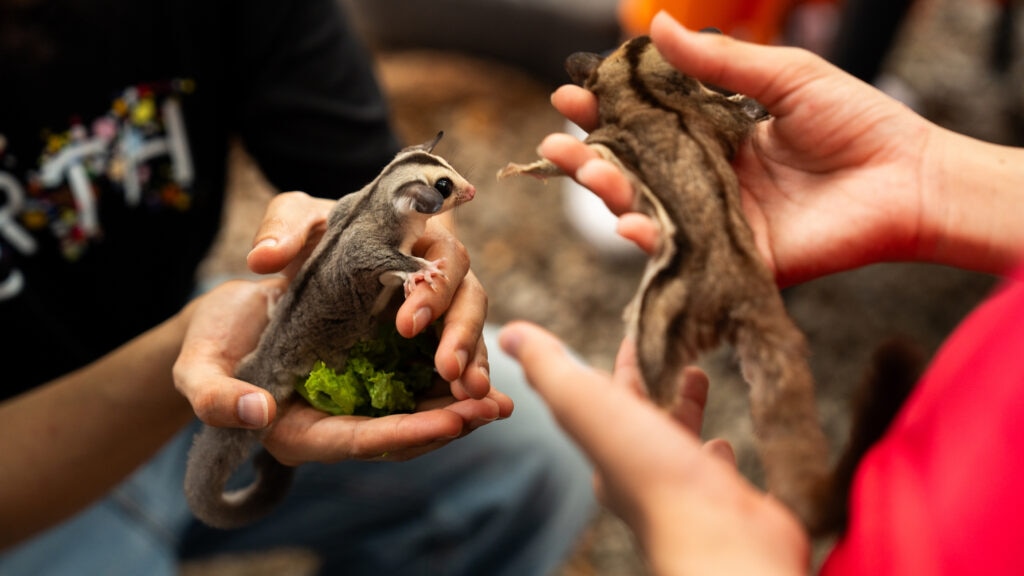
Sugar gliders get their name from the patagium, a gliding membrane that stretches from the front feet to the hind legs, allowing them to glide distances of up to 50 meters between trees.
In the wild, sugar gliders typically live around 4–5 years, though some may reach up to 9 years. In captivity, with proper care, they can live 12–14 years.
Sugar gliders can make great pets when they receive daily socialization (ideally at least two hours each evening), an appropriate diet, and a proper enclosure.
However, they’re not considered a beginner pet. Sugar gliders have specialized needs and require a lot of daily time and care from their human companions.
They are also very social animals and must be housed with at least one other sugar glider. When kept alone, they can become severely stressed and depressed, which may lead to self-harm.
Sugar glider ownership is legal in many U.S. states, but some—including California, Alaska, and Hawaii—prohibit ownership.
Always check local and state laws before acquiring a sugar glider.
With proper care, attention, and companionship, sugar gliders can be playful, intelligent, and deeply rewarding pets.
Supplies You’ll Need for Your Sugar Gliders
Creating the right environment is essential to keeping sugar gliders healthy, active, safe, and mentally stimulated.
A proper setup includes:
-
A secure enclosure
-
Heat supplementation
-
Nest boxes
-
Fresh food and water
-
Nontoxic tree branches for climbing
-
Bedding
-
Toys
-
Pet-safe cleaning supplies
Enclosures
Sugar glider habitats should be as large as possible.
For a pair of sugar gliders, a minimum enclosure size of 24 inches x 24 inches x 48 inches is recommended. The sides should be wire, with spacing no wider than ½–1 inch to prevent escapes, especially by juveniles.
Wire cages with a pull-out tray underneath can make cleaning easier. Doors should have secure latches, as sugar gliders are skilled escape artists.
Nest boxes or sleep pouches should be placed high in the enclosure, while food and water dishes/sippers should be positioned away from tree branches to reduce waste contamination.
Multi-level metal cages or aviaries are great options for sugar gliders.
Food and Water
Sugar gliders are insectivorous omnivores (meaning they eat insects as well as plant-based foods). In the wild, they consume nectar, pollen, sap, honeydew, acacia gum, and a wide variety of insects.
Their diet should be nutritionally balanced. Many caretakers feed a commercial sugar glider pellet as the foundation of the diet (about 70–75%), supplemented with:
-
15–20% finely chopped fruits and vegetables
Suitable fruits and vegetables include:
-
Mango
-
Banana
-
Apple
-
Carrots
-
Bell peppers
-
Broccoli
Nectars and yogurt drops can also be given occasionally as treats.
If you’re considering a homemade diet or want to confirm that your current feeding plan is balanced, consult an exotic pet veterinarian.
Fresh water should always be available in clean water bottles.
Bottles should be washed daily—especially the spout—to prevent bacterial growth. Having one to two bottles per enclosure, plus spares, makes daily cleaning easier because you can switch out old bottles with spares, giving you time to deep-clean them.
Enrichment and Out-of-Cage Time
Daily mental stimulation for your sugar glider is essential to prevent boredom, stress, and depression, which these intelligent pets can be prone to.
Inside the enclosure, provide climbing branches (such as apple or citrus branches), perches, and shelves at different levels of the cage. Sugar gliders also enjoy playing with swings, toys, and even wheels for exercise.
A secure nest box or sleeping pouch should be available during the day so they can sleep and hide high in the enclosure. Fabric pouches or wooden nest boxes lined with bedding work well. Nesting areas should be cleaned weekly, and fabric pouches should be laundered regularly.
Sugar gliders also need supervised out-of-cage play time in the evening.
Before letting them out, remove hazards such as open toilets, exposed electrical cords, hot light bulbs, curtains, and window blinds, as these can cause serious injuries.
Bedding
For the cage bottom, use safe, absorbent materials such as shredded paper towels, recycled newspaper pellets, or commercial paper bedding.
Carrier
A secure, well-ventilated carrier is necessary for travel and veterinary visits.
Both hard-sided and soft-sided carriers designed for exotic small mammals are suitable. To transfer your sugar glider safely into the carrier, gently guide them into a pouch and place the pouch inside the carrier.
Bonding Pouch
Bonding pouches are a valuable tool for socialization.
They allow your sugar glider to rest against you during the day and become accustomed to your scent and presence, helping build trust and strengthen your bond.
The best bonding pouches are made of soft fleece, provide good airflow, and have secure closures.
Sugar Glider Care
Daily enrichment, a clean environment, proper nutrition, and regular veterinary care all play a role in helping sugar gliders live long, happy lives.
Cleaning
Food and water dishes should be cleaned daily with dish soap and water. Spot-clean the enclosure each day by removing feces, urine-soaked bedding, and uneaten food.
Once a week, fully clean the enclosure using a nontoxic cleaner (like Nature's Miracle Small Animal Cage Cleaner Spray) while your sugar gliders are out of the cage.
Rinse and dry everything thoroughly before replacing bedding and returning them to the enclosure.
Veterinary Care
Sugar gliders can develop a variety of health issues over their lifetime, including blindness, diarrhea, malnutrition, pneumonia, stress-related illness, and trauma.
Annual or biannual veterinary exams with an exotic pet-experienced veterinarian are recommended. During these visits, your veterinarian will assess weight, dental health, body condition, overall behavior, diet, and environment. Diagnostic tests such as bloodwork, X-rays, or ultrasound may be recommended if a medical concern arises.
How To Hold Your Sugar Gliders
Sugar gliders bond well with humans and enjoy spending time being held once bonded. Handle them in the evening when they’re awake and always support their entire body by cupping them in your hand. They may also enjoy sitting on your shoulder or resting in a bonding pouch.
Avoid picking them up if they are asleep or seem frightened, as startled sugar gliders may bite.
Sugar Glider FAQs
Do sugar gliders make good pets?
Sugar gliders are intelligent, social, and affectionate animals. They can be excellent pets for caregivers willing to meet their specialized social and dietary needs, but they’re not ideal for first-time exotic pet parents.
How much do sugar gliders cost?
Initial costs can range from several hundred to several thousand dollars when factoring in the enclosure, diet, and supplies. Ongoing costs include diet and veterinary care.
Are sugar gliders legal in the US?
They are legal in many states, but restrictions apply in some areas. Always check local laws and state laws before acquiring one.
What is the lifespan of a sugar glider?
With proper care, sugar gliders can live 12–14 years, making them a long-term commitment.


