When Should You Switch From Puppy to Adult Dog Food?


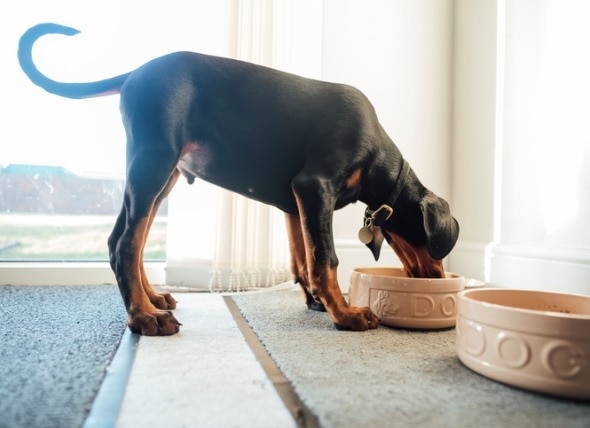
Most puppies should switch to adult dog food when they reach about 80% of their expected adult size. This typically happens around 9–12 months for small breeds, 12–14 months for medium breeds, and 14–24 months for large breeds.
But age and size aren’t the only factors to consider. Your puppy’s breed, growth rate, activity level, and whether they’ve been spayed or neutered can all affect when they’re ready for adult food. Ahead, learn when to switch your puppy to adult dog food, how to choose the right formula, and how to make the transition safely.
Key Takeaways
- Switch puppies to adult food at about 80% of their adult size —usually between 9 and 24 months, depending on breed size.
- Puppy food supports growth with higher levels of calories, protein, fat, calcium, and phosphorus, while adult food helps maintain a healthy weight and body condition.
- Breed size, activity, and spay/neuter status affect timing.
- Transition gradually over about five days to prevent stomach upset, and contact your vet if vomiting, diarrhea, or loss of appetite occurs.
What’s the Difference Between Puppy and Adult Dog Food?
Puppy and adult dog foods are formulated for different life stages. Puppy food supports growth and development, while adult dog food is designed to maintain a dog’s health and body condition once growth is complete.
Compared with adult food, puppy food generally contains more calories and higher minimum levels of protein, fat, calcium, and phosphorus. These nutrients provide energy, support developing muscles and tissues, and promote healthy bone growth. Puppy formulas may also contain higher levels of omega-3 fatty acids, such as DHA, to support brain and eye development.
Adult dog food typically has fewer calories and different nutrient levels because fully grown dogs no longer need a diet designed to fuel rapid development. Feeding an adult formula at the appropriate time can help dogs maintain a healthy weight while still meeting their nutritional needs.
When To Switch to Adult Dog Food
Puppies will be ready for adult food when they reach about 80% of their adult size. But aside from breed size, you also need to consider whether they are spayed or neutered or if they are a highly active dog who needs more calories.
Breed Size
Because of their faster growth rate, smaller breeds such as Chihuahuas, Yorkshire Terriers, and Pugs reach adult size sooner than larger breeds such as Golden Retrievers, German Shepherds, and Dalmatians.
The guidelines below will help you to determine when to start feeding adult dog food:
Small breeds (under 25 pounds when fully grown) reach adult size at 10–12 months of age. These breeds will be ready for adult dog food at 9–10 months of age.
Medium-sized breeds such as English Springer Spaniels, Australian Shepherds, and Border Collies are 25–50 pounds when fully grown, and they reach adult size at 12–15 months of age. With growth rates between those of small breeds and large breeds, medium-sized dogs will be ready for adult dog food around 12–14 months of age.
Large breeds are over 50 pounds when fully grown. There are many large-breed dogs, from the Boxer to the Great Dane, so the point at which these breeds reach mature size and weight can vary between 15 and 24 months of age.
With the wide range of breeds under this category and a generally slower rate of growth, large-breed dogs will need to stay on large-breed puppy food until they are 14–24 months old to ensure they have enough protein and other nutrients during this stage. They also need to get those nutrients in the proper ratio to support the growth and proper development of their larger skeletons. Feeding large-breed puppy food helps decrease your puppy’s risk of serious developmental bone and joint diseases.
Activity Level
Athletic dogs may benefit from staying on puppy formulas longer, as the extra protein supports lean muscle growth and function, and the extra fat and higher caloric density can allow energy for high-intensity activities.
Spaying or Neutering
If your puppy has been spayed or neutered before they reach 80% of their mature size, their calorie requirement will drop noticeably following surgery, sometimes by up to 30%. This doesn’t mean you simply reduce your puppy’s calories by 30%. Rather, it is important to speak with your veterinarian about the right puppy diet that is specifically tailored for the neutered puppy life stage.
Because puppy foods contain a higher calorie density, feeding the correct amount during the remaining months of puppyhood is very important to prevent obesity as the puppy matures into an adult. Your vet will be able to advise you on how to monitor your dog’s body condition and adjust their daily calories as needed.
Switching Too Early or Too Late
The timing of switching your puppy to adult dog food is important because there can be negative consequences from both switching too late and switching too early.
Dogs that are left on puppy food for too long into adulthood may be more predisposed to obesity, joint issues, and associated health problems later in life, given the fact that puppy formulas have more fat and calories per cup than adult dog formulas.
The extra protein and calories in puppy foods can also increase the rate of growth in certain dog breeds if they are not fed a breed-specific puppy food formula.
Similarly, if your puppy is taken off a puppy formula too early, they may suffer from nutritional deficiencies and growth abnormalities, failing to reach adult size around the expected time and increasing their risk of future bone, joint, brain, and eye issues.
How To Pick the Right Adult Dog Food
When it is time for your puppy to transition to adult dog food, there are a few things to consider that can help you choose the right one. Brand, food type, nutritional needs, and activity level all factor into picking the best dog food. Your vet is a great resource to help you find the right fit based on your dog's needs.
Choosing a Brand
Not all dog food companies are equal in terms of quality. The best first step is to identify manufacturers whose guidelines meet AAFCO standards for complete and balanced nutrition, such as JustFoodForDogs, Hill’s, Purina, Iams, Royal Canin, or Eukanuba.
Dry Food vs. Wet Food
The next step is to decide whether you would like to feed your dog dry food, wet food, or a mixture of the two. Both types of food have positive and negative aspects, and the choice to use one, the other, or both depends on the specific needs of your dog.
For example, wet food:
- Has a higher moisture content and promotes hydration
- Has a lower calorie density per volume, allowing dogs to feel fuller on fewer calories which helps control their weight
- Is often more appetizing to dogs than dry food, so it may be a great option for picky eaters or for stimulating the appetite of dogs that are less interested in food
- Can be beneficial for dogs with oral abnormalities or dental disease, as it is easier for them to chew
- Can be spread over lick mats for engagement, enrichment, and slower feeding purposes
By contrast, dry food:
- Can be a more economical option than wet food
- Offers easy portion control and can be left out throughout the day for dogs who like to graze
- Is beneficial for dental health, as the kibbles of certain formulas of oral health diets act as an abrasive against the teeth during chewing and help prevent plaque and tartar buildup
- Can be easily used as a tool in puzzle toys for enrichment and mental stimulation
Nutritional Requirements
The final step in selecting the best adult dog food is to examine the Guaranteed Analysis panel on the bag or can of food. Look for the AAFCO nutritional adequacy statement. This statement lets you know that the formula is complete and balanced, and what life stage it’s meant for.
Puppy food packaging should say that the food has been formulated to meet the nutritional levels established by the AAFCO Dog Food Nutrient Profiles for growth, while food intended for adult dogs will say it meets the levels established for maintenance. Some diets are formulated to meet the needs of all life stages, which means the food meets the needs of both growing and adult animals.
Level of Activity
What you decide to feed your young dog will depend on their activity level and whether they are spayed/neutered.
Most dogs can be fed an adult dog food diet with serving sizes as described on the packaging. Some less-active pets can even be fed 15%–20% less than the amount recommended on the dog food label to avoid weight gain.
Working dogs and dogs that engage in agility training or endurance activities may require more calories and more fat (up to 10%–20%) in their adult dog formulas. They can also make do with less fiber (around 5%) in their food.
Remember that dog treats and other sources of calories in the diet need to be included when determining the appropriate amount of food for your young adult dog. Keep in mind that >90% of your dog’s diet must come from a complete and balanced food, with less than 10% from treats.
How To Switch Your Puppy to Adult Dog Food
Once you have selected the best adult dog food for your puppy, you are ready to transition them slowly onto their new diet.
Because rapid diet changes can cause gastrointestinal upset in dogs, such as vomiting and diarrhea, it is recommended to introduce the new food slowly over a period of five days or so. Continue to feed your puppy as many times per day as they are used to throughout this process. The feeding schedule might look something like this:
- Day 1: Mix some adult food with the puppy food at a ratio of 1:4, or 20% adult food and 80% puppy food.
- Day 2: Increase the amount of adult food so your puppy is getting 40% adult food and 60% puppy food.
- Day 3: Increase the amount of adult food again to 60% adult food, and decrease the amount of puppy food to 40%.
- Day 4: Feed 80% adult food and 20% puppy food.
- Day 5: Feed 100% adult food.
If your puppy develops vomiting, diarrhea, or lack of appetite, stop feeding the adult dog food and see your veterinarian.
How Often To Feed Your Dog
- For large-breed dogs, it may be best for them to continue to eat three times per day.
- For medium-breed dogs, they should continue to be fed twice daily when they have been transitioned to adult dog food.
- For small-breed dogs, you may consider transitioning them to eating twice daily instead of three times per day after they are fully on adult dog food.
This may involve providing more attention and playtime for your dog as they become accustomed to fewer feedings per day. Consider extra walks, extra playtime, or brushing to distract them from feelings of hunger.
Some dogs may benefit from high-fiber adult dog food to increase feelings of fullness between meals. Your dog may also enjoy cleaned, raw fruits and vegetables, such as sliced carrots, cucumbers, or apples without the core or seeds.
If you have any questions about transitioning your puppy to adult dog food, contact your veterinarian. In addition, a board-certified veterinary nutritionist can be a great resource for any issues that come up, and they can help develop the best diet and feeding schedule for your new family member.
Puppy to Adult Dog Food Transition FAQs
What are the signs my puppy is ready for adult food?
Your puppy may be ready for adult food when their growth begins to slow and they’ve reached about 80% of their expected adult size. Because the timing varies by breed and size, your veterinarian can help you determine when your puppy has reached physical maturity.
Can a 4-month-old puppy eat adult dog food?
No. A 4-month-old puppy should not eat adult maintenance food as their primary diet. Puppies this age are still growing rapidly and need a complete and balanced puppy food—or an all-life-stages food appropriate for their expected adult size—to meet their nutritional needs. Eating a small amount of adult food occasionally is unlikely to cause harm.
What happens if you switch from puppy food too early?
Switching too early may prevent a puppy from getting enough calories, protein, fat, and other nutrients needed for healthy growth, putting your puppy at risk of nutritional deficiencies or problems with muscle and bone development, particularly in large- and giant-breed puppies.


