Can Dogs Eat Gingerbread?



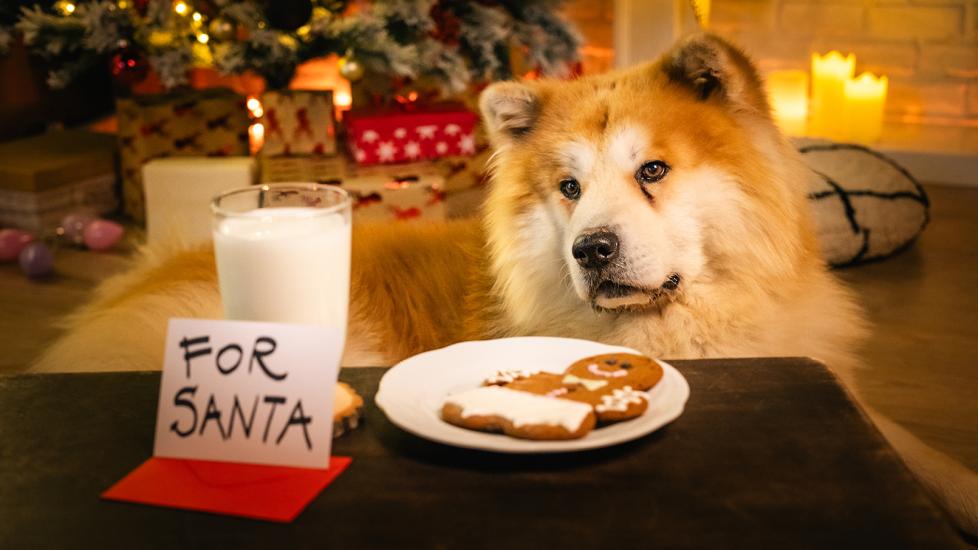
Black Lollipop/iStock/Getty Images Plus via Getty Images
Since gingerbread is so tasty, it’s understandable that pet parents might want to share the joy with their pups, especially as the holiday baking season rolls around. But can dogs eat gingerbread safely?
When it comes to your standard holiday gingerbread recipes—especially ones that contain nutmeg—the answer is no, gingerbread is not OK for dogs.
Fortunately, there are plenty of dog-friendly, gingerbread-inspired treats that let your pup enjoy a little taste of holiday cheer.
Key Takeaways
- Dogs should not eat gingerbread—it often contains toxic or unsafe ingredients like nutmeg, butter, sugar, or raisins.
- Symptoms of ingestion can include vomiting, diarrhea, trembling, lethargy, or seizures.
- Contact your vet, Chewy's Connect with a Vet, or Pet Poison Helpline (855-764-7661) if your dog eats gingerbread.
- Gingerbread inspired dog treats can be made with dog-safe ingredients such as flour, cinnamon, or molasses.
Can Dogs Have Gingerbread?
No, dogs should not eat gingerbread. Many recipes include sugar, raisins, nutmeg, and other spices that can cause stomach upset or be toxic to dogs. High-fat foods, like the butter in gingerbread, also put dogs at risk for pancreatitis.
If you do want to share a holiday treat, look for dog-specific gingerbread treats, like Portland Pet Food Company Gingerbread Biscuits Grain-Free & Gluten-Free Dog Treats and Greenies Regular Gingerbread Flavor Dental Dog Treats.
These are made with safe, simple ingredients especially for dogs.
Can Dogs Eat Gingerbread Cookies?
No. Unfortunately, gingerbread cookies contain the same unsafe ingredients as gingerbread—and sometimes even more sugar, fat, and decoration.
Even one cookie can cause:
-
Vomiting
-
Diarrhea
-
Lethargy
-
Abdominal discomfort
Cookies containing a higher amount of nutmeg or any raisins pose an even higher risk and may require immediate veterinary care.
Can Dogs Eat Ginger Snaps?
No, dogs should not eat ginger snaps. While plain ginger can be safe in small amounts, ginger snap cookies usually contain sugar, spices, or other ingredients that can be harmful to dogs.
If you want to treat your dog this holiday season, stick to ginger-inspired dog-safe cookies instead, like The Lazy Dog Cookie Co. Limited Ingredient Ginger Glazed Pumpkin Carrot Crunchy Baked Dog Treats or Dog Mamma's Organic Pumpkin Snaps Dog Treats.
Why Is Gingerbread Bad for Dogs?
Ginger itself isn’t the issue—it’s everything else in gingerbread that makes it unsafe.
These harmful ingredients can make dogs sick:
-
Nutmeg and other spices. Nutmeg is the biggest risk for pups who get into gingerbread. Nutmeg contains a compound called myristicin, which can cause vomiting, diarrhea, abnormal heart rhythms, hallucinations, and seizures in dogs, and it can even be fatal. Large amounts of cloves and allspice can also be dangerous because they contain eugenol, which can lead to vomiting and diarrhea.
-
Sugar. The sugar in gingerbread, icing, and candy decorations isn’t toxic, but it can contribute to weight gain, dental disease, and worsen diabetes if your dog eats too much.
-
Butter. While not toxic, butter and other fatty ingredients in gingerbread can cause vomiting, diarrhea, and more serious issues like pancreatitis.
What To Do if Your Dog Eats Gingerbread
If your dog sneaks gingerbread, don't panic—but do act quickly.
If your dog does get into some gingerbread, the risk of harm depends on the amount that’s eaten. For instance, a large dog (like a Great Dane) who eats one small gingerbread cookie might be fine, while a much smaller dog (like a Chihuahua) who eats more could get quite sick.
If your dog has eaten gingerbread, watch for any of the following symptoms:
-
Vomiting
-
Diarrhea
-
Abdominal pain
-
Trembling
-
Changes in behavior
Call your vet, Connect with a Vet, or Pet Poison Helpline (855-764-7661) if your dog starts showing any of these signs or has eaten a large amount of gingerbread or gingerbread cookies. The vet will advise whether it’s a medical emergency that requires immediate attention.
If you do have to bring your dog in, your vet may:
-
Induce vomiting (if the gingerbread was eaten recently)
-
Give activated charcoal to limit toxin absorption
-
Provide supportive care such as IV fluids, anti-nausea medication, or monitoring for abnormal heart rhythms
Don’t try to induce vomiting or give your dog activated charcoal at home unless your vet recommends it.
What To Feed Your Dog Instead of Gingerbread
While gingerbread is a no-go for dogs, there are plenty of other store-bought treats and homemade sweet snacks they can enjoy safely.
Homemade Holiday Dog Treats
There are tons of DIY dog holiday recipes inspired by classic cookies, but without the harmful ingredients. The next time you’re in the mood for a homemade holiday cookie or a sweet treat to share with your canine companion, try one of these:
These avoid toxic ingredients while still feeling festive.
Store-Bought Holiday Dog Treats
No time to make your own?
There are plenty of dog-friendly gingerbread (or gingerbread-esque!) cookies that are festive and safe to share with your pooch, like Milk-Bone Dipped Gingerbread Dog Treats and Bocce's Bakery Milk n Cookies Peanut Butter & Vanilla Limited Ingredient Soft & Chewy Dog Treats.
Just remember that moderation is key. Talk to your vet about any concerns with your dog’s diet or whether they can eat certain foods safely. A vet will be able to offer personalized recommendations based on your pup’s health, age, weight, and history.
Can Dogs Eat Gingerbread FAQs
Can dogs eat gingerbread houses?
No. Gingerbread houses often include nutmeg-heavy dough, icing, candy, chocolate, or sugary decorations—all unsafe for dogs.
Can dogs eat ginger?
Yes, plain ginger in small amounts is generally safe for dogs and may even help with nausea or digestion. However, this is not the same as gingerbread or ginger snaps, which usually contain ingredients that are harmful to dogs.