Do Dogs Know If You’re Giving Them a Gift?


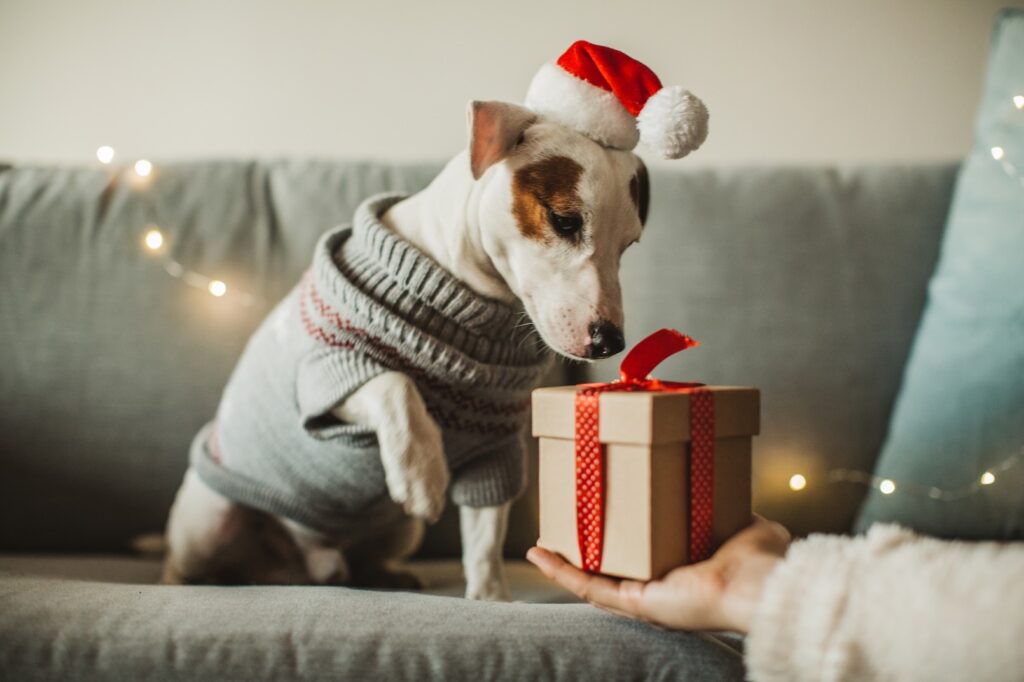
When you’re handing out presents, you don’t want your dog to feel left out. But do dogs really understand the concept of gifts?
The truth is that while dogs don’t understand gift-giving like we do, the right gifts can still make a real difference in your dog’s life.
Key Takeaways
- Dogs don’t understand the concept of gift-giving, but they can enjoy the excitement that comes with a new present.
- The best gifts for dogs provide mental stimulation, encourage play, or improve their comfort.
- Puzzle toys, slow feeders, and chew toys can help prevent boredom.
- Gifts like balls and Frisbees encourage exercise.
- Choose gifts based on your dog’s size, personality, and activity level.
Do Dogs Know When You Give Them a Gift?
Dogs don’t grasp the concept of birthdays, holidays, and gifts, but they certainly can enjoy the extra attention and fun associated with them. Your dog’s joyful face and wagging tail make that abundantly clear when you give them something they are excited about.
Also, there is some evidence that dogs have an understanding of unequal treatment. In one study, dogs were less willing to continue giving researchers their paw when they weren’t getting a treat but another dog performing the same task was being rewarded.
On the other hand, the dogs didn’t seem to care if the other dog received a higher-value treat (sausage) than their treat (bread)—they both just needed to get something.
What does this mean? If everybody else in the family is getting a gift, it sure wouldn’t hurt to include your dogs. Thankfully, they don’t care how much you spend on them. Something small can make them very happy.
Why It’s Important to Give Your Dog Gifts
The best presents are the ones that improve your dog’s quality of life, especially if they address two of the most common problems dogs face: boredom and a lack of exercise.
Many dogs spend long periods of time at home without much to do. Providing them with toys and puzzles is a great way to keep their minds and bodies occupied when you’re not around.
Giving dogs something to do may also prevent excessive barking, destructive chewing, and digging that can result from boredom. Rotate through toys and puzzles and add new ones every so often to keep things fresh.
Gifts that encourage you and your dog to spend time together can also strengthen your bond. Training sessions, playtime, and even naps are better with the right gear.
Popular Gifts for Dogs
The best gifts depend on your dog’s personality, size, and energy level. Here are some vet-approved options to consider.
Puzzle Toys and Slow Feeders
Puzzle toys and slow feeders make great presents for food-motivated dogs and fast eaters. They slow down mealtime and give your dog’s brain a workout. You can either fill them with part of your dog’s regular meal or some tasty treats.
-
Lick mats work well with wet food or spreadable treats. They can even be frozen to extend the time your dog is entertained.
-
Slow-feeder bowls are good for dogs who eat their meals too rapidly.
-
A treat-dispensing toy that wobbles and rolls rewards dogs who like to push things around.
-
More advanced puzzles make dogs move obstacles out of the way before they get their reward.
Treats
Treats aren’t just a simple way to spoil your dog; they can also be useful for training and filling up puzzle toys. However, calories from treats should never make up more than 10% of your dog’s total daily intake.
-
Your dog can eat lots of small training treats before the extra calories become much of a concern.
-
Some treats can also help support your dog’s dental health.
Chew Toys
Toys that satisfy a dog’s natural urge to chew can provide hours of entertainment while also keeping your household items safe from curious mouths. Always match toys to your dog’s chewing style and replace them when they are broken or small enough to fit completely inside your dog’s mouth.
-
Durable rubber toys are great for heavy chewers. To avoid broken teeth, don’t buy anything that is so hard that you can’t press your fingernail into it.
-
Squeaky toys can be a great choice for smaller dogs and less-aggressive chewers.
-
Lots of dogs love to gnaw on edible, long-lasting chews.
Frisbees and Balls
Throwing Frisbees or balls for your dog is a great way to spend time together and get some much-needed exercise. But don’t overdo it if it’s hot outside or if your dog is very young or has health problems.
-
In comparison to a plastic Frisbee, a soft flying disc is more comfortable to catch and gentler on teeth and gums.
-
Try a tough rubber ball if your dog quickly destroys ordinary balls. Choose one that is large enough so it can’t get lodged in the back of your dog’s mouth or throat.
A New or Extra Bed
Physical exercise and mental enrichment are both important, but so is rest. Consider getting your dog a new or extra bed if their current one is worn out or they like to follow you around your home and lie down near you.
-
Orthopedic dog beds are great for dogs who are older or have joint problems.
-
Dogs who love to curl up may prefer a deep, round bed.
You know your dog best. They are sure to appreciate whichever gift you choose, even if they don’t quite understand your reasons for giving it.