Puppy and Dog Vaccinations: A Schedule for Every Life Stage


Adobe_stock/Ievgen Skrypko
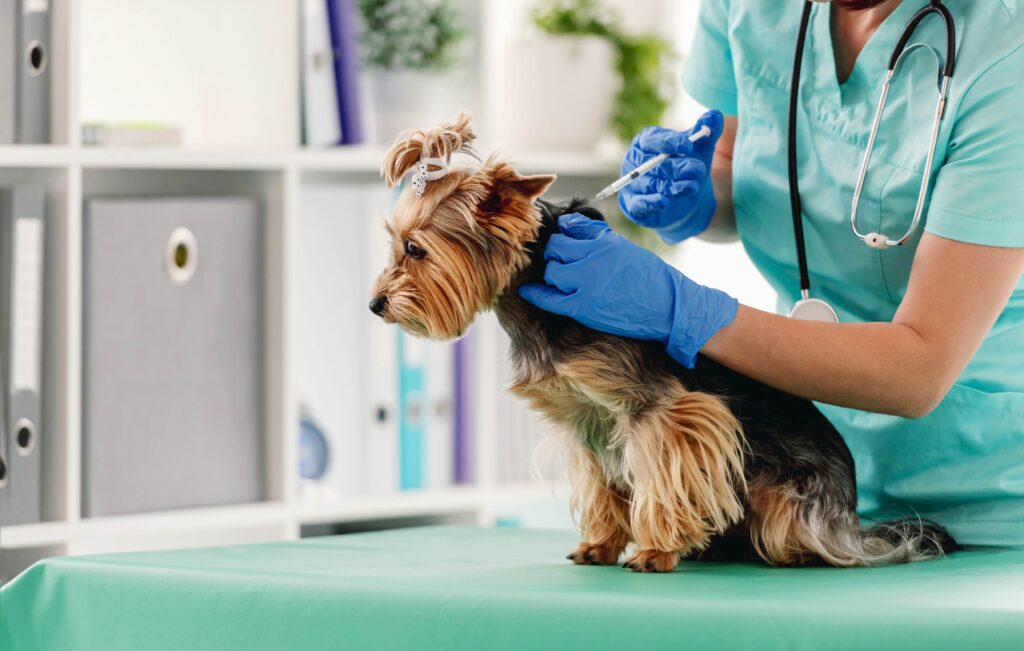
Dog vaccinations are critical to ensuring your four-legged friend stays healthy from puppyhood into their senior years. Dogs need vaccinations throughout their lives to help protect them from serious, potentially life-threatening diseases, such as rabies, parvovirus, distemper, and leptospirosis.
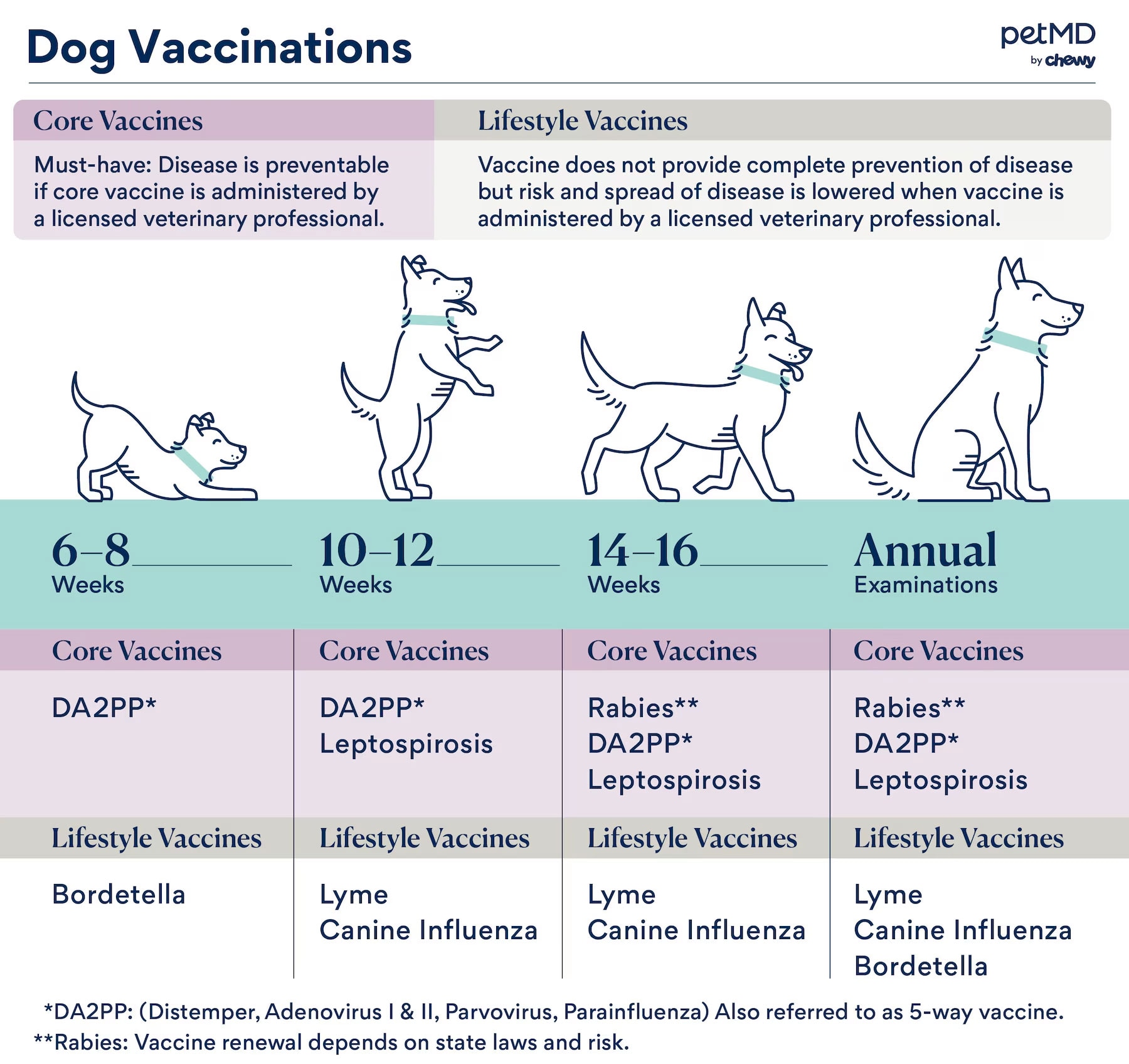
Dog vaccines typically start between 6 to 8 weeks of age with boosters occurring at regular intervals until the dog reaches 16 weeks of age. After this, boosters are typically given every one to three years.
The exact vaccine schedule depends on your dog’s age, lifestyle, health status, and risk factors.
Key Takeaways
- Vaccines are one of the safest and most effective ways to prevent infectious diseases in dogs.
- Puppies need a series of vaccines beginning around 6–8 weeks of age. Adult dogs require booster vaccines to maintain protection.
- Core vaccines are recommended for all dogs.
- Lifestyle vaccines are recommended based on exposure risk and geography.
- Your veterinarian can help create a vaccine plan tailored to your dog's lifestyle.
Why Are Dog Vaccinations Important?
Vaccines are the safest and most cost-effective way to protect your dog from many infectious, preventable diseases. Vaccines help your dog's immune system recognize and fight off harmful bacteria and viruses they encounter to either fully prevent the disease or decrease the severity of symptoms.
Vaccinating your dog also protects public health, as some preventable diseases can be spread to people.
What Are the Common Dog Vaccinations?
Dog vaccinations are split into two general categories: core vaccines and lifestyle vaccines.
Core vaccines include vaccinations for rabies, leptospirosis, and distemper (distemper is usually given as part of a combination vaccine that also includes adenovirus/hepatitis, parvovirus, and parainfluenza). Lifestyle vaccines depend on certain risk factors, such as geographic location, environmental exposure, and close contact with other dogs. Lifestyle vaccines include Bordetella, Lyme, influenza, and rattlesnake vaccinations.
Core Vaccines
Core vaccines are required for all dogs and puppies. Core dog vaccines include:
-
Canine distemper/adenovirus-2 (hepatitis)/parvovirus/parainfluenza vaccine (given as one vaccine and commonly referred to as DA2PP, DHPP, or DAPP)
-
Leptospira (Leptospirosis) vaccine (this can also be given in combination with the DA2PP/DHPP/DAPP vaccine, as the DHLPP vaccine)
Lifestyle Vaccines
Lifestyle vaccines are considered optional and given based on factors such as your pet’s lifestyle and where you live. Several lifestyle vaccines protect against highly contagious or potentially life-threatening diseases.
To determine which lifestyle vaccines are appropriate for your dog, your vet will look at a variety of factors, including:
-
Geographic location and risk of disease in the area
-
Whether your pet goes to doggy day care, dog parks, or boarding or grooming facilities
-
Your pet’s lifestyle, including traveling, going on hikes, or being exposed to the wilderness
-
The overall health of your pet
Lifestyle vaccines include:
-
Bordetella bronchiseptica (kennel cough) vaccine
-
Borrelia burgdorferi (Lyme) vaccine
-
H3N2/H3N8 (canine influenza) vaccines
-
Crotalus atrox (rattlesnake) vaccine
For PetMD’s complete guide on dog vaccinations and when your pet should get them, click here.
For the Spanish version, click here.
Puppy Vaccine Schedule
So, when do new puppies need shots?
Most puppies begin their first vaccinations around 6–8 weeks of age. For puppy vaccines to provide necessary protection, they’re given every two to four weeks until a puppy is at least 16 weeks old. Certain breeds and puppies in high-risk areas may benefit from receiving the last vaccines at around 18–20 weeks old.
Here’s an example of what a typical puppy shot schedule looks like:
| Age | Core Vaccines | Lifestyle Vaccines |
|---|---|---|
| 6–8 weeks | DA2PP* | Bordetella Parainfluenza (often included in DA2PP combo vaccine) |
| 10–12 weeks | DA2PP Leptospirosis | Lyme Canine influenza |
| 14–16 weeks | DA2PP Leptospirosis Rabies vaccine (may be given earlier if required by law) | Lyme Canine influenza |
*DA2PP (Distemper, Adenovirus/Hepatitis, Parvovirus, and Parainfluenza. Sometimes also referred to as DHLPP when Leptospirosis is included.)
Ultimately, it’s important to consult with your veterinarian to identify the appropriate schedule for puppy vaccines for your specific pet.
If you want to socialize your puppy safely while waiting for their vaccine schedule to be completed, consider using a dog stroller or a dog backpack carrier to keep your puppy off the ground.
Adult Dog Vaccine Schedule
Adult dogs need their core vaccines in addition to any lifestyle vaccines decided upon between you and your veterinarian. A dog vaccination schedule for an adult dog may look like this:
| Frequency | Core Vaccines | Lifestyle Vaccines |
|---|---|---|
| Annual vaccines for dogs | Rabies (initial vaccine) Leptospirosis | Lyme Canine influenza Bordetella (sometimes given every six months) |
| Dog vaccinations given every three years | DA2PP* Rabies** (after initial vaccine, given every three years) | No three-year lifestyle vaccines are available at this time |
*DA2PP may be given every one to three years.
** Rabies may be given every year, depending on state laws and risk.
Ultimately, your veterinarian will determine how long a vaccine will work for your pet.
If your dog is overdue or if it’s their first time getting a vaccine, your vet may recommend a booster vaccine or an annual schedule so your pet is fully protected.
What Diseases Do Dog Vaccines Prevent?
Keeping up with your dog vaccinations is the best way to protect your pup from many different illnesses, including:
Rabies
Rabies is a virus that causes neurologic disease that is fatal for domestic pets, wildlife, and people. It’s most notably transmitted through a bite from an infected animal. If your dog has rabies, it can be transmitted to you or other people through bite wounds.
The rabies vaccine for dogs is required by law in the U.S. Despite the excellent vaccination system in place, there are still cases of rabies reported each year.
Due to the fatality and zoonosis (meaning it can be transmitted from animals to people) associated with rabies, there are legal ramifications if your pet is not current on their rabies vaccine. Therefore, it’s extremely important to keep your pet up to date.
If an unvaccinated dog or a pet that’s past due for their rabies vaccine is exposed to a potentially rabid animal or accidentally bites someone, it may result in health concerns, the need to quarantine your pet, or humane euthanasia in certain circumstances.
Distemper/Adenovirus (Hepatitis)/Parvovirus/Parainfluenza(DA2PP)
The DA2PP vaccine protects against a combination of diseases that can spread quickly among dogs and have serious implications for canines, including severe illness and death.
-
Canine distemper is a devastating disease that is highly contagious in unvaccinated dogs. It can result in severe neurologic signs, pneumonia, fever, encephalitis, and death.
-
Adenovirus 1 is an infectious viral disease also known as infectious canine hepatitis. It causes upper respiratory tract infections as well as fever, liver failure, kidney failure, and ocular disease. Adenovirus 2 causes kennel cough. The vaccine is often called DA2PP because it contains adenovirus 2, which provides cross-protection against both of these harmful viruses.
-
Parvovirus in dogs is particularly contagious and can cause severe vomiting, diarrhea, lethargy, dehydration, and death in severe cases.
-
Parainfluenza is a virus that causes kennel cough. It is considered highly contagious and causes coughing, eye or nose discharge, and lethargy.
Bordetella
Bordetella is associated with a highly contagious cough commonly known as kennel cough, or canine infectious respiratory disease complex (CIRDC).
These infections typically resolve on their own, but they sometimes lead to pneumonia or more severe respiratory disease. Because kennel cough is so contagious, boarding, grooming, and doggy day care facilities across the U.S. require your pet to have this vaccine.
Canine Influenza
Canine influenza in the U.S. is caused by two identified strains of the virus: H3N2 and H3N8. It is highly contagious and causes a cough, nasal discharge, and low-grade fever in dogs.
Outbreaks in the U.S. draw a lot of attention, as influenza viruses can give rise to new flu strains that have the potential to affect other species and possibly cause death.
Typically, the canine influenza vaccines are recommended for dogs that go to day care, boarding facilities, the groomer, or any place where they will be among other dogs. Talk to your vet about whether this dog vaccine is recommended for your pet.
Leptospirosis Disease
Leptospirosis is a bacterial disease that can cause severe kidney or liver failure in dogs and people. It’s transmitted via the urine of infected animals and is found in both rural and urban settings.
Formerly considered a lifestyle vaccine, the leptospirosis vaccine is now a core dog vaccine. Dogs can be exposed to this illness by licking or coming in contact with a contaminated puddle or body of water where an infected animal has urinated.
Traditionally, the leptospirosis vaccine was only recommended for dogs in rural areas with outdoorsy lifestyles. But leptospirosis has now been found to occur in suburban and urban settings too. The city of Boston experienced an outbreak in 2018 likely due to the urine of infected city rats.
Leptospirosis can be transmitted to people as well. Talk to your vet about whether they recommend this vaccine for your pet. The vaccine covers four of the most common strains of leptospirosis, and the initial vaccine must be boostered two to four weeks later, and then annually thereafter.
Lyme Disease
Lyme disease is a tick-borne disease caused by the Borrelia burgdorferi bacteria that can cause fever, lethargy, decreased appetite, shifting leg lameness, and kidney failure in severe cases.
Lyme disease is endemic in various areas around the country (such as the Northeast, northern Midwest, and Pacific coast), and the vaccine is recommended in these areas and for dogs traveling to places with high rates of the disease. Talk to your vet if this vaccine is recommended for your dog.
Like leptospirosis, the vaccine is initially given as two injections spaced three to four weeks apart, and then yearly after that.
Which Dog Vaccines Does My Pet Need?
Core vaccines, which include rabies, DA2PP, and leptospirosis, are always recommended. Noncore vaccines such as Bordetella, Lyme, influenza, and rattlesnake depend on your dog's lifestyle and exposure risk. It’s important to discuss your dog’s lifestyle with your veterinarian so they can make appropriate recommendations regarding vaccines for your dog.
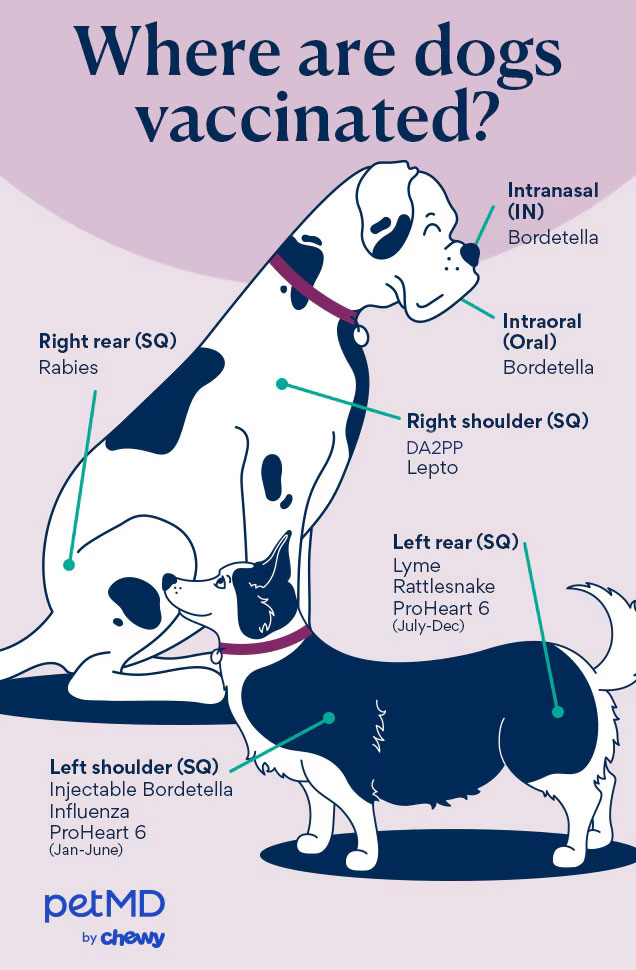
Where Are Dogs Vaccinated?
Dogs are vaccinated in various locations depending on the type of vaccine. Common vaccine sites include:
-
Right rear leg: Rabies
-
Left front leg/shoulder: Injectable Bordetella, influenza, ProHeart 6
-
Left rear leg: Lyme, rattlesnake, ProHeart 6
-
Right front leg/shoulder: DA2PP, leptospirosis
-
Intraoral: Bordetella
-
Intranasal: Bordetella
How Much Do Dog and Puppy Vaccines Cost?
Puppy and dog vaccine costs may vary depending on where you live. Typically, the basic DHLPP vaccine can cost $20–$60 per shot, while the rabies vaccine may be $20–$30. Other noncore vaccine prices can vary but are generally less than $100 per shot.
Vaccines are an essential part of dog and puppy care, and it is important to budget appropriately for them—especially when getting a new puppy. Puppies typically receive several different vaccines, often with boosters. But once they have been fully vaccinated, puppies transition to an adult vaccine schedule of annual (or even every three years) vaccines.
So, while getting a puppy started on vaccines may be an investment, this financial obligation will decrease during adulthood.
To help offset the cost of vaccines, many local animal shelters or humane societies have low-cost or even free vaccine clinics. Your veterinarian may be able to help identify these local options.
Additionally, pet insurance may be a good way to help offset these costs. Many insurance carriers will have wellness or preventive care plans to cover some (or all!) of the core and noncore vaccines.
Can Pets Have Adverse Reactions to Vaccines?
Dogs can have adverse reactions to canine vaccinations, medications, and even natural vitamins and supplements. These incidents are rare, but because they do occur, it’s important to monitor your pet after their vaccine appointment.
It’s common for dog vaccines to cause mild reactions, including discomfort or swelling at the injection site. Dogs may also develop a mild fever or have decreased energy and appetite for the day. But if any of these signs persist for longer than 24 hours, contact your veterinarian.
More serious side effects, such as anaphylaxis, can occur within minutes to hours of the vaccination. Seek veterinary care immediately if your pet shows any of the following symptoms:
-
Vomiting
-
Diarrhea
-
Swelling of the muzzle around the face and neck
-
Coughing
-
Difficulty breathing
-
Itchy skin
-
Hives
These reactions are much less common but can be life-threatening. Before your veterinarian administers any animal vaccines, alert them if your pet has had a reaction in the past.
Additional Preventive Care for Puppies and Dogs
Vaccines are just one part of keeping puppies and dogs healthy. Preventive care also focuses on parasite protection, early screening tests, and routine wellness exams that help catch problems early and reduce the risk of contagious disease.
-
Parasite prevention: All-in-one preventives, such as Simparica Trio, protect dogs against three categories of parasites: heartworms, fleas and ticks, and intestinal worms. Simparica Trio is indicated for puppies who are at least 8 weeks old and who weigh at least 2.8 pounds.
-
Deworming: Regularly deworming your puppy eliminates intestinal worms, such as roundworms, hookworms, whipworms, and tapeworms that can cause vomiting, diarrhea, and weight loss.
-
Wellness exams: Frequent veterinary checkups for puppies and exams at least annually for adult dogs identify health concerns early and support your dog’s overall health and well-being.
-
Heartworm and tick-borne disease screening: Puppies can have heartworm testing starting at 6 months of age. Tick-borne screening tests can be done as a preventive measure annually or if there was recent exposure to a tick.
Puppy and Dog Vaccines FAQs
How many vaccines does a dog need?
This depends on the age, lifestyle, and risk factors of a dog, and where the dog lives. Pet parents should talk with their veterinarian about creating an individualized vaccine schedule that meets their dog’s needs.
What happens if your dog is not vaccinated?
Unvaccinated dogs are susceptible to preventable diseases that can be expensive to treat and, in some cases, fatal. Some of these diseases, such as rabies and leptospirosis, can also be transmitted to humans.
Is it ever too late to vaccinate my dog?
No, it’s never too late to vaccinate a dog, even if they’re older.


