The Benefits of In-Home Dog Boarding
SPONSORED BY


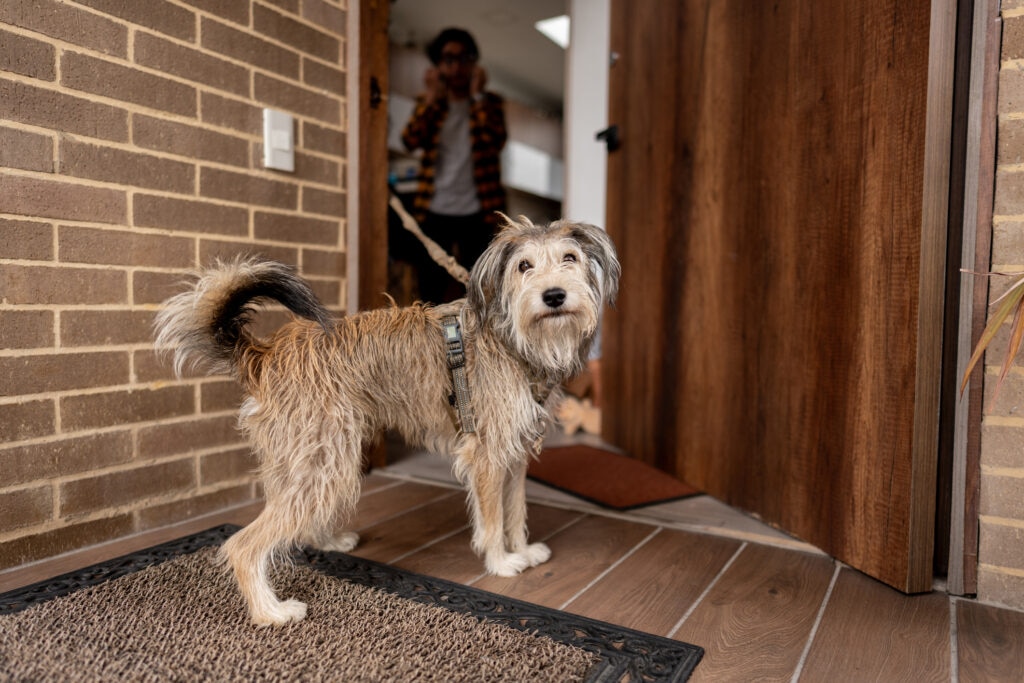
Frazao Studio Latino/iStock/Getty Images Plus via Getty Images
Finding overnight care for your dog is a big decision. You want your pup to be safe, comfortable, and well cared for while you’re away—but not all dogs thrive in a traditional kennel situation. For many families, in-home dog boarding offers a more personalized approach for dogs who prefer a home environment that supports their daily routing in a more familiar, less stressful setting.
Here’s what to know about in-home dog boarding, how it compares with kennel boarding, and how to decide whether it’s the right fit for your dog.
What Is In-Home Dog Boarding?
In-home dog boarding is a type of overnight dog boarding where a sitter cares for your dog in their own home. Depending on the sitter and the services you book, care may include meals, walks, potty breaks, playtime, medication administration, bedtime routines, and regular updates while you’re away.
Finding an in-home sitter can be as simple as searching a marketplace like Rover, which connects pet parents with qualified pet sitters based on experience, reviews, and availability. Many sitter profiles on Rover detail how their home environment and care routines can be a good match for your dog.
Benefits of In-Home Dog Boarding
Feels More Like Home
One of the biggest benefits of in-home dog boarding is that your dog stays in a home rather than a kennel-style facility. This may mean a quieter atmosphere, more familiar household sounds, a less stressful schedule, and a less institutional setup. This can be especially valuable for dogs who are sensitive to noise or become overwhelmed by strange activity.
Many in-home dog boarding sitters also offer cage-free boarding, meaning dogs sleep and move freely in the sitter's home rather than in a kennel run or crate.
“Home-like environments are more likely to improve a dog’s well-being than traditional kennels,” says Nicole Ellis, a certified professional dog trainer and Rover Pet People panelist. “Most dogs prefer to sleep around people [rather] than alone, especially if their human is away.”
More Personalized Attention
Many in-home boarding sitters offer a lower person-to-dog ratio, which allows for highly individualized care. Before dropping your dog off, your sitter can learn about your dog’s normal feeding schedule, walking routine, play preferences, sleep habits, and comfort needs.
This can be helpful for dogs who need specific support, such as medication, slower walks, extra potty breaks, or a predictable daily schedule. It can also help you feel more confident that your dog’s care plan is being followed.
More Support for Your Dog’s Routine
Dogs often feel most secure when they know what to expect. While any boarding experience involves some change, in-home dog boarding may make it easier to keep parts of your dog’s routine consistent. Finding a sitter near your home, or in your neighborhood, can also help keep your dog’s day-to-day the same and provide comfort at night.
“Familiar routines and environments are less stressful for dogs when you’re away,” Ellis says.
Some in-home boarding sitters can also offer pick-up, drop-off, and grooming. These care options may be an additional fee but, unlike traditional kennels, a sitter may be more flexible in accommodating your dog’s routine for these services.
Before booking, share your dog’s usual schedule with the sitter, including meal times, potty breaks, exercise needs, crate preferences, bedtime routine, and any behaviors the sitter should know about. The more detail you provide, the easier it is for the sitter to support your dog’s normal habits.
Convenience of Local, In-Home Care
When looking for sitters, you can narrow your search area to your neighborhood, along your commute route, or even by your travel location. A sitter’s home may be more conveniently located than a facility because kennel facilities are often restricted by licensing and zoning laws.
Some facilities may also require trial days or dogs to be part of their existing day care program before they accept your pet. In-home boarding on Rover, on the other hand, only requires a meet-and-greet.
Depending on your timeline, in-home boarding may require less hurdles to jump through to find suitable, quality care.
Is In-Home Boarding Right for Your Dog?
In-home dog boarding is a good option for many dogs, but it can be especially appealing for dogs who need individualized care. This can include:
- Senior dogs, who may benefit from a quieter environment, a predictable routine, medication support, and help with mobility.
- Puppies, who may need frequent potty breaks, close supervision, and a sitter who understands puppy behavior and vaccination considerations.
- Anxious dogs may do better with a calm sitter and a low-stress setting, especially if the sitter can follow familiar routines.
- Dogs with separation anxiety may benefit from increased human interaction, and they often require a sitter who can follow an established behavior management plan.
- Dog boarding for reactive dogs requires extra care. If your dog reacts to other dogs, unfamiliar people, children, noises, or handling, ask detailed questions about the home environment before booking. Make sure the sitter understands your dog’s triggers and can help prevent unsafe interactions.
Dogs with significant medical needs, severe anxiety, or complex behavior concerns may need a sitter with specialized experience, veterinary input, or an alternative boarding arrangement that can provide a higher level of supervision or medical support.
Questions to Ask Your In-Home Dog Boarding Sitter
Choosing the right sitter is one of the most important parts of in-home dog boarding. Before booking, schedule a meet-and-greet whenever possible. This gives you a chance to see how the sitter interacts with your dog and see the home for yourself.
Some good questions to consider include:
- How many dogs or other pets will be in the home?
- Will my dog be crated, free-roaming, or kept in a specific area?
- Is the home pet-proofed and secure?
- Do you have a fenced yard, and how are outdoor breaks supervised?
- What is your experience with dogs like mine?
- Can you follow my dog’s feeding, walking, medication, and bedtime routine?
- How often will you send updates, photos, or videos while I'm away?
- Are resident dogs and visiting dogs required to be current on recommended vaccinations and parasite prevention?
- How are introductions handled between my dog and resident pets?
- What is your emergency plan?
- Which veterinarian or emergency clinic would you contact? Can you provide reviews, references, or information about any background screening completed through the booking platform?
Look for a sitter who communicates clearly, asks thoughtful questions, and is honest about what they can and can’t accommodate.
A good sitter should want to understand your dog’s personality, health, routine, and safety needs before agreeing to the stay.
What To Bring for Overnight Dog Boarding
To help your dog feel more comfortable, pack the items they’ll need for the stay. This may include food, treats, medications, dosing instructions, vaccination records, leash, harness, bed, blanket, favorite toy, and any enrichment items they enjoy. Coordinate with your sitter to make sure they can accommodate your dog’s favorite things.
You should also provide written care instructions, your contact information, your veterinarian’s contact information, and emergency details. Include notes about behavior, triggers, allergies, feeding rules, and anything your sitter should avoid.
FAQs About In-Home Dog Boarding
Is in-home boarding better than a kennel?
For most dogs, in-home boarding is the lower-stress option. Kennels can work well for highly social dogs who thrive around other animals and activity, but many dogs do better with one-on-one attention, a quieter environment, and a consistent routine.
The dogs most likely to benefit from in-home boarding include anxious dogs, reactive dogs, seniors, puppies, and dogs who are strongly bonded to their owners. For these dogs, the home-like setting, personalized schedule, and dedicated sitter attention often make for a less stressful stay.
The right choice depends on your individual dog and their temperament, health, and age. A meet-and-greet with a prospective sitter, combined with honest answers about your dog's needs, is one of the best ways to gauge fit before booking.
Are platforms like Rover safe to use for pet care?
Platforms like Rover include safety features designed to support pet parents and sitters, such as sitter background checks, verified reviews, and access to Rover's support team if issues arise during a stay. Booking through an established platform also creates a record of the arrangement and can simplify communication between pet parents and sitters.
Is in-home boarding good for dogs with separation anxiety?
In-home boarding can be helpful for some dogs with separation anxiety, especially if the sitter can provide companionship and follow your dog’s routine. However, dogs with severe anxiety may need a sitter with specific experience, a behavior plan, and guidance from a veterinarian or certified trainer.
How do I know if a sitter is a good fit?
A good sitter should have relevant experience, a safe home setup, clear communication, and a willingness to follow your dog’s routine. Reviews, references, meet-and-greets, and thoughtful answers to your questions can all help you evaluate if they’re a good fit.
What’s the safest option for puppies?
For most puppies, in-home boarding with an experienced sitter is the safest option because it provides close supervision, frequent potty breaks, and one-on-one attention that kennels typically can't match. Look for a sitter who has boarded puppies before, understands vaccination requirements (puppies may not be fully vaccinated), and can stick to a feeding and sleep schedule. Ask your veterinarian which boarding settings are appropriate before booking.
Is in-home boarding good for reactive dogs?
For reactive dogs, in-home boarding is often the safer choice compared to kennels. The ideal setup is a home with no resident dogs, a fully fenced yard, and a sitter who understands leash reactivity and can prevent unplanned encounters. Platforms like Rover let you filter by sitter experience and message sitters directly to explain your dog's triggers before booking.


