Why Is My Dog Scared of Everything?


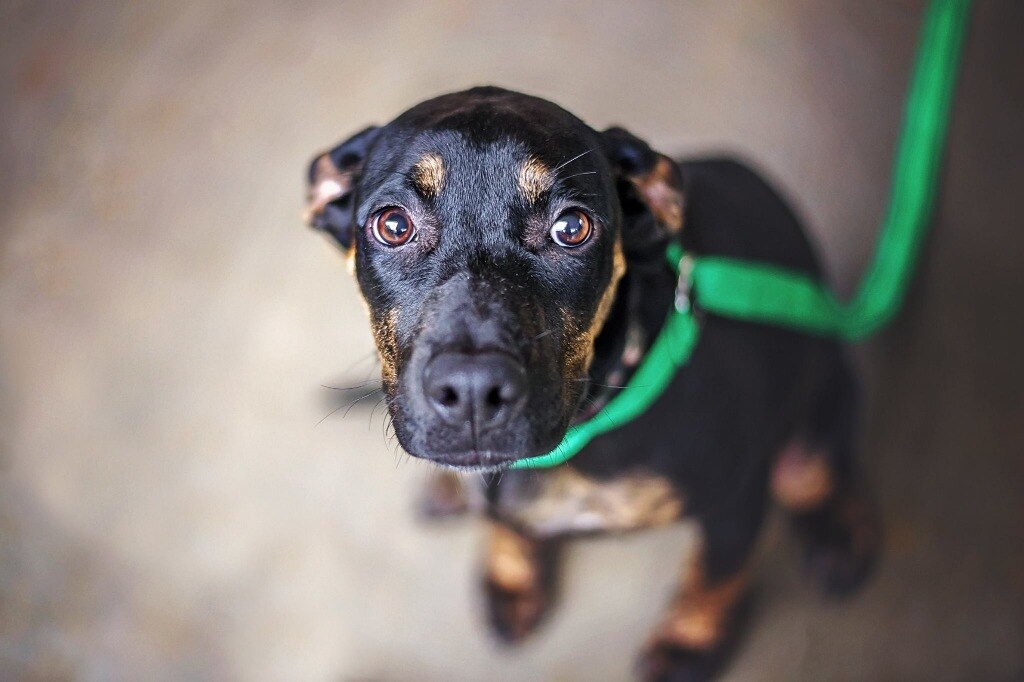
Does it seem like your dog is scared of everything?
Instead of greeting the world with a confident walk and a wagging tail, a fearful dog might shy away from anything new—or even react preemptively to avoid a new situation altogether.
In the wild, it’s normal for animals to be fearful—and it actually increases their chance of survival. But for a dog who’s pampered in the comfort of your home, it’s not so useful and can even have long-term health implications.
Here’s why some dogs are scared of everything and how you can help your dog deal with their fear.
Key Takeaways
- Fearfulness in dogs can stem from many causes, including lack of socialization, genetics, traumatic experiences, or pain.
- Trembling, shivering, ears back, and a tucked tail can all be signs your dog is scared.
- Learning to recognize your dog’s body language can help you identify fear before it escalates.
- Patience and positive reinforcement are key—never force a fearful dog to face situations they’re not ready for.
- Gradual desensitization and counter-conditioning can help dogs build confidence around common triggers like loud noises, strangers, or other dogs.
Why Is My Dog Scared of Everything?
There might be more than one reason your dog is frightened. Here are some common reasons that dogs tend to be fearful.
Lack of Socialization
A lack of positive exposure to new people, animals, and environments during the critical period of the puppy socialization process can lead to fearfulness later on in life.
This important developmental stage occurs between 8 and 16 weeks of age.
Puppies that don’t have positive exposure to the world around them might be more likely to be wary of anything new or unusual. This can lead them to be scared of things we wouldn’t associate with fear, like people wearing large hats or having a stroller, skateboard, or skater go past you.
Genetic Predispositions
Some nervous dogs might also have a genetic predisposition to fearfulness or shyness. Puppies born to anxious mothers are more likely to be fearful as well.
Traumatic Experiences
A single traumatic experience can create lifelong fear responses.
For example, a dog who's caught off guard by firecrackers during a walk might then generalize that fear response to any loud noise—like a car door slamming—and might also develop a fear of walking anywhere near where it happened.
Pain
Some behaviors that look like fear might be related to pain. Dogs that seem “hand shy” and nervous about being touched might actually be dealing with an undiagnosed medical issue.
Your veterinarian can help you determine whether your dog is experiencing pain.
A common reason for fear in dogs is a lack of positive exposure to new people, animals, and environments during the critical period of the puppy socialization process.
Signs That Your Dog Is Scared
The first step to helping a dog who's scared of everything is understanding their body language.
Some of the most common signs your dog is scared include:
-
Hunched body with head down
-
Ears back
-
Tail tucked
-
Hair standing up on the neck and back
-
Showing teeth
A dog who's afraid might also show these more subtle signs:
-
Freezing in place
-
Moving in slow motion
-
Repeatedly licking their lips
-
Yawning frequently
-
Trying to move away from the stressor
-
Panting heavily or suddenly stops panting
Keep in mind that some behaviors that look like aggression, like leash reactivity and barking, can also be signs of an underlying fear.
Common Fears and Phobias in Dogs
Many dog fears are universal—like a trip to the vet. However, a dog who's scared of everything might have a difficult time coping with common, everyday things.
Loud Noises
It’s almost impossible to avoid having a startle reflex when you hear an unexpected loud noise, but dogs who are scared of everything will react more dramatically.
For example, a typical dog might jump at the sound of a dropped pan. But a fearful dog might run, hide, and refuse to come out.
Children
Kids can be fast, loud, and unpredictable. Because of that, they can be challenging for even the most even-tempered dogs.
But dogs with generalized fear reactions will find children even more distressing, particularly if a child has a hard time recognizing when a fearful dog is trying to get away.
Other Dogs
Unfortunately, not every dog wants to be friends with other canines. If a dog hasn’t had the opportunity to meet dog friends, they might wind up feeling overwhelmed.
Strangers
Some dogs are uncomfortable around people they don't know. If your dog gets nervous around someone who's not you, it can even be challenging to have guests at home.
Going Outside
Sometimes the world outside your front door is a scary place. Dogs that move to a different environment, like from the suburbs to the city, might find the noise and crowds in their new neighborhood overwhelming.
Similarly, a traumatic experience outside can be enough to create an overwhelming fear of going outdoors.
How To Help a Fearful Dog
If your dog is scared, the best thing you can do is to be patient.
Trying to push a nervous dog beyond their comfort zone could derail the training process, so be patient and encourage your fearful pup as they learn to be a more confident dog.
If Your Dog Is Scared of Loud Noises….
If your dog only reacts to certain types of noises, such as sirens, fireworks, or thunder, use behavioral modification to help your dog learn to tolerate the sound.
- Use a recording of the sound to gradually desensitize them to the noise by playing it at a low volume and pairing it with treats.
- Then increase the sound over a series of training sessions, watching your dog’s body language to make sure that they aren’t becoming uncomfortable with the noise.
- If your dog is trying to cope with ongoing scary sounds, like construction noise, use a white noise machine to muffle the sounds. Calming pheromones and ThunderShirts can also help.
If Your Dog Is Scared Around Children…
If you don’t typically have children in your home, it’s easiest to manage your dog’s behavior by keeping them in a safe, quiet space, such as a crate, when small guests visit.
If you discover that your new dog is fearful around your own children, make sure your dog has an area to spend time away from them—for example, consider putting up a gate.
Find a positive-reinforcement dog trainer to help you assess the situation and create a training plan that keeps everyone safe.
If Your Dog Is Scared of Other Dogs…
Helping fearful dogs learn to be more confident around other canines requires a slow approach and a good understanding of dog body language. You will need to slowly work through dog introductions in order to keep your pup feeling comfortable.
- For dogs that are mildly uncomfortable around other dogs, find a mellow, dog-savvy dog and try walking them together, at the same pace but with distance between them.
- When both dogs seem relaxed, gradually begin to bring them closer together, making sure that they remain calm and happy as they get closer.
- Keep early introductions short and end sessions before the nervous dog gets overwhelmed.
Remember that making friends with one dog doesn’t mean the behavior will generalize to all dogs.
And if your dog prefers not to interact at all, it's best to keep them separate. In that case, you can:
- Help your dog build neutrality around other dogs while out on a walk.
- Bring a treat pouch and some training treats along with you.
- Reward your dog for engaging with you instead of the other dogs.
If Your Dog Is Scared of Strangers…
Using desensitization and counter-conditioning can help a stranger-shy dog start to overcome their fears.
- To begin, figure out your dog’s “buffer zone”—the area at which they can remain calm when faced with a stranger.
- Then have the stranger come into view at the edge of that buffer zone and feed your dog a bunch of extra-special treats they don’t normally get.
- Continue giving treats while the person is in view for a few seconds, then have the stranger disappear.
- Gradually bridge the gap between your dog and the person over a series of training sessions. Always watch your dog’s body language to make sure they remain calm and confident throughout the training process.
If Your Dog Is Scared of Going Outside…
Dogs that are afraid to leave their home can benefit from a training process called shaping. Shaping makes it easier for dogs to face their fears by breaking behaviors down into manageable steps and rewarding your dog for making progress toward the finished product.
- Begin the process by standing near the door with a handful of treats.
- When your dog makes any movement towards the door, mark the behavior with a clicker or verbal marker (such as “good!”) and toss a treat to your dog.
- Continue to build on and reward each step towards the door until your dog is able to cross the threshold.
You could also speak with your veterinarian about pairing training and desensitization with calming supplements.
Sometimes, medication may be helpful for some dogs if other options have not worked—but again, this decision should always be discussed with your vet.
Working with a board-certified veterinary behaviorist or a licensed and certified trainer who specializes in fear-based issues is also a good option.


