Why Is My Cat Limping? Causes, Treatment, and How To Prevent It
SPONSORED BY


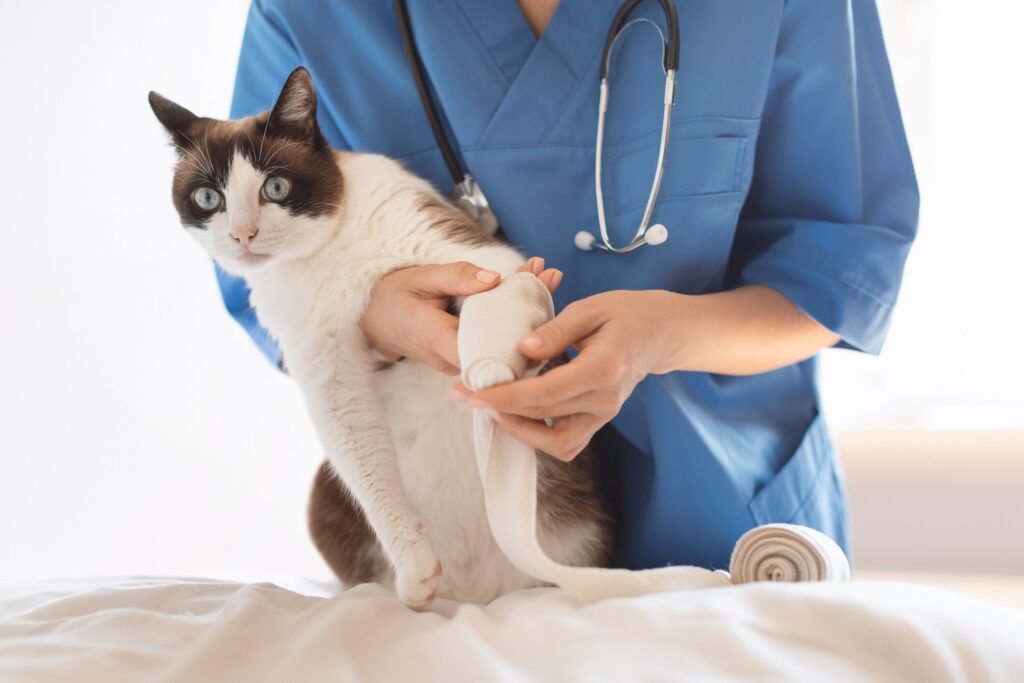
Prostock-Studio/iStock / Getty Images Plus via Getty Images
If your cat is limping, it’s usually a sign of pain.
Cat limping caused by a mild injury may improve with rest, while fractures, infections, or joint disease require prompt evaluation by a veterinarian. Treatment for feline limping may include medications or surgery but will vary based on the cause.
A healthy diet, weight management, and veterinarian-recommended supplements like Cosequin® can support joint health in cats. It is important to talk with your veterinarian about supporting your cat’s joint health early.
Key Takeaways
- Cats may limp for many reasons, including trauma, illness, or degenerative conditions.
- Some cases of cat limping can get better on their own, while others require a veterinary visit. Some can be true emergencies.
- Treatment varies widely depending on the cause of your cat’s limping.
- Weight management, a healthy diet, and joint support supplements might be recommended.
- Be careful handling a limping cat—they can lash out when they are in pain.
What Does Cat Limping Look Like?
Feline limping can be easy to miss, especially because many cats try to hide pain. In general, a limp means your cat is not using one or more legs normally.
You may notice your cat:
-
Holding up a front paw
-
Avoiding putting full weight on a back leg
-
Taking shorter or slower steps
-
Hesitating to jump, run, or climb
The limp may be subtle or more pronounced, depending on the cause.
Health Tools
Get quick answers with our vet-created Symptom Checker
Why Is My Cat Limping?
Whether your cat’s limping is occurring on a front or back leg, there are several things that may be causing it. Reasons for feline limping are often related to trauma, illness, or degenerative conditions.
Limping Caused by Trauma
Injuries that lead to limping can be minor or cause for emergency. Some examples include:
-
Debris embedded in the skin or deeper tissues—in between toes and paw pads is very common
-
Frostbite
-
Toenails that have grown into the feet
-
Overworked, strained, or torn muscles
Limping Caused by Disease
Limping in cats isn’t always caused by an obvious injury. In some cases, it can signal an underlying disease or medical condition. These often come on suddenly or are linked to infection, inflammation, or whole-body disease. Here are some common illnesses that may lead to limping:
-
Infections affecting soft tissues, bones, or joints
-
Tick-borne diseases
-
Immune-mediated or autoimmune joint disease
-
Diabetes (diabetic neuropathy)
-
Kidney disease (can cause weakness and mobility changes)
-
Nutritional imbalances
Limping Caused by Degenerative Conditions
Limping is often one of the first visible signs of joint discomfort caused by chronic conditions like arthritis. These conditions develop slowly over time and are more common in aging cats.
-
Osteoarthritis (more likely with age)
-
Degenerative joint disease
-
Hip dysplasia
-
Intervertebral disc disease
What Should I Do If My Cat Is Limping?
If your cat is limping, it’s important to stay calm and take a closer look. Some causes are minor, but others may need quick veterinary care. Acting early can help prevent pain from getting worse and catch serious issues sooner.
Step 1: Check for Obvious Injuries
Gently look over your cat’s leg and paw.
Check for:
-
Cuts, swelling, or bleeding
-
A stuck object (like a thorn or splinter)
-
Broken nails
-
Pain when you touch a certain area
Move slowly and stop if your cat seems to be in pain or tries to pull away.
Step 2: Limit Activity
Keep your cat calm and restrict movement.
-
Avoid jumping, running, or rough play
-
Keep your cat indoors
-
Consider placing them in a quiet, small space if needed
Rest can help prevent further injury.
Step 3: Monitor Closely
Watch your cat over the next 24–48 hours.
Look for:
-
Improvement or worsening of the limp
-
Changes in appetite or behavior
-
Swelling or new symptoms
Some mild limps may improve with rest, but ongoing symptoms need attention.
Step 4: Contact Your Vet
If the limping doesn’t improve within a day or two, reach out to your veterinarian.
Your vet may recommend an exam, imaging, or treatment to find the cause and relieve pain.
Signs of an Emergency: When To See the Vet Immediately
Seek veterinary care right away if your cat:
-
Is showing signs of severe pain (crying, hiding, or reacting aggressively when touched)
-
Has experienced trauma, such as being hit by a car or attacked by another animal
-
Has a visible fracture, dislocation, or a leg that looks deformed
-
Has a bone protruding through the skin
-
Is dragging a leg or cannot move it
-
Has limping along with other symptoms, such as bleeding, trouble breathing, disorientation, or extreme lethargy
Important Safety Tips
-
Never give your cat human pain medications—many are toxic to cats
-
Handle your cat carefully, as pain can cause them to bite or scratch
How Vets Diagnose Limping in Cats
To find the cause of your cat’s limping, your veterinarian will start with a full history and physical exam.
They will ask what you’ve noticed at home, including:
-
When the limping started
-
If the limping affects the front leg, back leg, or both
-
Whether it’s getting better or worse
-
Your cat’s lifestyle, activity level, and overall health
Be sure to share any medications, supplements, or past medical issues your cat has had.
Physical Exam and Movement Check
Your vet will watch how your cat walks and moves in the exam room.
They will perform a hands-on exam, focusing on the bones, joints, and muscles to look for pain, swelling, or injury.
If your cat’s limping comes and goes, it can help to take a video at home to show your veterinarian.
Diagnostic Tests for Limping in Cats
Testing is often needed to confirm the cause.
Veterinarians typically start with:
-
Routine lab work (blood work and sometimes urine testing)
If more detail is needed, your vet may recommend:
-
Joint fluid analysis
-
CT scan
-
MRI
These tests help pinpoint the problem so your cat can get the right treatment.
Treatment for Cat Limping
Treatment for limping in cats depends on the underlying cause and your cat’s overall health. Since there is a wide variety of causes for feline limping, there is not a “one size fits all” treatment plan. Your veterinarian will create a plan to reduce pain and treat the root problem based off of their exam findings and test results.
A common starting point when a cat is limping is pain medication. Depending on the severity of the pain, your vet might give your cat an injection of pain medicine, place a pain patch, or start oral medications.
Treatment for Limping From Trauma
-
Pain medications to keep your cat comfortable
-
Antibiotics to prevent infection in open wounds
-
Anti-inflammatory medications, such as NSAIDs or steroids
-
Surgery to repair injuries or stabilize fractures
Treatment for Limping From Disease
-
Immune-suppressing or immune modulating medications for autoimmune conditions
-
Insulin therapy for diabetes
-
Pain medications to keep your cat comfortable
-
Antibiotics for infections such as an infection in a joint (e.g., septic arthritis).
-
Anti-inflammatory medications, such as NSAIDs or steroids
-
Surgery to remove a tumor or treat a medical issue, such as orthopedic and neurologic conditions
-
Cancer treatments, such as chemotherapy, radiation therapy, or immunotherapy
-
Physical therapy
Treatment for Limping From Degenerative Conditions
-
Pain medications to keep your cat comfortable
-
Anti-inflammatory medications, such as NSAIDs or steroids
-
Surgery
Supplements and Supportive Therapies
Supplements and supportive therapies are great additions to your vet's treatment plan. They are designed to support the treatment plan, not replace it.
Joint Health Supplements
Joint supplements are excellent long-term options to promote healthy joints in cats. When looking for a joint supplement for your cat, ingredients such as glucosamine, chondroitin, and omega-3 fatty acids (DHA, EPA), among others, are important to ensure the supplement will help support your cat's joints.
A great example of a feline joint health supplement is Cosequin. Cosequin has been recommended by veterinarians for many years as a trusted joint supplement for cats. Cosequin is available in a variety of forms for cats of all sizes, such as sprinkle capsules to go on top of food, soft chews, or tidbits (tiny bites for finicky felines).
Cosequin contains glucosamine hydrochloride (FCHG49®) and sodium chondroitin sulfate (TRH122®) in a proprietary blend of ingredients to support joint health in cats.
Physical Therapy and Supporting Therapies
Other therapies for limping in cats include:
-
Physical therapy
-
Laser therapy
Physical therapy can be done at home based on your vet's instruction, or you can take your cat to a veterinary physical therapist where they have specialized equipment to work to improve your cat's mobility.
Always talk to your vet before starting supplements or therapies to ensure they are safe for your cat.
How To Prevent Cat Limping
Preventing cat limping starts with taking the proper steps at home to ensure they are safe from trauma and maintaining a healthy lifestyle.
Stay Indoors
Keeping your cat indoors is always the best option, if possible. This protects them from predators and accidents—such as being hit by a car or falling out of a tree—which can cause lameness. If your cat loves to be outside, consider building them a catio or taking them on controlled leash walks. You can even get a pet stroller for a casual stroll down the block.
Block High Places
At home, although much easier said than done, ensuring your cat cannot get up too high to jump is important. If you have areas of the home with high ledges or tall dressers, consider closing those places off to avoid an accident.
Weight Management
A healthy diet and routine vet care are essential for all cats in every stage of life. Ensuring your cat is not overweight is a good step not only to prevent limping but also to lessen the severity of pain if an issue arises. Obesity can be avoided with portion control, exercise, and a balanced and complete diet.
Regular Wellness Exams
Cats should see their vet for a wellness checkup at least once a year and senior cats every six months. This gives vets the opportunity to catch any disease process early and ensures your cat remains as healthy as possible for as long as possible.
Nail Care
Regular nail trims are also a great way to prevent limping from nail and paw-related issues.
Joint Health Supplements
Joint supplements are an excellent way to help keep your cat’s joints healthy and supported. Cosequin supports the joint health of cats through all stages of life. There is even a special Cosequin formulation for senior cats with added omega-3 fatty acids for joint health and beta-glucan for immune-boosting support.
Cat Limping FAQs
Why is my cat limping but not injured?
Limping without a clear injury can be caused by underlying issues like arthritis, infection, or joint disease. If it continues for more than a day or two, your veterinarian should evaluate your cat.
What if my cat is limping but acting normally?
Even if your cat seems fine, limping can still signal pain or injury. Monitor closely and contact your veterinarian if it doesn’t improve within 24–48 hours.
How do I tell if my cat's limp is serious?
A limp may be serious if your cat cannot put weight on a leg, shows signs of pain, or has swelling, wounds, or other symptoms like lethargy or loss of appetite. If the limp lasts more than 24–48 hours or worsens, your veterinarian should evaluate your cat.
Can a cat's sprained leg heal on its own?
Mild sprains may improve with rest, but it’s important to limit activity and have your veterinarian evaluate your cat to rule out more serious injuries.
Is it safe to touch my cat if they are limping?
You can gently check your cat but use caution—cats in pain may bite or scratch. Stop if your cat shows signs of discomfort or aggression.
Can a cat's leg fall asleep?
Yes, a cat’s leg can temporarily “fall asleep” from pressure, causing brief limping. However, if the limp lasts more than a few minutes or keeps happening, it may point to a medical problem.