Anaphylaxis in Cats: Everything a Pet Parent Should Know About a Cat Allergic Reaction


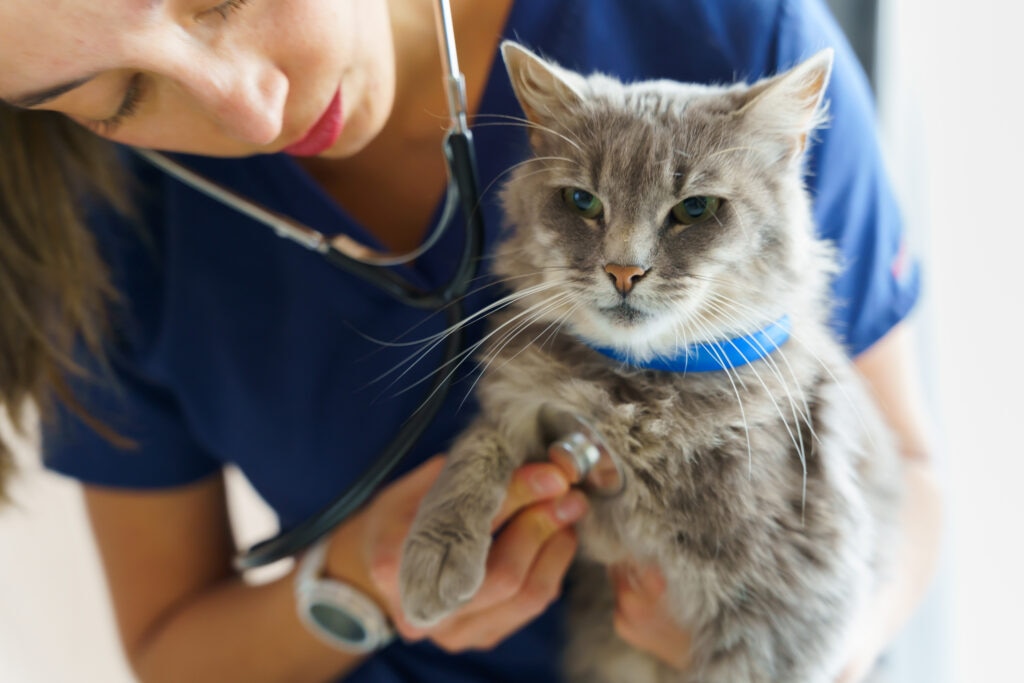
Luis D. Barrera Gamboa/E+ via Getty Images
Anaphylaxis in cats is a severe allergic reaction that can become life-threatening within minutes.
When a cat’s immune system overreacts to a trigger such as an insect sting, medication, vaccine, or food allergen, it can cause sudden symptoms including vomiting, diarrhea, breathing difficulties, weakness, collapse, and shock.
Because anaphylaxis progresses quickly, prompt veterinary treatment is critical. Recognizing the warning signs and seeking emergency care right away can significantly improve your cat’s chances of recovery.
Key Takeaways
- Anaphylaxis in cats is a life-threatening allergic reaction that requires immediate emergency veterinary care.
- Common triggers include insect stings, medications, vaccines, foods, and other allergens that cause the immune system to overreact.
- Symptoms can develop rapidly and may include vomiting, diarrhea, difficulty breathing, collapse, facial swelling, or shock.
What is Anaphylaxis in Cats?
Anaphylaxis in cats (also called allergic shock or anaphylactic shock) is an extreme allergic reaction that can quickly become a life-threatening event for cats.
Anaphylaxis in cats is a medical emergency that can be fatal if not promptly treated.
Allergies occur when the body mistakes a substance (called an allergen) for a threat and releases cells to fight off the perceived invader. This allergic reaction is usually minor, such as itchy skin or sneezing. But in serious cases, the entire body can react in anaphylactic shock.
The reaction may occur with the first exposure to an allergen, but more often it is subsequent encounters that lead to shock.
A cat’s lungs are the most common area impacted by anaphylactic shock, which can affect breathing. Other major body systems affected by shock include the gastrointestinal systems (esophagus, stomach, liver, pancreas, and intestinal tract). Fortunately, anaphylaxis in cats is rare.
If you suspect your cat is having an anaphylactic reaction, take them to a veterinarian or animal hospital immediately.
Anaphylaxis can be fatal in rare cases.
Health Tools
Get quick answers with our vet-created Symptom Checker
Symptoms of Anaphylaxis in Cats
The most common signs of anaphylaxis in cats occur within seconds to minutes. These symptoms include:
-
Severe respiratory distress/difficulty breathing
-
Excitement, restlessness
-
Cold limbs
-
Itchy skin around head and face
-
Collapse
Causes of Anaphylaxis in Cats
It’s not possible to predict when anaphylaxis in cats will occur, but cats with known allergies may be at higher risk.
This rare but potentially deadly form of shock can occur as an immediate reaction to many things in the environment or from an ingested substance.
Specific causes of anaphylaxis in cats include:
-
Venom injected from insects such as bees, wasps, hornets and fire ants.
-
Antibiotic eye ointments containing polymyxin B (this reaction typically occurs within 10 minutes)
-
Surgery to remove heartworms (heartworm ruptures)
-
Medications taken by mouth, such as antibiotics, steroids, non-steroidal anti-inflammatories (NSAIDs), and opiates.
-
Contrast material used for special imaging such as an MRI
-
Vaccines, though this is extremely rare affecting roughly 1 in 10,000 cats.
-
Physical factors such as cold or exercise
How Veterinarians Diagnose Anaphylaxis in Cats
Diagnosing anaphylaxis in cats can be difficult because of its widespread impact on the body. A veterinarian will suspect shock based on the sudden onset of characteristic signs following exposure to a known or possible allergen.
Uncovering the allergen’s source requires a thorough review of a cat’s medical history, medications, lifestyle, environment, and vaccination history. Any changes to diet should also be reported, including treats and table scraps or human food they ate in the last 24 hours.
Your veterinarian will do a complete physical examination to check your cat’s vital functions and run blood work to look for things like excess inflammatory cells (such as mast and white blood cells) and liver enzyme elevations.
An ultrasound of the abdomen and X-rays of the chest may be recommended to evaluate the heart, lungs, and other internal organs such as the liver and gallbladder for signs of anaphylaxis.
Your veterinarian will likely recommend overnight hospitalization.
Treatment for Anaphylaxis in Cats
Anaphylaxis is a life-threatening emergency that requires immediate medical intervention.
While the diagnosis may not be made immediately, your vet will work quickly to treat your cat’s symptoms.
The goal of treatment is to stabilize the cat, ensure the airway is clear, and insert an IV catheter to administer fluids, medication, and other therapies. An injection of epinephrine (the hormone adrenaline) will be given to counteract the effects of the immune system reaction.
Epinephrine will help stimulate the heart, open the tubes in the airway, and remove the inflammatory cells from the blood stream, which will reduce the symptoms of anaphylaxis. In severe cases, a breathing tube may be inserted to provide oxygen.
Other medications such as steroids and antihistamines, like dexamethasone or prednisolone and diphenhydramine, can also be helpful in the long term and play an important role in preventing a late-phase reaction, a recurrence of clinical symptoms.
Recovery and Management of Anaphylaxis in Cats
Cats experiencing anaphylaxis should be monitored closely by a veterinarian for at least 48-72 hours after the reaction, even if the clinical signs appear to improve, because rebound reactions can occur.
The prognosis for an anaphylaxis depends on its severity and how fast symptoms progress. Your vet can help develop strategies to avoid the trigger if it is identified.
Allergens can in some cases be uncovered through skin allergen testing.
Prevention of Anaphylaxis in Cats
Prevention of anaphylaxis is centered around avoiding things that your cat is allergic to.
If your cat has had an anaphylactic reaction in the past, you will want to prevent access to their trigger. As previously discussed, triggers can be anything from an insect sting to a certain medication or even food.
Keeping your cat indoors can reduce their risk of being stung by an insect or bitten by a venomous snake.
Avoid repeat use of any past medication that may have elicited a reaction. Be sure to let your vet know your cat’s allergy history if you move to a new clinic.
Some pet parents find allergy panels helpful to try and identify potential triggers.
As previously discussed, it’s much more common for a cat to have a mild allergic reaction than a severe anaphylactic reaction. Knowing your cat's possible sensitivities may be helpful to minimize their exposure.
Anaphylaxis in Cats FAQs
How common is anaphylaxis in cats?
Anaphylaxis is extremely rare in cats.
How do vets treat anaphylaxis?
Anaphylaxis is treated with epinephrine, steroids, antihistamines, and supportive care.
What are 5 signs of anaphylaxis?
Difficulty breathing, sudden collapse, drooling, vomiting, and pale gums.


