Megaesophagus in Cats


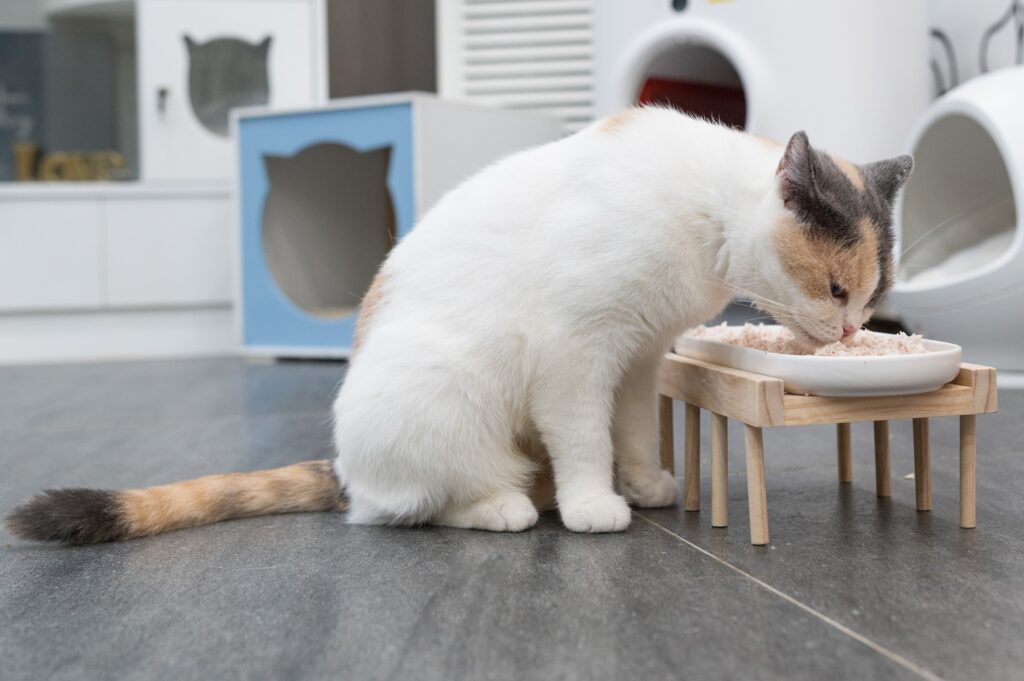
arri valinsky/iStock / Getty Images Plus via Getty Images
Megaesophagus in cats is a condition that impacts the muscles that control the esophagus, or tube that carries food from the mouth to the stomach.
Regurgitation is the most common symptom, which is a passive expulsion of food from the mouth and is often confused with the active process of vomiting.
After a diagnosis is made by your veterinarian, there are multiple treatment options to discuss depending on the underlying cause.
Key Takeaways
- Megaesophagus in cats disrupts the normal movement of food through the esophagus due to muscle dysfunction.
- Regurgitation, not vomiting, is the primary sign of megaesophagus in cats and can lead to serious complications like aspiration pneumonia.
- This condition can be congenital or acquired and is diagnosed through radiographs and other tests.
- Treatment focuses on managing symptoms with medications, dietary adjustments, and sometimes surgery.
What Is Megaesophagus in Cats?
The esophagus is a muscular tube that connects the throat (pharynx) to the stomach.
In cats, most of the esophagus is smooth muscle. However, the last third of the esophagus is made up of striated muscle—the same muscle type found in the arms and legs.
These muscles contain nerves that communicate to the brain and send a response back to the muscle telling it to relax or contract.
A sphincter at the beginning of the esophagus remains closed until it receives the signal to open, allow food to pass, and close again. The muscles of the esophagus dilate ahead of the food while simultaneously contracting behind it.
This moves the food forward in a process known as peristalsis. The sphincter near the stomach remains closed to protect the esophagus from gastric digestive enzymes—until the signal is received to open and allow the food to enter the stomach.
Megaesophagus means there is a dilation (stretching) of the diameter of the esophagus and a functional problem with the inability of esophageal muscles to appropriately move liquid and food down into the stomach. This is known as hypomotility.
Types of Megaesophagus in Cats
There are two types of megaesophagus in cats but overall, the condition is rare in cats:
-
Congenital megaesophagus: May be present at birth and due to an underlying medical condition. Symptoms are usually recognized in young kittens.
-
Acquired megaesophagus: Develops later in life typically due to unknown reasons. This type of megaesophagus can occur in cats of any age but symptoms primarily occur in adult to older cats.
Symptoms of Megaesophagus in Cats
The most common clinical sign of megaesophagus is regurgitation—which differs from vomiting.
Regurgitation is a passive response that expels the contents from the esophagus, usually before the food reaches the stomach. Regurgitation can be delayed for several hours, or it can occur shortly after eating.
Many times, the regurgitated food can still be expelled in a tubular form and appear undigested.
If the megaesophagus is related to a neurological condition, neurological signs like generalized muscle weakness, muscle wasting or atrophy, and pain may be noted.
Pet parents may notice that their cat has difficulty breathing (dyspnea), a cough, or a fever, which may also suggest aspiration pneumonia, a common complication of megaesophagus.
Pneumonia or any type of breathing difficulty in your cat is considered a medical emergency. Contact your vet or nearest emergency vet if your cat is having trouble breathing.
Causes of Megaesophagus in Cats
Megaesophagus is less common in cats than dogs.
When it comes to congenital conditions that cause megaesophagus, Siamese cats are predisposed to megaesophagus and frequently also have a gastric emptying disorder.
Cats can have esophageal obstructions that lead to megaesophagus. Esophageal foreign bodies from hunting (avian or fish bones) or playing (needles, string, fishhooks) are not common in cats, but they could lead to a stricture (narrowing) of the esophagus due to inflammation.
Another obstructive congenital condition that can cause megaesophagus is a vascular ring anomaly. The most common is a persistent right aortic arch (PRAA). This is a complex condition that requires surgery.
Secondary acquired megaesophagus may be related to the following health issues:
-
An obstruction in the esophagus from a
-
Stricture or a narrowing in a specific area
-
Foreign body
-
Tumor
-
Polyp
-
-
A condition associated with the nervous system, such as
-
A disease involving the brain or central nervous system (CNS)
-
A neuromuscular disease (a problem with the stimulation of the nerves) in the esophagus
-
A generalized neuromuscular condition, such as myasthenia gravis
-
Infectious diseases, such as botulism
-
Toxins, such as organophosphates (chemicals found in some flea collars and insecticides) and lead
-
How Veterinarians Diagnose Megaesophagus in Cats
Your vet may initially perform a radiograph or X-ray to diagnose megaesophagus.
A radiograph of the thorax (chest) will evaluate the esophagus, while the stomach and intestines will be visible within the abdomen. Your vet may recommend both images to fully evaluate the gastrointestinal system, especially if your cat presents suspected vomiting or regurgitation.
If your vet sees a dilated esophagus on the X-ray, that confirms megaesophagus. However, megaesophagus can be secondary to an underlying medical condition that may not be possible to diagnose via X-ray.
Further testing will be needed to determine what caused the megaesophagus and recommend the appropriate treatment.
Treatment of Megaesophagus in Cats
There is no cure for megaesophagus, it can only be managed. Management of the condition depends on the underlying condition and how long it’s been active before the problem is addressed.
Possible treatments for megaesophagus in cats may include the following:
Medications
Cisapride and metoclopramide are motility drugs that are often discussed to manage the hypomotility associated with megaesophagus (help with the movement of muscle).
benefits may be questionable as part of the esophagus is also made up of striated muscle.
Medications that suppress the immune system (immunosuppressive drugs) may be used for conditions like dysautonomia and myasthenia gravis which cause the immune system to overreact.
Surgery
Surgery may be recommended if there is a mass or other obstruction, such as a foreign body or vascular ring anomaly, that is contributing to the megaesophagus. Surgery cannot correct a motility problem, however.
There are certain cases where veterinarians have recommended a feeding tube to bypass the esophagus if the megaesophagus is temporary and related to another condition, but this is not a long-term solution.
Historically, surgery to correct megaesophagus in dogs and cats was not recommended. However, the University of Missouri is evaluating the use of Botox and a specialized ballooning procedure in a specific subset of dogs with megaesophagus.
Megaesophagus continues to be an area of veterinary research to help understand the condition, develop new treatment options, better manage the condition, and one day have successful surgical outcomes.
How Do You Feed a Cat with Megaesophagus?
Megaesophagus requires a large amount of medical care at home. Pet parents must change how they feed their cat by using elevated food dishes, such as Frisco’s Elevated Ceramic Double Diner Bowls and keeping pets upright following meals.
If your cat can tolerate using a Bailey Chair, this can help keep them upright after eating their meals.
Special preparation of food can include blending dry or wet food with water into a watery consistency and feeding small, frequent meals throughout the day. Typically, cats with megaesophagus are recommended to eat a gastrointestinal diet like Hill’s Prescription Diet i/d Digestive Care.
Recovery and Management of Megaesophagus in Cats
Megaesophagus can often lead to aspiration pneumonia, where food and liquids are inhaled into the lungs that creates a secondary infection.
The presence of an aspiration pneumonia indicates a poorer prognosis, as this complicating condition can happen more than once.
In cases of congenital megaesophagus, symptoms of regurgitation are usually present at the time of weaning, when solid foods are started.
Acquired forms are most often found in young to middle-aged adults. The quality and duration of life with megaesophagus depends on the form and underlying condition, as well as the presence of aspiration pneumonia.
Megaesophagus in Cats FAQs
Can megaesophagus in cats be cured?
Congenital or primary megaesophagus in cats cannot be cured. It is a disease that must be managed.
What is the prognosis for megaesophagus in cats?
Unfortunately, due to the complications with aspiration pneumonia and malnutrition, cats with megaesophagus are considered to have a poor prognosis for long-term survival.
How long can a cat live with megaesophagus?
Depending on the underlying cause of the megaesophagus in cats, they can live from a few days to years. Congenital megaesophagus is usually associated with a worse prognosis since it involves a condition present at birth and needs to be managed for life.
References
-
Animal Surgical Center of Michigan. Persistent Right Aortic Arch.
-
Mace, S. Megaesophagus. Compendium. Continuing Education for Veterinarians. Feb 2012.
-
Sherding, Robert. Veterinary Information Network. Diagnosis and Management of Feline Esophageal Disease. 2001
-
Tilley, Larry P and Francis W.K. Smith, Jr. The 5-Minute Veterinary Consult. 3rd ed. Lippincott Williams and Wilkins; 2004.
-
Mitchell, Kelly D. Diagnosing and treating esophageal diseases in dogs and cats (Proceedings). July 2010.
-
Couto, C. Guillermo and Richard W. Nelson. Small Animal Internal Medicine. 3rd ed. Elsevier Health Sciences Division; 2003.
-
University of Missouri Veterinary Health Center. Canine Idiopathic Megaesophagus.


