Why Do Cats Lie On Your Chest?


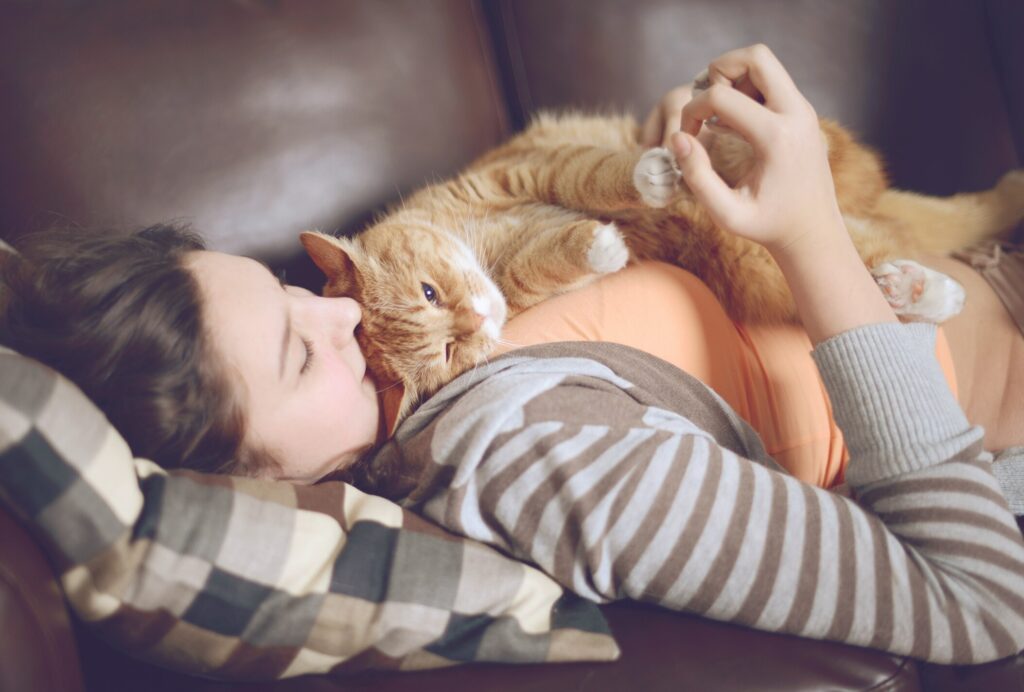
elenaleonova/iStock/Getty Images Plus via Getty Images
Many cat parents have woken up in the morning to find their feline resting on their chest, usually purring and slow blinking.
While it may be somewhat uncomfortable to have a cat sleep on your chest because of the pressure of their body, most cats do this for positive reasons, such as bonding with their humans and seeking comfort from their human’s body heat, breathing, and heartbeat.
Key Takeaways
- Cats often lie on your chest because it feels safe and secure.
- Your warmth, heartbeat, and breathing can be soothing to your cat.
- Chest-sleeping can be a sign of affection and strengthen your bond with your cat.
- If this behavior is new or sudden, it can signal stress or illness, and you should talk to your vet.
Why Does My Cat Lie on My Chest?
Because cats are both prey and predators—meaning that in the wild they hunt smaller animals and are hunted by larger ones—they have a natural tendency to stay on high alert.
As such, cats often seek out safe, secure locations to rest where they know they won’t be at risk from potential threats. Often, this means being close to the people they know and trust most.
Cats often choose to lie on larger, flat surfaces on their humans, such as chests and laps, for convenience and comfort. Your chest has the added benefit of being close to your heart and lungs, so your cat can be soothed by your breathing and heartbeat. This makes it an especially nice place for them to rest.
In turn, this close contact helps your cat feel mentally and physically secure and can strengthen the bond between you.
9 Reasons Why Cats Like To Lie on People
1. You Offer Safety and Security
You are often one of your cat’s most reliable sources of comfort and security. Cats seek out places to rest where they know they will be safe from threats, and being close to your chest helps your cat feel protected.
They know you will shield them from larger predators or things that cause them fear and anxiety in daily life, such as loud noises, new people, or unusual smells.
At the very least, being close to you may help your cat feel less anxious because physical closeness can increase oxytocin, a feel-good bonding hormone.
2. They’re Showing Affection
Cats are social creatures. One way cats in a social group show affection to one another is through physical closeness. Your cat sleeping on your chest may mean they love you and consider you part of their family group.
3. To Share Body Heat
If you live in an area that experiences winter weather, you may notice your cat lying on your chest more during colder months.
Cats naturally seek sources of warmth when they’re feeling chilled, and your chest provides a perfect place to rest that’s both safe and warm from your natural body heat. Make sure your cat has access to warm beds and blankets during cold weather.
Senior cats or sick cats may seek out your body heat during other times of the year, too, since they may be less able to regulate their own body temperature.
4. To Hear Your Heartbeat and Breathing
Cats, as social creatures, are soothed by being around close family members. This includes listening to and feeling the rhythmic beating of your heart and the rise and fall of your chest.
Just as a cat’s purr can soothe us and promote healing, our breathing and heart rate can soothe our cats and remind them of being with their mothers and littermates as kittens.
5. They’re Leaving Their Mark
A big part of cat social behavior is sharing a “colony scent” that identifies each member as part of the group.
Cats have scent glands all over their body, including their paw pads, cheeks, and head. When your cat settles onto your chest, they may transfer scent from those areas onto you, marking you as part of their colony. This can increase feelings of security because smelling their own scent on you helps your cat identify you as theirs and feel at ease.
6. They Want Attention
Another very practical reason your cat may lie on your chest is for attention.
When your cat is on your chest, it can be difficult to ignore them for very long. So it’s often an effective way for them to get what they need, whether that’s food, treats, petting, or playtime.
7. They’re Curious
You may notice your cat lying on your chest more when you’re wearing a particular outfit or wrapped in a particular blanket. Your cat may simply be curious about the texture or smell of the fabric or enjoy the way it feels. You may even notice them kneading the fabric before settling in.
8. It’s a Sign of Trust
Being very close to another creature, whether human or animal, is inherently risky for cats as both prey and predators. They often don’t remain stationary for very long in places where they think they could be attacked.
As such, a cat choosing to lie on your chest means they trust you a lot. They know you won’t hurt them, and they can fully relax.
9. They’re Stressed or Sick
Lying on your chest could also mean your cat isn’t feeling well, especially if it’s not normal behavior for them.
There are a variety of illnesses that could make your cat want to spend more time soothing themselves by lying on your chest, including:
You may also notice your cat lying on your chest more during major life changes, such as adding new family members to the home, moving, severe weather, or construction.
Always talk to your veterinarian about any behavior changes in your cat.
Is It OK for a Cat To Lie on My Chest?
For most healthy people, it is OK for a cat to lie on their chest unless it becomes uncomfortable.
People who may want to limit or prevent their cat from lying on their chest include those with allergies, breathing difficulties, or a compromised immune system. If your cat routinely interrupts your sleep by lying on your chest, you may also want to discourage the behavior.
There are several ways to redirect your cat to prevent them from lying on your chest:
-
Set out some used clothing with your scent on it that may attract your cat to lie there instead of on your chest.
-
Designate a special bed or window perch that feels quiet, secluded, and secure.
-
Redirect them to another part of your body, such as your lap, if that’s what you prefer.
You may need to encourage your cat to use these alternative spots with clicker training and treats, allowing them to explore the new area and then clicking and rewarding them when they use it instead of your chest. This may take some time, but eventually your cat should begin using their new resting place consistently.
FAQs About Why Cats Lie on Your Chest
What does it mean if my cat keeps lying on my chest?
Cats may lie on your chest for many reasons. They could be seeking warmth and comfort, curious about your clothes, marking you with their scent, looking for attention, or feeling stressed or unwell.
Is it safe for my cat to lie on my chest?
For most people, it’s safe to let a cat sleep on their chest. People who may want to avoid this include those with breathing difficulties, cat allergies, immune system disorders, or anyone whose sleep is regularly disrupted by their cat.
Why do cats lie on your chest in the morning?
If your cat is seeking warmth, a human who has been snuggled under blankets all night is an appealing choice.
Your cat may also lie on your chest more in the morning because they’re happy to reunite with you after you’ve been asleep all night. Another possibility is that your cat has learned that morning is a good time to rest on your chest because you’re still lying in bed and available for attention, petting, or breakfast.


