What Is Flea Dirt, and How Do You Get Rid of It?


Sergii Kolesnikov/iStock / Getty Images Plus via Getty Images
Flea dirt is flea feces (poop) made of digested blood, and finding it on your pet is a clear sign that fleas are present—even if you don’t see the fleas themselves.
Flea dirt looks like tiny black or dark brown specks, similar to ground black pepper. It’s commonly found on dogs, cats, and other warm-blooded animals.
If you notice flea dirt on your pet, it means fleas have already fed and been present long enough to digest a blood meal.
Key Takeaways
- Flea dirt is not actually dirt—it's waste that contains digested blood from the flea’s host.
- Flea dirt does not directly cause disease, but it is a sign of a serious flea infestation.
- Treatment requires both flea removal and ongoing prevention.
- Ask your veterinarian about veterinary-approved flea medications.
What Is Flea Dirt?
Flea dirt is not dirt, but flea waste material (flea poop) that contains digested blood from the flea’s host (a cat or dog). Flea dirt looks like black pepper.
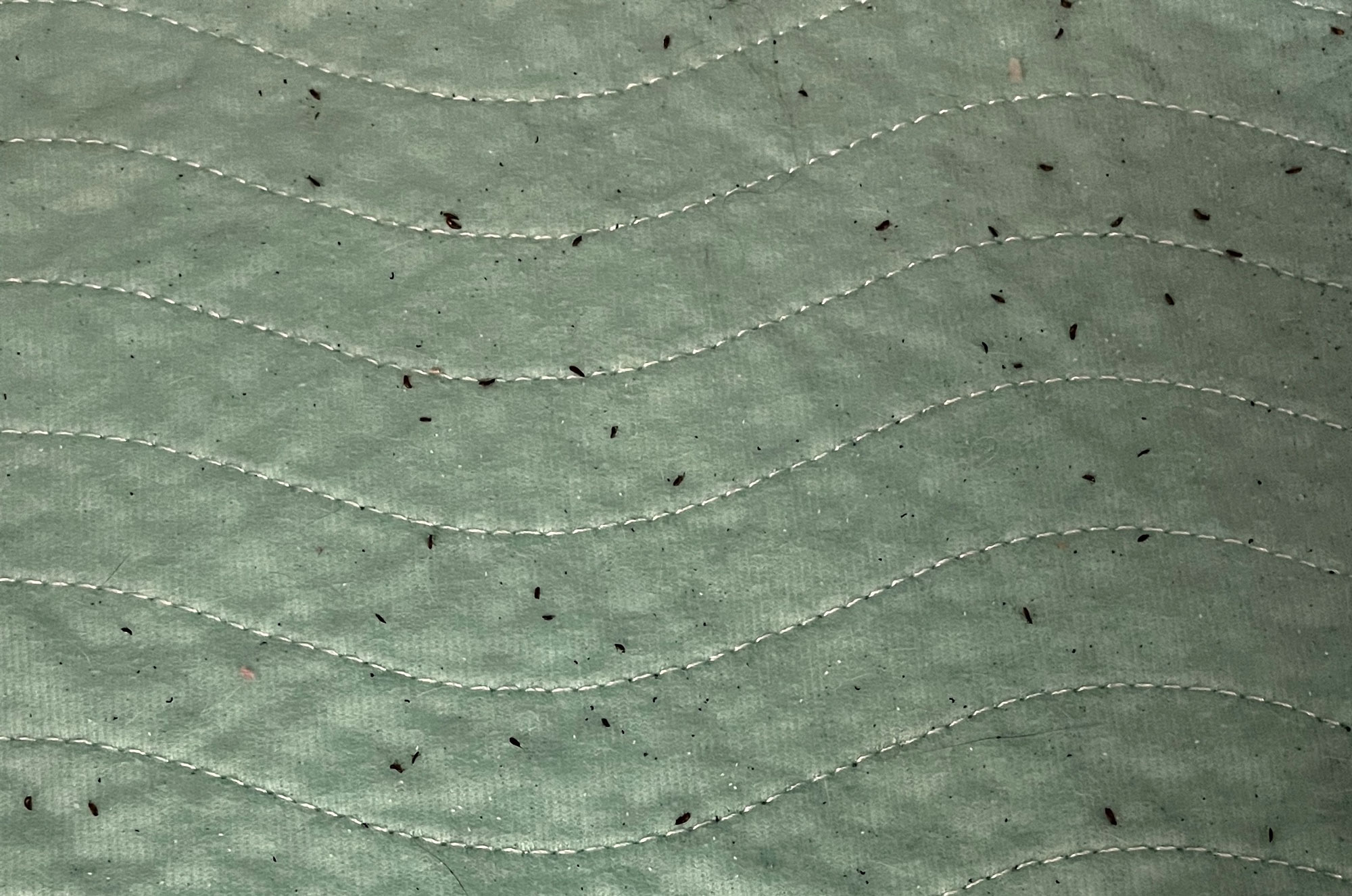
Finding flea dirt on your four-legged companion means they have fleas, and the unwanted pests have been there long enough to consume and digest a blood meal.
While cats and dogs are common hosts, flea dirt can also be found on rabbits, guinea pigs, ferrets, and other warm-blooded mammals, including local wildlife like squirrels, raccoons, and opossums.
If your pet is itchy and you see flea dirt, it confirms that fleas are present.
They may be hiding in your cat’s thick fur or in the crevices of your dog’s ears or tail base, or in any other warm, dark area of their body.
Can Flea Dirt Cause Disease in Pets and Humans?
Flea dirt does not directly cause disease, but it is a sign of a serious flea infestation. Finding flea dirt early can help you address the flea problem before serious health issues occur.
The fleas that produce the flea dirt can carry diseases that are dangerous to pets and people.
Fleas can transmit several diseases, including:
-
Flea-borne typhus
In addition, some dogs and cats are allergic to flea saliva and develop flea allergy dermatitis (FAD), an intensely itchy reaction to flea bites.
Since fleas ingest blood, a severe infestation can lead to anemia, especially in young puppies and kittens.
What To Do If You See Flea Dirt
If you suspect your pet has flea dirt, use this easy trick to confirm:
-
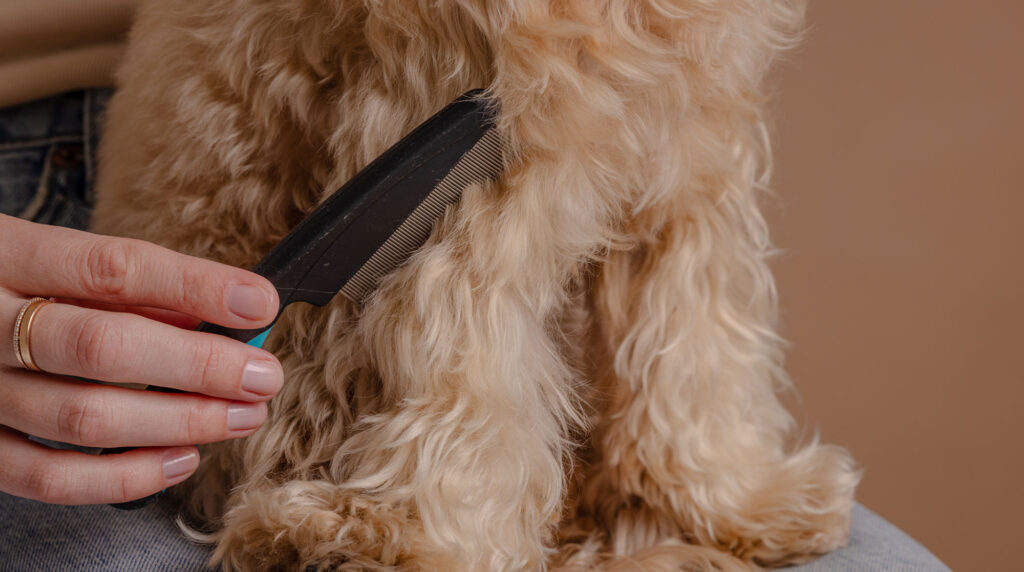
Using a flea comb or other fine-toothed comb, brush the area where you see black specks to remove some specks and any loose hair or skin debris.
-
Wet a plain white paper towel and place the debris and suspected dirt on it (color is important for visibility.)
-
Crush the black debris into the wet white towel. If red staining appears, the debris is most likely flea dirt.
Once you confirm the black specks are flea dirt, you should start treatment to eliminate the fleas. Even if you don’t see any fleas, the presence of flea dirt confirms they are hiding somewhere.
How To Get Rid of Flea Dirt
To get rid of flea dirt, thoroughly brush your pet with a flea comb and bathe them to remove as much flea dirt (and as many fleas) as possible. You can use Dawn dish liquid or a species-specific flea shampoo. Be careful when choosing a shampoo—some products labeled for treating fleas in dogs are toxic to cats.
Next, you’ll want to use a veterinary-approved flea treatment to kill any remaining fleas and prevent reinfestation.
Options include oral medications (such as chews and chewable tablets), topical liquids that are applied to the skin, and flea collars. Note that topical products usually need to be applied 48 hours before or after bathing.
Whatever product you use, it's important that it's specifically formulated for your pet’s species—never use a dog flea treatment on a cat, or vice versa.
For example, Credelio Quattro is a monthly chew for dogs that starts to kill adult fleas in four hours and kills more than 99% of fleas within eight hours of administration. Available by prescription, it also protects dogs against ticks, heartworm disease, roundworms, hookworms, and three species of tapeworms.
One option for cats is Credelio CAT, a chewable tablet that starts killing fleas within six hours and continues to protect against fleas for a full month.
Because immature fleas can remain in the environment and hatch into adults, it can take several months of diligent work to eliminate all fleas from the environment.
Treating all pets in the house and eliminating fleas from your home and yard are essential steps to prevent reinfestation. If the flea dirt persists despite your efforts, contact your veterinarian for assistance and consider calling an exterminator for additional help.
How To Prevent Fleas and Flea Dirt on Pets
The easiest way to prevent flea dirt is to prevent your pet from getting fleas. Using year-round flea prevention is the most reliable way to prevent fleas.
Prescription flea preventives last anywhere from a month to 12 weeks. Adding additional prevention with a flea collar or regular bathing can also help.
Keeping your home clean and maintaining your yard can help prevent flea infestations as well. If you have wildlife or small mammals in your yard, routine flea extermination may be needed to prevent these parasites from infesting your pets.
Flea Dirt FAQs
Why do I see flea dirt but no fleas?
If you see flea dirt on your pet but no fleas, the fleas may have recently been removed by grooming, bathing, or administration of flea prevention medication.
Even though you might not see fleas, finding flea dirt means your pet has fleas or that fleas are in their indoor and/or outdoor environment. Treatment should begin as soon as possible for all pets and their indoor and outdoor environments.
Does flea dirt mean an infestation?
Most of the time, flea dirt is an indication of a flea infestation. Fleas must be present long enough to take a blood meal for flea dirt to be present.
Most fleas will defecate flea dirt while they ingest blood from the host.
How do you get rid of flea dirt?
To get rid of flea dirt, bathe your pet in Dawn dish liquid or a species-specific flea shampoo. Using a flea comb can also help remove flea dirt. Ask your veterinarian about fast-acting medications that kill fleas.
To prevent reinfestation, use a veterinary-approved flea prevention medication year-round.
Ultimately, you must treat all pets in your home and their environment to successfully get rid of fleas and flea dirt.
Is flea dirt harmful to humans?
Flea dirt itself is not harmful, but it is an indication of a flea problem, which can be harmful to humans.
Fleas can transmit many diseases, such as cat scratch fever, tularemia, and typhus, to pets and people.


