What Can I Give My Dog To Ease Occasional Constipation?


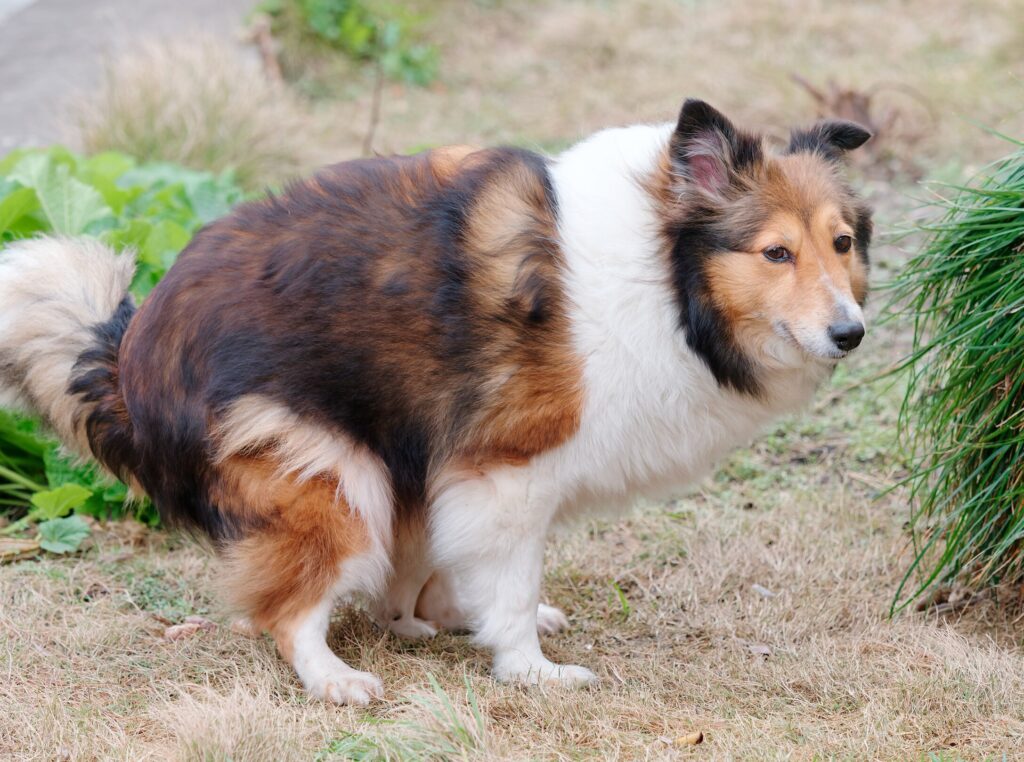
yanjf/iStock / Getty Images Plus via Getty Images
If your dog is having trouble pooping or isn’t pooping as often as they usually do, they could be constipated. At-home remedies for dog constipation, such as increasing their water intake, offering fiber-rich food, and encouraging gentle exercise, may help them poop.
While occasional constipation may improve with simple changes at home, some dogs need veterinary treatment to feel better. If your dog is straining to poop, vomiting, showing signs of pain, or hasn’t pooped in 48 hours, contact your veterinarian.
Key Takeaways
- Dog constipation occurs when stool becomes hard and dry, making it difficult for your dog to pass feces during a bowel movement.
- Common symptoms of dog constipation include passing small amounts of hard stool, straining, whining, and, in more serious cases, vomiting, a bloated abdomen, or blood in the stool.
- At-home remedies for mild dog constipation include increasing their water and fiber intake, and encouraging gentle exercise.
- Severe dog constipation may require veterinary treatment, such as prescribed medications, enemas, or manual removal of impacted stool.
- Contact your vet if your dog hasn't pooped in 48 hours or is straining to poop. Seek emergency care for vomiting, significant pain, weakness, or a swollen abdomen.
How Can I Tell if My Dog Is Constipated?
Dog constipation occurs when a dog has difficulty passing normal stools on a regular basis. Constipated dogs may strain during bowel movements or pass small, hard, dry feces.
Mild dog constipation may respond to home remedies, while more severe cases require veterinary care.
Signs of mild constipation in dogs include:
- Straining to poop or taking longer than normal to poop
- Showing mild discomfort while pooping (walking while in a hunched position, whining or crying/yelping, looking back at their hind end frequently)
- Producing small amounts of feces that are harder than normal
Signs of severe constipation in dogs include:
- Showing increased discomfort while pooping (pacing, unproductive straining, panting, looking at or licking their belly)
- Vomiting
- Lack of appetite
- Your dog has not pooped for more than 48 hours
- Weakness or lethargy
- Distended belly (seems larger than normal)
- Blood in your dog’s stool
Occasionally, dogs who are constipated can pass small amounts of liquid stool that may contain mucus. This is often mistaken for diarrhea but is actually liquid feces or mucus that have squeezed around a firm stool stuck in the bowels.
If your dog is showing severe symptoms of constipation, bring your dog to the veterinarian immediately. Constipation can affect a dog’s entire body and cause permanent damage to their gastrointestinal (GI) tract. Also, constipation can sometimes indicate an intestinal blockage or another serious health condition that needs prompt treatment.
How To Help a Constipated Dog
If your dog is showing mild constipation symptoms but is otherwise eating, drinking, and acting normally, at-home constipation remedies may help get things moving again. These include boosting hydration, feeding them fiber-rich food, offering probiotic supplements, and providing gentle exercise.
Not every dog constipation treatment is appropriate for every dog, so contact your veterinarian before making significant dietary changes or introducing supplements.
Increase Your Dog’s Water Intake
Dehydration can cause dog constipation. When a dog is dehydrated, their body reabsorbs as much water as possible from the feces. This causes hardening of the stool, making it difficult for a dog to pass it. Increasing your dog’s water intake can help provide constipation relief.
- Make sure your dog always has access to fresh water. Dog water fountains can be helpful to entice pets to hydrate throughout the day.
- Try elevated water bowls for easier drinking. An elevated water bowl means your dog doesn’t have to bend down to drink water (do so with caution if you have a large breed, as these dogs are prone to bloat).
- Place multiple water bowls or fountains around your home for easier access. This is especially important for dogs who have trouble getting around due to arthritis or other mobility issues, as they may not feel like making the effort to visit the water bowl.
Offer Canned Food
Feeding your dog canned food or mixing a small amount of water into dry food can help provide your constipated dog with extra hydration.
The added moisture in the food helps to moisten the stool as it forms within the digestive tract. Added hydration and softer stool can make it easier for a constipated dog to pass stool with less discomfort.
There’s also a natural body reflex called the gastrocolic reflex, which can be beneficial for constipated dogs. This reflex will encourage the colon to move stool along once a dog has a full stomach of food after eating.
Although it might sound counterintuitive, ensuring your dog continues to eat will help them to form stool and have a normal bowel movement.
Use Probiotic Supplements
An over-the-counter probiotic supplement for dogs, such as Purina Pro Plan Veterinary Diets FortiFlora, can help support normal bowel function. Probiotics help maintain good bacteria in your dog’s intestinal tract, supporting normal bowel functions and healthy digestion.
Add Fiber to Their Diet
Adding fiber to your dog’s diet can be tricky; it can help some cases of dog constipation but worsen others. Talk to your vet about adding fiber to your dog’s diet before doing so.
A few common additions that your vet may recommend include:
Leafy Greens
Kale, spinach, and broccoli are all greens that have higher fiber contents. However, offer these with caution—they can also cause gas and flatulence.
While these foods might help, they are not necessarily foods that most dogs will readily eat.
Pumpkin Puree
One common recommendation to help dog constipation is to feed your pet canned pumpkin.
Small dogs can typically get 1 teaspoon of canned pumpkin mixed in with each meal. Larger dogs can often handle up to 1 tablespoon or so.
Be sure you’re using plain, 100% canned pumpkin—not pumpkin pie filling.
Fiber Powder
Another option your vet may discuss could be psyllium (unflavored Metamucil) or a fiber powder. Dosing will vary based on the size of your dog and the potential severity of their constipation.
High-Fiber Diets
You could also consider switching your dog to a high-fiber diet. There are some over-the-counter diets formulated to offer high fiber and digestive support to dogs. Your veterinarian can also recommend high-fiber veterinary diets, which require vet authorization.
Encourage Regular Exercise
Exercise promotes normal movement within the gastrointestinal (GI) tract and can aid in relieving dog constipation.
If your dog is a little backed up, consider taking them for an extra walk in the morning or afternoon—be sure they are well-hydrated first. Short, frequent walks may help stimulate movement of feces.
Exercise combined with the smells of other dogs who have defecated in the area might just do the trick for your constipated dog. Playtime and regular exercise are helpful to move stool along, as they promote blood flow to the digestive tract, which can help promote healthy bowel movements.
Trim Hair Around the Rear End
Look at your pet’s bottom—sometimes the problem preventing your dog from passing stool will be obvious.
Long-haired dogs are at risk for developing mats of fur that can completely cover the anus and make it impossible for your dog to poop. You may find feces stuck in these mats.
You can try removing the mats with electric dog grooming clippers (not scissors, which can accidentally cut your dog). If you can’t remove the matting, call your veterinarian or a groomer.
If you see any other abnormalities (anything sticking out of the anus, swelling or redness around the anus, or a tumor), take your dog to the veterinarian immediately.
Do not remove any foreign material or stool sticking out from your dog’s anus on your own, as this can cause trauma to the rectum or GI tract.
What Not To Do
Do not give your dog a laxative, stool softener, or enema unless your veterinarian specifically directs you to do so. Human constipation medications can be harmful to dogs when used incorrectly.
When To See Your Veterinarian for Dog Constipation
A normal, healthy dog can go 12–24 hours without a bowel movement in certain circumstances. If your dog has not had a bowel movement in 48 hours, then it's time to consider a trip to your vet for an exam and diagnostic testing.
A vet visit is needed sooner than 48 hours if:
- Your dog is straining or only producing small, dry fecal balls. This is not only a sign of pain, but can also be a sign that an obstruction is occurring.
- You notice any blood from the anus
- Your dog is not eating
- Your dog is displaying other signs of pain
- Your dog is vomiting
When in doubt, it’s always best to have your dog evaluated by their veterinarian—sometimes constipation can be the tip of the iceberg of a much bigger problem.
What Dog Constipation Treatment Might a Vet Recommend?
Veterinary treatment depends on the severity and underlying cause of constipation.
Your veterinarian may recommend dietary adjustments, hydration support, or medications to help your dog pass stool. In more severe cases, treatment may involve an enema or manual removal of impacted feces at the veterinary clinic.
Some dogs may need diagnostic testing to check for an obstruction or another medical condition.
What Can I Give My Dog for Constipation FAQs
Can I give my dog a laxative?
Never give your dog a laxative unless it is directly prescribed by your veterinarian. Some laxatives may be used as part of veterinary treatment, but the wrong medication or inappropriate usage can cause harm, especially if your dog has an intestinal obstruction.
Can I give my dog a stool softener?
A veterinarian may recommend a stool softener for certain dogs with constipation, but you should not give one without veterinary guidance. The appropriate treatment depends on your dog's condition and the underlying cause of their constipation.
Can I give my dog an enema?
Do not give your dog an enema at home unless specifically directed by your veterinarian. Most dogs will need to have something to relax their muscles before an enema. Trying to give one to your dog at home, without medical guidance, can cause you to tear the inside of the rectum or result in other injuries.
How can I make a constipated dog poop quickly?
If your dog is constipated, unfortunately, there is no quick fix. Depending on the degree of constipation, your vet may recommend oral medications, or your dog might need an enema or manual removal of the feces at the veterinarian’s office.
How long can dogs go without pooping?
A healthy dog can go up to 12–24 hours without having a bowel movement. If your dog has not had a bowel movement in 48 hours, then it’s time to go to the vet.
What do I feed a constipated dog?
A constipated dog should eat a well-balanced, high-moisture, high-fiber diet. Probiotic supplements may also help a constipated dog maintain a healthy digestive system.
What should I do if my dog hasn’t pooped in two days?
If your dog has not pooped in two days, they should see their vet for an exam. If they are straining to poop and have diarrhea, they can still have firm impacted stool inside, indicating serious constipation or even an obstruction.


