Does Your Dog Need a Lyme Vaccine?

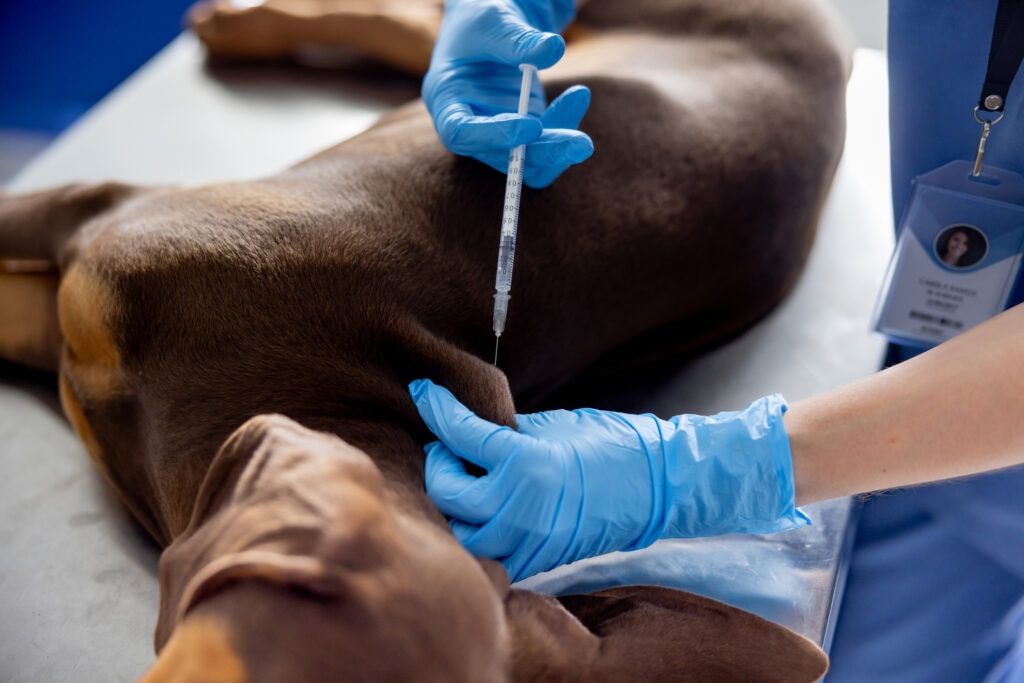
Hispanolistic/E+ via Getty Images
There are two kinds of dog vaccines—core vaccinations and noncore vaccines.
Core vaccinations, like rabies and distemper, are required (sometimes by law) to keep your dog protected from some serious and potentially lethal diseases.
Noncore vaccines may be recommended by a veterinarian based on your dog’s individual lifestyle or health status. One of these noncore vaccinations is the Lyme vaccine for dogs.
Understanding how the vaccine works—and whether your dog is considered high risk—can help you decide if this protection is right for your pet.
Key Takeaways
- The Lyme vaccine helps to protect dogs who are exposed to blacklegged ticks carrying Lyme disease.
- Dogs in high-risk areas or those spending lots of time outdoors benefit most from the Lyme vaccine
- Even with vaccination, dogs should stay on year-round flea and tick prevention. The Lyme vaccine is not 100% effective and doesn’t protect against other types of tick-borne diseases.
- Your veterinarian can help determine whether your dog needs the Lyme vaccine, based on their health and lifestyle.
What Does the Lyme Vaccine Do?
The Lyme vaccine helps to prevent Lyme disease in dogs, a bacterial infection that’s transmitted by blacklegged (aka deer or Ixodes) ticks that tend to live in woods and tall grasses in many parts of the country.
The Lyme vaccine for dogs is ideally given before a dog is bitten by a blacklegged tick carrying Borrelia burgdorferi, the bacteria that cause Lyme disease.
The vaccine will prime the immune system to be better able to protect your pup from this disease. However, vaccinating dogs who have already been exposed to the disease can also be beneficial by helping to prevent reinfections.
Which Dogs Are More at Risk for Lyme Disease?
So what are the risk factors for Lyme disease in dogs? Here are some things to keep in mind when deciding whether to get the Lyme vaccine for your dog.
Where You Live
The Northeastern United States has the highest risk of exposure to Lyme disease in dogs. Other high-risk areas include the mid-Atlantic states and the upper Midwest. However, the disease is spreading.
Dogs who test positive for Lyme disease come from all over the U.S., according to this map from the Companion Animal Parasite Council.
Out of about 10 million dogs who were tested, some 4% came up positive for Lyme disease. But in some counties, nearly 20% of the dogs tested had been exposed.
The Amount of Time Your Dog Spends Outdoors
Dogs who spend more time outdoors or who are regularly exposed to wooded or grassy areas are at higher risk of Lyme disease exposure. These dogs with higher potential for exposure would benefit the most from the Lyme vaccination for dogs.
That doesn’t mean that city or suburban pets shouldn’t get the vaccine, but they have a lower risk—particularly if they’re on routine prescription flea and tick prevention and never miss a dose.
Why You Should Still Use Flea and Tick Prevention
Although getting your dog a Lyme vaccination will reduce their risk of Lyme disease, it’s not the all-in-one solution to prevention. You still need to keep your dog on flea and tick medication, and keep them on it all year long.
The Lyme Vaccination for Dogs Isn’t Foolproof
Like all vaccines, the Lyme vaccine is not 100% effective. While the shot does reduce the risk that a dog will develop Lyme disease, it can't bring it down to 0%, which is why flea and tick preventives still play an important role in protecting dogs from this disease.
Additionally, the Lyme vaccine does not protect against other tick-borne diseases such as ehrlichiosis or Rocky Mountain spotted fever, for which there are no vaccines. This is another reason why your dog should always be on flea and tick medication regardless of their Lyme vaccine status.
Indoor Dogs Can Still Get Ticks and Lyme Disease
If your dog doesn’t spend a ton of time outside, that doesn’t mean they are completely safe from tick exposure.
Even in the short time your dog goes outside to relieve themselves, ticks can still bite. It's also possible for ticks to hitch a ride into the house on your clothing, then attach to your dog.
OTC vs. Prescription Flea and Tick Medicine
Many flea and tick preventives require a prescription, so vets can make sure your dog is getting the right medication and dosage.
It’s important to chat with your vet about what type of flea and tick medication makes sense for your dog, depending on their health, age, weight, and risk factors.
No matter what type of preventive flea and tick medicine for dogs you choose, what’s important is that it is used year-round, particularly where Lyme disease is a concern.
Deer ticks can remain active through the winter months, so it is very important that you keep your pet protected all year.
Also, don’t be surprised if you still see a tick on your furry friend even with protection. Some products can’t repel every single tick (a good reason to do tick checks on your dog after going outdoors), but they still do kill the bugs before they have a chance to infect your dog.
Always keep a flea comb and a tick removal tool nearby when checking your pup for ticks so that you can safely remove them.
If, however, you are finding significant numbers of ticks on your dog, talk to your veterinarian about more aggressive tick control methods.
Your Veterinarian Will Decide If the Lyme Vaccine Is Right for Your Dog
Your veterinarian is your best resource for deciding if your dog is a good candidate for the Lyme vaccination for dogs. So before you sign your pup up for this immunization, talk with your vet about your pet’s lifestyle and risk level for Lyme disease.
Most dogs won’t have side effects with this shot, and if they do they are mild ones, like feeling tired or sore at the site of the injection. If your dog has a history of severe reactions after vaccines, chat with your vet.
Does Your Dog Need a Lyme Vaccine FAQs
Is the Lyme vaccine necessary for all dogs?
No. It’s recommended based on risk level. Dogs in endemic areas or with high outdoor exposure are more likely to need it.
How often does my dog need the Lyme vaccine?
Most dogs receive an initial series, followed by annual boosters. Your vet will set the schedule.
Can my vaccinated dog still get Lyme?
Yes—rarely. The vaccine reduces risk but isn’t 100% effective, which is why year-round tick prevention is still required.
Does my dog need Lyme shots if we only travel occasionally?
Possibly. Even short trips to high-risk regions may warrant temporary protection.


