Are Essential Oils Safe for Dogs? 7 To Use and 12 to Avoid


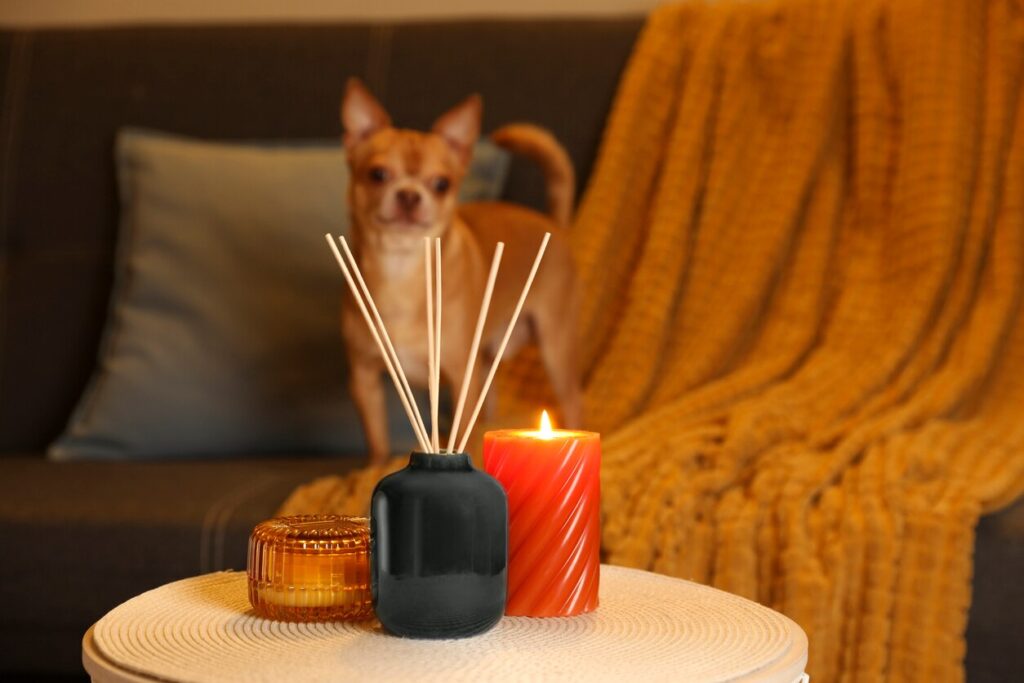
Liudmila Chernetska/iStock / Getty Images Plus via Getty Images
Essential oils are not always safe for dogs. Some oils can be toxic if inhaled, ingested, or absorbed through the skin, while others may be less risky when used properly.
Before using any essential oil around your dog, it’s important to understand which oils may be safer, which oils should be avoided, and how to reduce the risk of accidental poisoning.
Key Takeaways
- Not all essential oils are safe for dogs.
- Some oils, such as lavender and chamomile, may be tolerated when used appropriately.
- Oils like tea tree, peppermint, pine, cinnamon, and wintergreen can be toxic to dogs.
- Never apply essential oils directly to your dog’s skin or coat.
- Contact a veterinarian immediately if your dog is exposed to a potentially toxic essential oil.
Are Essential Oils Safe for Dogs?
Some essential oils are safe for dogs when used carefully, while others can be toxic and should be avoided completely.
Even oils that are generally regarded as safer may not be appropriate for every dog. Factors such as age, overall health, individual sensitivity, and level of exposure can all influence how a dog reacts to an essential oil.
Cats are especially sensitive to essential oils, so households with cats should avoid using these products whenever possible.
Because every pet responds differently, always consult your veterinarian before using any essential oil around your dog.
What Essential Oils Are Safe for Dogs?
Some essential oils are considered safer for dogs than others, but they should still be used cautiously and only with veterinary guidance.
Essential oils that are often considered safer for dogs include:
- Lavender
- Chamomile
- Myrrh
- Ginger
- Rosemary
- Bergamot
- Frankincense
Always monitor your dog for signs of irritation, respiratory distress, or other adverse reactions when introducing any essential oil into your home.
What Essential Oils Should Dogs Avoid?
Several essential oils can be toxic to dogs and should be completely avoided in your home and around your pets.
Essential oils that are considered toxic to dogs include:
- Cinnamon
- Clove
- Hyssop
- Citrus oils
- Pennyroyal
- Peppermint
- Pine
- Sweet birch
- Tea tree (melaleuca)
- Wintergreen
- Ylang ylang
- Lemongrass
These oils should be avoided both in concentrated essential oil form and in products such as liquid potpourri.
How To Use Essential Oils Safely Around Dogs
Essential oils may sometimes be used in households with dogs, but precautions are necessary to reduce the risk of exposure and poisoning.
- Never apply essential oils directly to your dog's skin, coat, mouth, ears, or any other part of their body.
- Keep all essential oils and oil-containing products securely stored and out of reach of pets.
- Avoid using essential oils that are known to be toxic to dogs.
- If using cleaning products that contain essential oils, keep your dog away from treated areas until surfaces have dried completely.
- Monitor your dog for signs of sensitivity whenever essential oils are used in the home.
- Before introducing any essential oil product around your dog, consult your veterinarian. This includes products marketed for pets, such as flea and tick treatments that contain essential oils.
Signs of Essential Oil Poisoning in Dogs
Essential oil poisoning in dogs can become serious quickly, so immediate veterinary attention is recommended if exposure occurs.
If possible, bring the product packaging with you or provide a photo of the label so your veterinarian can identify the ingredients involved.
Your veterinarian may also recommend contacting the Pet Poison Helpline (855-764-7661) for additional guidance.
Common signs of essential oil poisoning in dogs include:
- Difficulty breathing
- Trouble walking
- Drooling
- Lethargy
- Weakness
- Muscle tremors
- Nausea and vomiting
- Pawing at the mouth
- Incoordination
- Redness of the lips, gums, tongue, or skin
- Skin irritation or burns
You may also notice the smell of essential oil on your dog’s breath or coat.
Treatment depends on several factors, including the type of oil involved, the amount of exposure, and whether the oil was inhaled, ingested, or absorbed through the skin.
Alternatives to Essential Oils
If your goal is to help your dog stay calm naturally, there are pet-specific alternatives to essential oils that may provide similar benefits with less risk.
Commercial calming products designed specifically for dogs, such as pheromone diffusers, collars, and sprays, can be effective options for managing stress and anxiety.
These products mimic the scent of natural nursing pheromones produced by mother dogs and may help reduce anxiety, destructive behaviors, and other stress-related responses.
For pet parents concerned about the safety of essential oils around dogs, veterinarian-recommended calming aids can provide a safer alternative for creating a more relaxing environment.
Essential Oils and Dogs FAQs
Are essential oil diffusers safe for dogs?
Some dogs may tolerate diffusers, but others can experience respiratory irritation or sensitivity. Monitor your dog closely whenever essential oils are diffused indoors.
Can I put essential oils directly on my dog?
No. Essential oils should never be applied directly to a dog’s skin or coat unless specifically directed by a veterinarian.
What should I do if my dog is exposed to essential oils?
Contact your veterinarian immediately and have the product packaging available to help identify the ingredients involved.


