Dry Eye in Dogs: Symptoms and Treatment


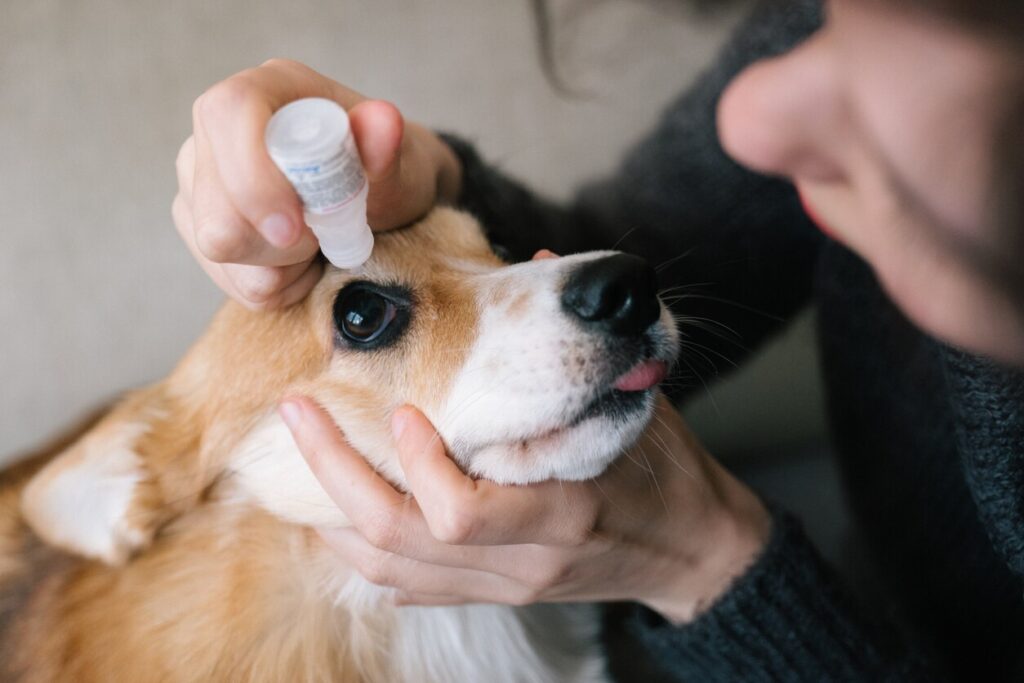
Istock/fotografixx
Dry eye in dogs, also known as keratoconjunctivitis sicca (KCS), occurs when the eyes have decreased or inadequate tear production. Without enough tears, dogs can develop dry, irritated, painful eyes and mucous-like discharge.
Treatment depends on the underlying cause and may include medications that stimulate tear production, artificial tears, antibiotics, or surgery.
Key Takeaways
- Dry eye in dogs, also known as keratoconjunctivitis sicca (KCS), occurs when the eyes don't produce enough tears.
- Symptoms can include red, irritated, painful eyes, frequent squinting or blinking, corneal dryness, and mucous-like discharge.
- Most cases are caused by immune system dysfunction that damages the glands responsible for producing the watery layer of tears.
- Treatment may include cyclosporine or tacrolimus to stimulate tear production, artificial tears, antibiotics, or surgery.
What Is Dry Eye in Dogs?
Dry eye in dogs, also known as keratoconjunctivitis sicca (KCS), involves decreased or inadequate tear production. Tears are important for the lubrication, comfort, and overall health of a dog's eyes.
Tears also contain antibacterial proteins, mucus, white blood cells that fight infection, and other enzymes that help keep the eyes clear and free of debris, infection, and irritation.
What Are a Dog's Tears Made Of?
A dog's tears have three parts:
- Lipid (fat) layer
- Aqueous (water) layer
- Mucin layer
Two glands, the lacrimal and third eyelid glands, are responsible for producing the watery layer of tears.
In dogs with dry eye syndrome, these glands contribute little or nothing to the tears, even though the glands responsible for the lipid and mucin layers still function. This typically results in dry but gooey, mucous-filled eyes.
What Are the Symptoms of Dry Eye in Dogs?
Symptoms of dry eye in dogs can include red, inflamed, irritated, and painful eyes; frequent squinting and blinking; dryness of the cornea; and mucous-like discharge.
Dogs with dry eye syndrome can exhibit one or more of the following symptoms:
- Red, inflamed, irritated, and painful eyes
- Redness and swelling of the conjunctiva, or the tissues around the eye
- Frequent squinting and blinking
- Dryness on the surface of the cornea—the outer, clear, dome-shaped part of the eye
- Mucous-like discharge on the cornea, which may be yellow or green if a secondary bacterial infection is present
- Defects and irregularities of the cornea, including increased vascularization (abnormal growth of blood vessels to the injured area) and pigmentation as the eye attempts to heal and protect itself
- Possible vision impairment and blindness
What Causes Dry Eye in Dogs?
Dry eye in dogs can have one or several underlying causes, but most cases are caused by immune system dysfunction that attacks and destroys the lacrimal and third eyelid glands. Your veterinarian can help determine the cause based on your dog's medical history and an exam.
Underlying causes may include:
- Immune system dysfunction: Most cases of dry eye syndrome in dogs are caused by the immune system attacking and destroying the lacrimal and third eyelid glands. Veterinarians do not know why this happens.
- Medications: Certain drugs can cause dry eye syndrome as a side effect, usually shortly after a dog starts taking them. This type of dry eye syndrome can be temporary and may go away once the medication is discontinued.
However, permanent damage can occur, and there is no way to predict which dogs will develop dry eye syndrome or how long it will last. Talk with your veterinarian about possible side effects of all medications. - Genes: Congenital alacrimia is a genetic form of dry eye syndrome that occurs in some breeds, most notably Yorkshire Terriers. This is typically noticed in only one eye.
- Endocrine conditions: Some systemic diseases, such as hypothyroidism, diabetes, and Cushing's disease, frequently decrease tear production.
- Infectious diseases: Canine distemper virus, leishmaniasis, and chronic blepharoconjunctivitis can lead to dry eye syndrome.
- Medical procedures: A common abnormality in dogs is a prolapsed third eyelid gland, more commonly known as cherry eye. While it is not recommended, some surgeons remove the gland entirely, leading to permanently decreased tear production.
Local radiation for tumors can also cause permanent damage to the lacrimal and third eyelid glands. - Neurological problems: Loss of nerve function to the glands, commonly secondary to an inner ear infection, can decrease or stop tear production.
- Traumatic injury: Dry eye syndrome can occur when the glands are damaged after severe inflammation or injury, such as from wounds or car accidents.
- Transient causes: Anesthesia causes a temporary loss of tear production, as does the medication atropine. Once these are removed, tear production normally returns.
How Is Dry Eye in Dogs Diagnosed?
Veterinarians diagnose dry eye in dogs using the Schirmer Tear Test (STT), which measures aqueous tear production. Additional testing may be used to look for corneal ulcers, inflammation, or glaucoma.
Schirmer Tear Test
The Schirmer Tear Test is a simple, painless test that involves placing a strip of special paper in the lower eyelid. Moisture and tears from the eye wick onto the paper for 60 seconds, after which the veterinarian measures tear production.
More than 15 millimeters of tear production per minute is normal, while less than 10 millimeters per minute indicates dry eye syndrome. Your veterinarian may repeat the test to confirm the diagnosis.
Additional Eye Tests
After the STT, your veterinarian may perform a fluorescein stain test to look for corneal ulcers. The stain makes an ulcer glow bright green under a black light.
Your veterinarian may also test intraocular pressure to look for inflammation or glaucoma. These conditions are common with dry eye and are important to diagnose and treat at the same time.
How Is Dry Eye in Dogs Treated?
Treatment for dry eye in dogs depends on the diagnosis and previous medical history and may include medications that stimulate tear production, artificial tears, antibiotics, pilocarpine, or surgery.
Medications That Stimulate Tear Production
Lacrimostimulants are medications used to stimulate tear production. Most commonly, veterinarians prescribe ophthalmic cyclosporine or tacrolimus.
Cyclosporine, when applied in the eye, keeps the immune system from harming the lacrimal and third eyelid glands, allowing tear restoration. Tacrolimus is typically used only if cyclosporine fails.
Artificial Tears
Lacrimomimetics, or artificial tears, moisten the surface of the eye, improve comfort, and help flush debris and allergens.
These eye lubricants are used with primary medications for dry eye syndrome, such as cyclosporine, especially early in treatment when tear production hasn't fully recovered.
Only use artificial tears if your veterinarian directs you.
Antibiotics
Bacterial infections and corneal ulcerations may require broad-spectrum topical antibiotics.
Pilocarpine
Dogs whose dry eye syndrome is related to the nervous system are treated with pilocarpine, which stimulates glandular secretion.
Surgery
Dogs that don't respond to treatment may require a surgery called parotid duct transposition. This procedure redirects saliva glands in the dog's mouth to the eye so that saliva can be used as tears.
Recovery and Management of Dry Eye in Dogs
Recovery and management of dry eye in dogs require ongoing monitoring of tear production and response to treatment. Most dogs improve within 12 weeks, with many showing positive changes within the first six weeks.
Follow-Up Testing and Management
Your veterinarian will initially perform the Schirmer Tear Test (STT) every three to four weeks to confirm that the medication and treatment plan are working.
If tear production is still inadequate, medication and dosing frequency can be adjusted.
Once your dog has adequate tear production, periodic rechecks should be scheduled, usually every three to four months.
Prognosis for Dogs With Dry Eye
Most dogs respond to available treatments and return to normal vision and a pain-free life. Monitoring and early veterinary intervention are important.
In dogs with an STT of 2–14 millimeters per minute, there is more than an 80% chance of regaining normal tear production.
In more severe cases, when the STT is 0–1 millimeters per minute, the full recovery rate falls to less than 50%.
Dry Eye in Dogs FAQs
Is dry eye in dogs curable?
Some types of dry eye syndrome are reversible. However, the most common causes can only be managed with medication.
Are dogs with dry eye syndrome in pain?
Yes. Without proper tear production, the eyes can become irritated, inflamed, infected, and even ulcerated. These conditions can be extremely uncomfortable and painful for your dog.
Can I use over-the-counter eye drops for my dog?
Discuss any over-the-counter eye drops with your veterinarian before using them on your dog.
Over-the-counter artificial tears and eye lubricants are important for the overall comfort and stability of the eyes in dogs with dry eye syndrome, especially early in treatment. Use products approved for dogs and discuss any product with your veterinarian first.
References
Kaswan RL, Salisbury MA. A new perspective on canine keratoconjunctivitis sicca: Treatment with ophthalmic cyclosporine. Vet Clin North Am Small Anim Pract 1990;20(3):583-613.


