Epiphora in Dogs: Causes and Treatment



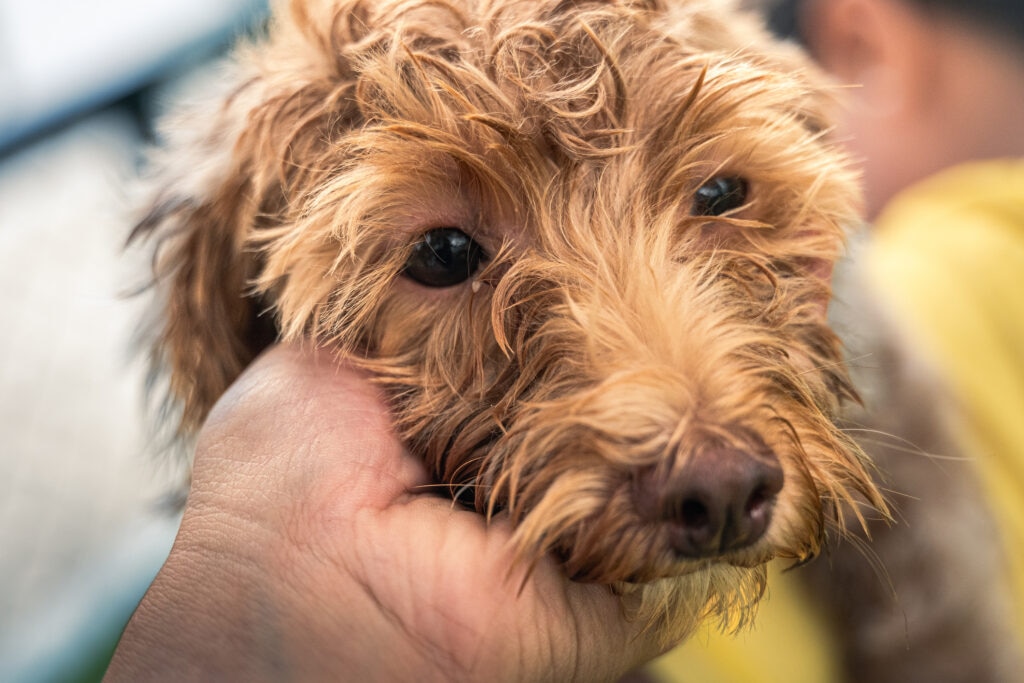
Riz Visual/iStock/Getty Images Plus via Getty Images
Epiphora in dogs—commonly seen as watery eyes or tear staining—is caused by excess tear production or poor tear drainage. While often harmless, it can sometimes signal underlying issues like allergies, blocked tear ducts, or eyelid abnormalities.
If your dog has constant tearing, reddish-brown stains under the eyes, or is pawing at their face, it’s important to have a veterinarian evaluate them. Identifying the cause early can help prevent irritation, infection, and long-term eye problems.
Key Takeaways
- Epiphora in dogs causes watery eyes and tear staining, often due to excess tear production or poor tear drainage.
- Common causes include allergies, eyelid abnormalities, blocked tear ducts, and breed-related traits.
- Treatment depends on the cause and may involve medications, surgery, or routine cleaning to manage symptoms.
What Is Epiphora in Dogs?
Epiphora in dogs—also known as watery eyes in dogs—occurs when tears are produced in excess or are not draining properly, leading to visible moisture around the eyes.
This moisture can lead to a red-brown staining of the fur, especially in dogs with lighter-colored coats. The staining is caused by a pigment in tears called porphyrin.
Additional signs may include:
-
Reddish-brown staining of the fur under the eyes
-
Dampness or wetness around the eye area
-
Glassy or overly shiny eyes
-
Rubbing or pawing at the eyes
Epiphora can affect one or both eyes.
Epiphora in dogs is common and may be caused by irritation, abnormal tear drainage, or normal breed characteristics.
It’s important to seek veterinary care if the discharge becomes yellow or green or if your dog is squinting. This may indicate infection or injury, such as a corneal ulcer.
Health Tools
Get quick answers with our vet-created Symptom Checker
Causes of Epiphora in Dogs
Epiphora in dogs is typically caused by eye irritation, abnormal tear drainage, or breed-related factors.
Many conditions can cause acute (sudden) or chronic (long-term) irritation, leading to increased tear production:
-
Allergies: Environmental irritants such as pollen or dust
-
Eyelash abnormalities:
-
Ingrown eyelashes (trichiasis)
-
Extra eyelashes from abnormal locations (distichiasis)
-
Eyelashes growing inside the eyelid (ectopic cilia)
-
-
Eyelid abnormalities:
-
Prolapsed third eyelid (“cherry eye”)
-
Small eyelid masses that rub against the eye
-
Viral infections that affect the eye such as papillomavirus, canine distemper, herpesvirus, or adenovirus (hepatitis)
Epiphora in dogs can also occur when tears are not able to drain properly through the normal tear duct system.
Common causes include:
-
Shallow eye sockets: Seen in breeds with prominent eyes, causing tears to overflow
-
Blocked nasolacrimal duct: Due to debris, inflammation, or infection
-
Imperforate puncta: A congenital condition where the tear duct opening does not form properly (more common in Cocker Spaniels)
When drainage is impaired, tears build up and spill over from the eyes.
In some breeds, epiphora in dogs are normal due to genetics, even without disease.
Breeds more commonly affected include:
How Veterinarians Diagnose Epiphora in Dogs
Veterinarians diagnose epiphora in dogs through a physical eye exam and diagnostic tests.
During the exam, your veterinarian will evaluate your dog’s eye and surrounding structures to look for irritation, infection, or structural abnormalities.
Common diagnostic tests include:
-
Schirmer tear test: Measures tear production by placing a small absorbent strip inside the lower eyelid for about one minute.
-
Fluorescein stain test: A special dye is applied to the eye to detect scratches or ulcers on the cornea.
-
Tonometry: A painless test that uses a handheld probe to measure pressure inside the eye and check for conditions such as glaucoma.
How Veterinarians Treat Epiphora in Dogs
Treatment of epiphora in dogs depends on the underlying cause.
If the tearing is due to irritation—such as allergies from pollen or environmental factors—your veterinarian may recommend:
-
Over-the-counter antihistamines such as cetirizine or loratadine
-
Artificial tear drops, like Vetericyn, to help flush irritants from the eyes
When structural abnormalities are present, treatment may involve surgery. Common conditions that may require correction include:
-
Ingrown eyelashes
-
Eyelid abnormalities (such as entropion or ectropion)
-
Eyelid masses, such as cherry eye or eyelid tumors
In some cases, treatment is not necessary. Dogs with naturally prominent eyes or breed-related tearing may simply produce more tears without underlying disease.
For these dogs, routine care can help manage symptoms and prevent complications.
Gently cleaning the eye area with products such as Optixcare Eye Cleaning Wipes, Angels’ Eyes Tear Stain Wipes, or Douxo Antiseptic Antifungal Wipes can help remove debris and reduce the risk of secondary bacterial infections.
Recovery and Management of Epiphora in Dogs
The recovery and long-term management of epiphora in dogs depends on the underlying cause.
Some conditions—such as eyelid or eyelash abnormalities—can be corrected with surgery, often resulting in a good prognosis and resolution of symptoms.
Other causes, like allergies, are not curable but can be managed long-term.
For pets with breed-related epiphora in dogs and no abnormalities in tear drainage, treatment focuses on management rather than cure.
These dogs will continue to produce excess tears, so the goal is to prevent skin irritation and secondary infections.
Always avoid getting any cleaning products directly into your dog’s eyes. Clean only the skin beneath the eyes where tears accumulate.
Epiphora in Dogs FAQs
What is the most common cause of epiphora?
The most common causes of epiphora in dogs is from abnormal tear drainage or something irritating the eye. Allergies to pollen and dust are very common environmental irritants.
What breeds of dogs have epiphora?
Brachycephalic breeds such as Pekingese, Shih Tzus, Boxers and Bulldogs commonly have epiphora. Epiphora is also common in breeds with light skin and fur, such as Maltese and Poodles.


