Inflammatory Bowel Disease (IBD) in Cats


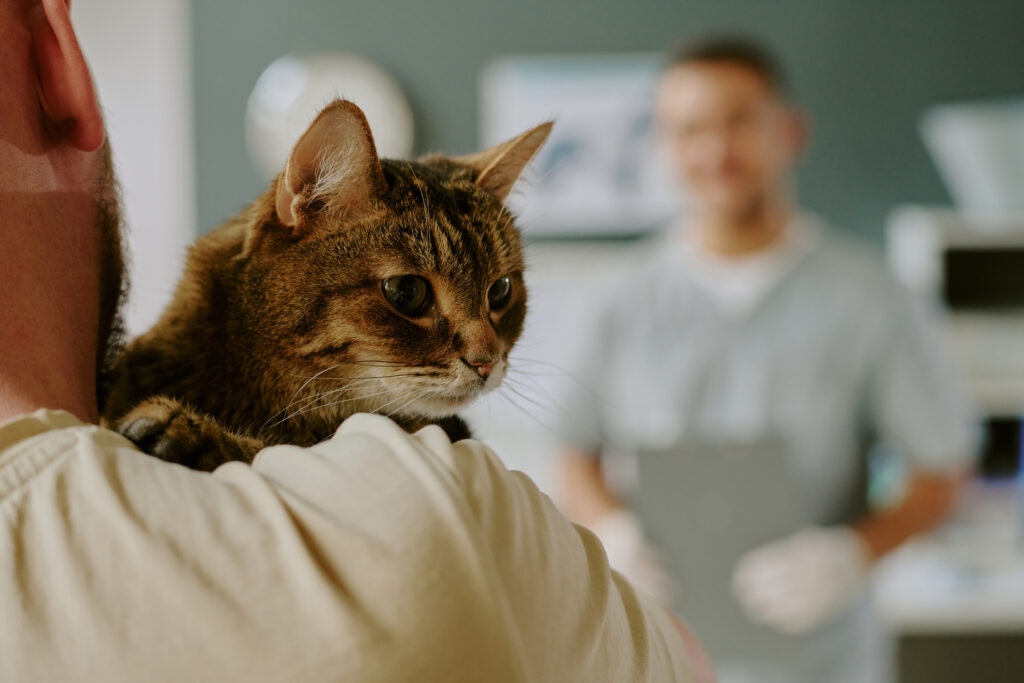
AnnaStills/iStock/Getty Images Plus via Getty Images
Inflammatory bowel disease (IBD) in cats is a group of gastrointestinal (GI) diseases that have no singular cause. IBD in cats causes inflammation of the stomach, small intestines, and/or large intestines.
This can be a frustrating disease to diagnose and treat, but cats can have a great quality of life and live a long time with the appropriate treatment from their veterinarian.
Let’s look at everything you need to know about inflammatory bowel disease in cats, from symptoms and causes to diagnosis and treatment.
Key Takeaways
- IBD in cats causes chronic inflammation of the gastrointestinal tract, leading to symptoms like vomiting, diarrhea, weight loss, and fatigue.
- Diagnosis requires lab work, imaging, and often biopsies to rule out other conditions and confirm IBD.
- Though IBD can't be cured, it can often be successfully managed with diet trials, medications, and vitamin B12 supplementation to improve quality of life.
Symptoms of IBD in Cats
Symptoms of IBD in cats usually are chronic and occur with increased frequency over time (daily, weekly, or monthly).
Here are the most common symptoms of inflammatory bowel disease in cats:
-
Fatigue
-
Gas (flatulence)
-
Rumbling and gurgling abdominal sounds
Health Tools
Get quick answers with our vet-created Symptom Checker
What Causes IBD in Cats?
Though no single cause of IBD in cats is known, more than one cause is typically suspected. These include:
-
Hypersensitivity to bacteria
-
Food allergies that may include meat proteins, food additives, artificial coloring, preservatives, milk proteins, and gluten (wheat)
-
Genetic factors: purebred cats have a higher risk of IBD, with Siamese being more commonly affected.
-
Chronic stress and/or anxiety
How Do Vets Diagnose IBD in Cats?
To diagnose IBD in cats, a veterinarian will take a detailed history and ask a pet parent questions about the duration and frequency of symptoms.
Physical Exam and Lab Tests
A complete physical examination will then be conducted, followed by routine laboratory tests, including:
Blood work, including a complete blood count (CBC) and biochemistry profile
Although these tests do not definitively diagnose IBD in cats, they are noninvasive and help rule out other diseases (such as kidney disease, elevated thyroid levels, and liver disease) where the symptoms can be identical to IBD.
The results of these routine laboratory tests are often normal.
In some patients, anemia and an abnormally high number of white blood cells (infections) may be present.
With inflammatory bowel disease in cats, abnormal levels of proteins and liver enzymes may also be found. Your veterinarian may also conduct tests to check the functioning of your cat’s small intestine.
Abdominal Ultrasound
An abdominal ultrasound is likely to be recommended to rule out other diseases not found in blood work (such as pancreatitis or cancer). It can also help vets assess the stomach and intestinal wall thickness, which can be significantly thicker in cats with IBD.
Some cats that have inflammation of their GI tract will also experience concurrent inflammation of both the pancreas (pancreatitis), liver and gall bladder (cholangiohepatitis).
When cats have all three of these conditions (IBD, pancreatitis, cholangiohepatitis) it is referred to as feline triaditis.
Stomach Biopsy
Your veterinarian may recommend biopsies of your cat’s stomach and intestines. This can be done with surgery or with endoscopy. Biopsies are the only way to definitively diagnose IBD and determine the extent of the disease.
Once a diagnosis is made, a tailored treatment plan will be created for your pet.
Cat IBD Treatment
IBD in cats cannot be “cured” but can be successfully managed. However, even after complete recovery, relapses of inflammatory bowel disease in cats are common.
Major goals of treatment are:
-
Stabilizing your cat’s weight
-
Relieving GI symptoms
-
Reducing the immune system's response
Diet trials, immunosuppressive medications, and antibiotics are key components of the therapy for inflammatory bowel disease in cats.
Food Trials
Dietary management is another essential component of therapy for IBD in cats, with hypoallergenic or novel protein diets being the most recommended by vets.
Hills Food Sensitivities z/d food and Royal Canin Hydrolyzed Protein H/P are examples of commonly prescribed diets for cats with IBD.
It usually takes two to four weeks or so to see if your cat responds positively to this diet. It’s not uncommon to try several types of diets—therefore, it could take several months to see if the diet is effective.
During the diet trial, only use the veterinary food. Avoid giving your cat treats, tuna, or anything flavored, including medications.
Keep a journal of the symptoms prior to and during a diet trial for your veterinarian to see if any difference is noted.
Steroids
Cats that are diagnosed with IBD are often managed on steroids. Steroids help to reduce the inflammation and minimize the symptoms your cat is experiencing.
It’s best that steroids be tapered down to the lowest effective dose.
Your cat will likely be prescribed a higher dose until the GI signs go away, then gradually tapered lower until you find the smallest dose that keeps the symptoms away, while having to give less medication.
Prednisolone and budesonide are the most commonly prescribed steroids used to manage IBD in cats.
Vitamin B12
Cobalamin is given in some cats to counteract B12 deficiency, which is a result of some IBD cases.
Cobalamine is Vitamin B12. It’s very helpful for patients diagnosed with IBD. It’s commonly given as a weekly injection under the skin.
This is something your vet can teach you how to do, or you can set up regular technician appointments to get this done at the clinic.
Deworming
Routine deworming is always a good idea in any cat affected by chronic diarrhea.
As parasites will undergo intermittent shedding, they can often be missed on fecal float exams.
Many vets will recommend deworming as part of a cat’s protocol to ensure they’ve covered all the bases.
IBD in Cats Prognosis
The short-term prognosis for most cases of IBD in cats is excellent.
Be patient with the forms of treatment suggested by your veterinarian and strictly adhere to their diet recommendations.
In most cases of inflammatory bowel disease in cats, living a long and happy life is likely.
The sooner the diagnosis is made and treatment is started, the better chances your cat has to recover.
In more severe cases, cats can have a difficult time responding to treatments or could not respond at all—the prognosis is poorer for these cats.
IBD in Cats FAQ
What's the best food for cats with IBD?
The best food for cats diagnosed with IBD is a hydrolyzed protein diet that is extremely gentle on the GI tract.
In these veterinary diets, the proteins have been broken into such small pieces that they don’t elicit an allergic/inflammatory reaction.
How is end-stage inflammatory bowel disease in cats treated?
Severe IBD is usually treated with oral steroids, prescription food, and weekly B12 injections.
Why do cats with IBD vomit?
Affected cats will vomit if the lining of their stomach and upper GI tract is inflamed. Those with inflammation of the lower GI tract will experience diarrhea.
Is IBD in cats contagious?
No, IBD in cats is not contagious.


