Celebrating Five Years of Hope: 7 Things To Know About Veterinary Hope Foundation Community Groups
IN PARTNERSHIP WITH


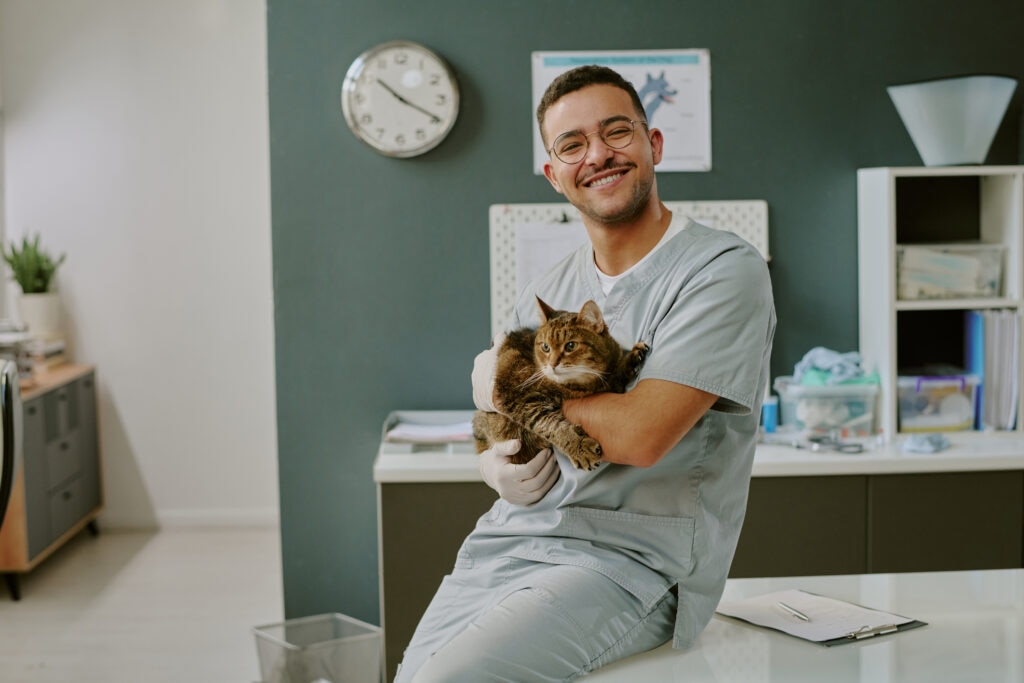
AnnaStills/iStock/Getty Images Plus via Getty Images
This year, the Veterinary Hope Foundation is proud to celebrate its fifth anniversary—five years of creating safe, supportive spaces for veterinary professionals to feel seen, connected, and reminded that hope is possible.
VHF was created in 2021 to meet the growing need for compassionate mental health and well-being support in veterinary medicine. What began as a vision rooted in hope has grown into a community committed to reminding veterinary professionals that they are not alone.
One of the most important ways we support the veterinary community is through community groups—structured, virtual places where veterinary professionals can connect with peers, participate in guided discussion, and build resilience through shared understanding.
Here are seven things to know about Veterinary Hope Foundation community groups.
Key Takeaways
- Veterinary Hope Foundation (VHF) community groups are six-week, small-group virtual sessions led by trained facilitators.
- Groups are designed to support veterinarians and veterinary teams through peer connection and guided discussion.
- Sessions are confidential and facilitated by mental health experts who help shape discussion topics.
- Weekly meetings run about 60–75 minutes and cover themes like self-care, boundaries, impostor phenomenon, values, and work/life integration.
1. What Are VHF Community Groups?
VHF’s community groups are virtual sessions designed to create connection, reflection, and support within the veterinary community.
Each group is led by trained leaders with expertise in mental health as well as experience, education, or meaningful understanding of the veterinary profession. This combination helps create a space that is emotionally supportive and relevant to the realities of veterinary work.
Community groups are often organized as affinity groups, meaning participants may be matched by role, career stage, practice setting, or lived experience. Some groups are also offered as part of broader wellness efforts focused on resilience, peer connection, and healthier workplace culture.
2. Who Are the Groups For?
Community groups are designed for veterinarians and veterinary teams, including veterinary technicians, veterinary nurses, practice leaders, associates, owners, students, specialists, shelter medicine professionals, emergency and urgent care teams, and others working in or connected to veterinary medicine.
Some groups are organized around professional role or career stage, such as early career, mid-career, leadership, associates, owners, or veterinary team members. Others may be shaped around shared experiences, such as grief and loss, parenting, the LGBTQIA+ community, or the unique demands of specific practice settings.
The goal is to help participants find a group where they feel understood, supported, and able to connect with others who may be going through similar things.
3. When Do the Groups Run?
VHF community groups are offered throughout the year to fit different schedules. Specific sections are posted as they become available, and dates and times may change as new groups are added.
Upcoming community groups sponsored by the Purina Pro Plan Veterinary Support Mission include:
Early Career Veterinarians
Begins August 18, 2026 at 8 p.m. ET
Three consecutive weeks
Shelter Teams
Begins September 8, 2026, at 8 p.m. ET
Six consecutive weeks
Veterinarians: Relief Veterinarians
Begins September 23, 2026, at 8 p.m. ET
Six consecutive weeks
Those interested in joining are encouraged to visit www.veterinaryhope.org/community-groups for the most current schedule and registration information.
4. What Happens in a Typical Session?
Each community group meets virtually once a week for approximately 60 to 75 minutes. Sessions are guided by trained facilitators and designed to encourage respectful conversation, reflection, and peer connection.
While each group is unique, sessions often include a theme or discussion prompt related to the experiences of veterinary professionals. Leaders support the conversation while allowing participants to share, listen, and reflect at their own comfort level.
Community groups are not lectures. They are interactive spaces where participants can connect with others, explore shared challenges, and consider practical ways to support their well-being.
As Nicole Lang, DSW, LCSW, a program administrator at Veterinary Hope Foundation, explains: “Community groups are a part of community care, which brings individuals together to exchange resources, provide support, and discover fresh approaches to taking care of themselves and one another. These elements are linked to better overall well-being.”
That sense of connection is confirmed by Amanda Ensor, DVM, a veterinarian and community group participant, who says, “Having a space where veterinary professionals feel understood is incredibly powerful.”
5. What Topics Are Discussed at VHF Community Groups?
Topics vary by group, but many sessions focus on themes that are highly relevant to veterinary professionals and teams.
Common topics may include self-care and self-compassion, setting healthy boundaries, the impostor phenomenon, values and meaning, work-life integration, resilience, mindfulness, gratitude, and community care.
These topics support reflection, encourage healthy coping strategies, and help participants consider how they can care for themselves and others within the veterinary profession.
6. Are the Groups Confidential and Professionally Facilitated?
Yes. VHF community groups are confidential and professionally led to support safe, caring conversation.
Groups are led by trained facilitators, and participants are encouraged to engage in a respectful and supportive way. The purpose of the group is to create a space where veterinary professionals can connect, reflect, and feel less alone.
7. How Can I Register or Find the Group for Me?
Veterinary professionals can register for available groups at www.veterinaryhope.org/community-groups. If you do not see a group that fits your role, schedule, or situation, scroll down to “Help Us Create the Right Community Group for You” to let VHF know what type of community group would be helpful to you.
VHF continues to listen to the needs of the profession and welcomes feedback about future group topics or affinity groups.
Tips to Get the Most Out of a Veterinary Community Group
If you are considering joining a community group, it can be helpful to come with one or two topics you would like to process, such as workload, compassion fatigue, boundaries, grief, professional identity, or work-life integration.
Try to attend all sessions, if possible. Consistency helps build trust, connection, and continuity within the group.
If you are unsure which group is the best fit, reach out to Veterinary Hope Foundation for guidance.
If You Need Urgent Mental Health Support
VHF community groups are designed for connection, support, and guided discussion, but they are not a substitute for emergency mental health care.
If you or someone you know is in immediate crisis, please call or text 988 to reach the Suicide and Crisis Lifeline or contact local emergency services. The Veterinary Hope Foundation also shares crisis resources and mental health directories at https://www.veterinaryhope.org/about-us/resources.
Carrying Hope Forward
As we reflect on five years of service, we are filled with gratitude for the board members, facilitators, mental health professionals, volunteers, partners, donors, and veterinary community members who have helped build and sustain VHF’s mission.
At the Veterinary Hope Foundation, we believe that where there is hope, change is possible. As we look ahead, we remain committed to expanding access to support, deepening partnerships, and creating more opportunities for veterinary professionals to feel connected, supported, and never alone.
To learn more about the foundation and upcoming community groups, please visit www.veterinaryhope.org.


