8 Ways to Get Your Vet Team Mental Health Support
IN PARTNERSHIP WITH


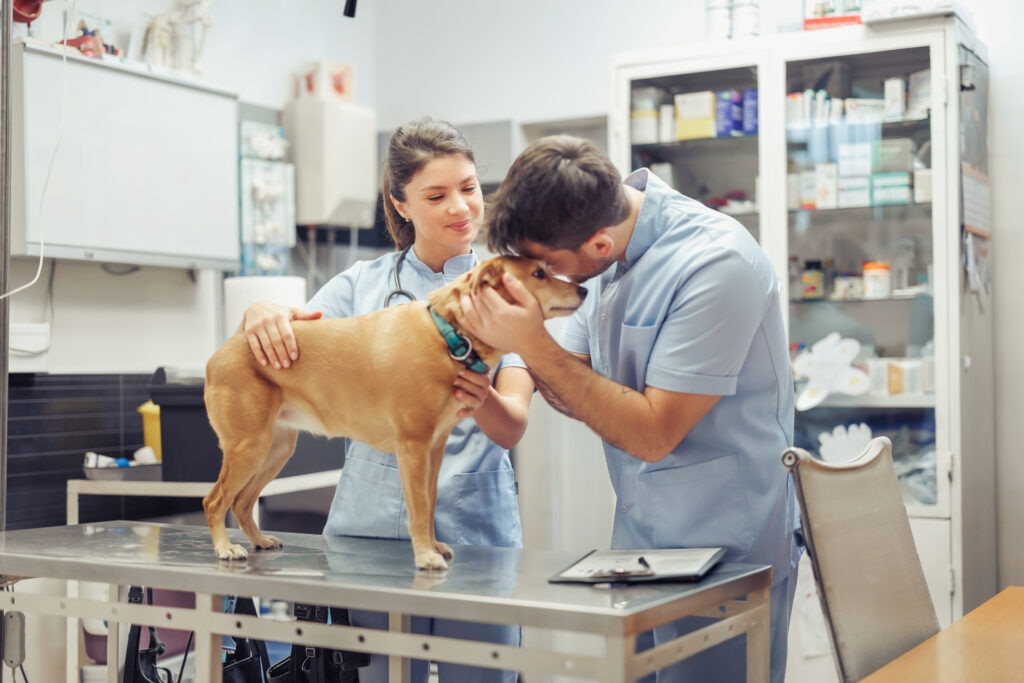
Ivanko_Brnjakovic/iStock/Getty Images Plus via Getty Images
Hope is not just the middle name but the heart of what the Veterinary Hope Foundation (VHF) develops within the veterinary profession. Through hope, connection, and support, VHF has consistently given veterinary professionals safe spaces for healing to happen and careers to thrive.
The Veterinary Hope Foundation is a nonprofit organization focusing on early intervention and prevention to support veterinary professionals before challenges turn into crises. VHF is working to expand awareness of mental health and wellness within the veterinary profession.
The human-animal bond is important to veterinary professionals, and it is often the inspiration that led them to pursue a career helping animals. Many pinpoint experiences with a family pet or childhood visits to a farm or zoo that sparked joy and showed them the beauty of the human-animal bond. Veterinarians name this relationship as the foundational meaning and purpose of their careers, but some say the inspiration wears away because of complexity and challenges in their daily work.
Compassion fatigue and moral stress are the most common challenges veterinary care workers face, with each posing a risk to their mental health. Many times, veterinary staff have reported they feel unprepared to go through these issues, unsupported by administration and uncertain where—or even how—to reach out for help.
VHF’s mission is to bridge this gap by giving veterinary professionals the resources and support they need to thrive throughout their careers. By helping them reconnect with the joy, purpose, and meaning of their work, VHF creates hope and resilience as they walk through the ongoing challenges of the veterinary profession.
Here are eight key actions that help veterinarian teams get the support they deserve.
Key Takeaways
- Veterinary professionals face high rates of compassion fatigue and moral stress, making early mental health support and prevention strategies essential for long-term well-being.
- Creating safe, supportive environments—such as peer groups, facilitated discussions, and stigma-free workplace practices—helps veterinary teams feel less isolated and more willing to seek help.
- Access to expert-led resources, community connections, and organizations like the Veterinary Hope Foundation can provide the tools, education, and ongoing support needed to build resilience and sustain veterinary careers.
1. Start With a “Prevention and Early Intervention” Mindset
Benjamin Franklin recognized a universal truth when he said, “An ounce of prevention is worth a pound of cure.”
VHF’s prevention model allows early-career veterinarians and those with more experience in the field to develop awareness of signs that their mental health may be challenged by their work.
The model encourages prevention through education and expert-led groups, promoting hope and belonging within veterinary professionals. Awareness and encouragement to act can lead to the “cure” of saving a career and even a life.
VHF approaches mental wellness through a spectrum of care recognizing that when early-career individuals are given space and tools, they form the connections and skills needed to promote success throughout their professional lives.
With a curriculum developed by mental health experts who are educated and experienced in the veterinary medicine space, VHF resources encourage acceptance of mental health support as an essential part of veterinary professional development.
2. Join a Community Built for Safe, Honest Conversations
VHF provides mental health support to teams in an easily accessible, non-judgmental, and safe online environment focused on building strength, resilience, and hope for all veterinary professionals.
For healing to happen, safety must be set up and kept throughout the relationship. Within the safe spaces of peer support groups and webinars, veterinary professionals can feel less alone in their struggles and more open to honest conversations about situations they need to handle throughout their careers.
3. Use Facilitated Connection (Community Groups) as a Team Support Option
VHF fulfills its mission by providing community groups to all veterinary professionals in a convenient and confidential manner.
Professionals have shared that they are less likely to bring up their own mental health concerns within their workplace because of a lack of privacy and fear of being judged by coworkers.
VHF community groups offer a safe place for all veterinary professionals to connect with their peers and share experiences while feeling heard and valued for seeking help when needed.
4. Build Skills with VHF Educational Resources
VHF supports mental health and well-being through a full program of resources including mini lessons meant for managers and teams that may be easily included in daily stand-up meetings, weekly community support groups, and timely educational blogs.
Educational offerings are developed at VHF through a team of experts including psychologists, clinical social workers, and veterinarians, each bringing decades of experience in the veterinary medicine space.
Using evidenced-based practices gives veterinary professionals leading-edge interventions that provide the most significant impact on their mental health and wellness throughout their careers.
Practice managers and administrators can use the online resources available via a shared internal folder where staff can get to the material in real time as needed throughout their shift.
The option to attend VHF webinars and mini lessons as part of their continuing education helps encourage professional development.
5. Partner With Mental Health Experts Instead of Going It Alone
VHF invites collaboration with mental health professionals within the community to offer knowledge and insight in the clinic and beyond. Holding lunch-and-learn or after-hours workshops can help veterinary professionals learn more about mental health support, gain valuable tools, and feel truly supported.
Veterinary social work (VSW) is a growing specialty and a valuable resource to provide essential tools to clinic staff for mental health, compassion fatigue, and burnout.
VSW practitioners can also focus on individual support for staff who prefer to receive care outside of the clinic.
Practice managers can form relationships within the community to build a network of mental health therapists familiar with the details and unique emotional challenges of veterinary care issues.
6. Reduce Stigma With Public Awareness Actions Inside Your Clinic
Veterinary professionals have noted that the stigma around mental health support is a barrier to reaching out for help. Well-placed VHF breakroom posters and tabletop brochures can serve as neutral reminders for professionals who are concerned about their peers and supervisors reacting to them seeking mental health support.
Simply incorporating a well-being check into daily team huddles opens a dialogue around mental health awareness among staff. Asking veterinary team members what self-care practices or routines they personally use allows mental health to be discussed in a non-threatening, communal, and solution-focused manner.
7. Use VHF’s Commitment Message To Open Real Conversations
VHF strives to help turn the hardest days of vet med into hope. Working in veterinary medicine often means healing and positive outcomes for clients, but the reality includes the loss of patients, overwhelmed colleagues crashing out in the breakroom, and harsh criticism from pet parents. Veterinarians sometimes report that clients accuse them of “just being in it for the money.” But this could not be further from the truth.
Clinic administrators become crucial sources of processes of support in these situations.
-
Acknowledge veterinary professionals’ experiences by giving them a safe space to share their thoughts and emotions, offering a non-judgmental ear.
-
Lead debriefing sessions with the staff after a traumatic event. This normalizes the need to process emotional pain as essential to their professional well-being. Ignoring complex feelings will only contribute to burnout.
-
Encourage staff to reach out to the Veterinary Hope Foundation for ongoing support and connection through its website, www.veterinaryhope.org.
8. Stay Connected via Veterinary Hope Foundation
When welcoming new employees, include links to the VHF website with free mental health and well-being resources for staff to save and use for future reference. Picking out a contact person among your staff to get and share VHF information among the clinic will allow for continuity of updated resources in real time.
The Veterinary Hope Foundation makes it easy for veterinary staff to stay up to date on the latest groups, webinars, and offerings of support by subscribing to the monthly newsletter at https://mailchi.mp/veterinaryhope.org/sign-up-form.
Or, you can fill out the contact form to ask any further questions under the “Get In Touch” section on www.veterinaryhope.org.
Veterinary medicine is a lifeline for the human-animal bond to thrive. With pets’ role in our families, the relationship with the veterinary team is more important than ever.
Veterinarians deserve the resources and support to build skills, connect with their peers, and take care of their mental health needs so that they can create positive relationships with their patients, pet parents, and communities.
VHF is proud to offer a community where veterinary professionals can easily access support early in their careers to set themselves on the path to sustainable practice. The hard days in the profession happen, but they do not have to just be endured.
VHF’s dedication to veterinary professionals offers the lifeline needed for learning, healing, and growth to happen in a way that reignites the sparks of joy connecting them to the foundation of their purpose and passion.


