GI Stasis in Guinea Pigs: Causes and When To Call Your Vet

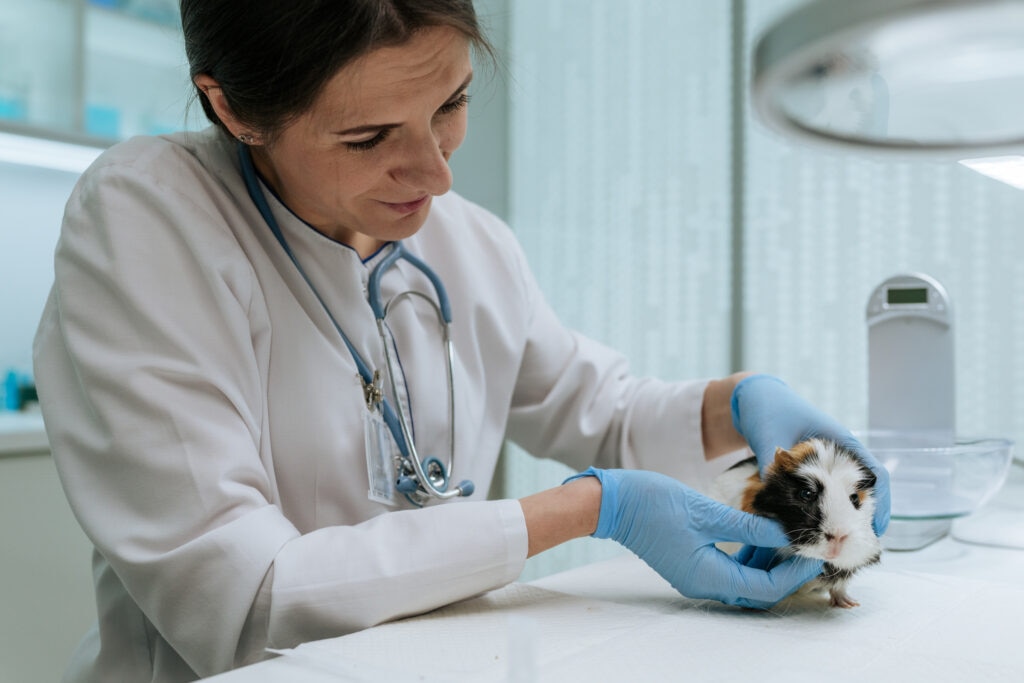
janiecbros/E+ via Getty Images
GI stasis in guinea pigs is a life-threatening digestive emergency that happens when the gut slows down or stops moving food normally.
If your guinea pig stops eating, produces fewer droppings, or seems tired or uncomfortable, they need veterinary care right away because GI stasis can become fatal within 24–48 hours without treatment.
Key Takeaways
- GI stasis in guinea pigs is a life-threatening digestive emergency that can become fatal within 24–48 hours if not treated promptly.
- Common signs of GI stasis include loss of appetite, fewer or no droppings, lethargy, bloating, and teeth grinding due to pain or discomfort.
- Providing unlimited hay, fresh water, daily exercise, and prompt veterinary care for appetite changes can help prevent GI stasis in guinea pigs.
What Is GI Stasis in Guinea Pigs?
GI (gastrointestinal) stasis in guinea pigs occurs when a guinea pig’s digestive system slows down or stops moving food normally through the intestines.
Guinea pigs rely on constant movement of food through their gut to stay healthy, so even a short slowdown can quickly become dangerous.
Physically, guinea pigs with GI stasis may stop eating, produce fewer or no droppings, and appear uncomfortable or lethargic. Internally, the lack of movement causes gas buildup and disrupts the balance of healthy gut bacteria, which can worsen the condition.
GI stasis is considered a medical emergency. Without prompt treatment, it can rapidly progress to severe illness or death within 24–48 hours.
Symptoms of GI Stasis in Guinea Pigs
Common signs include:
-
Reduced or no appetite
-
Smaller, fewer, or absent droppings
-
Lethargy or decreased activity
-
Hunched posture or signs of pain
-
Weight loss
-
Bloating or a firm abdomen
-
Teeth grinding (a sign of discomfort)
-
Decreased water intake
Any of these symptoms should prompt an immediate call to your veterinarian.
Causes of GI Stasis in Guinea Pigs
GI stasis is often caused by underlying issues rather than occurring on its own. Common causes include:
-
Low-fiber diet: Not enough hay can slow gut movement
-
Dehydration: Reduces normal digestion and stool production
-
Pain or illness: Dental disease, infections, or other conditions can reduce appetite
-
Stress: Changes in environment, handling, or companionship
-
Lack of exercise: Reduced movement can slow the digestive tract
Guinea pigs of any age or sex can develop GI stasis, but those with poor diets or underlying health conditions are at higher risk.
How Veterinarians Diagnose GI Stasis in Guinea Pigs
Veterinarians diagnose GI stasis using a combination of history, physical exam, and diagnostic testing:
-
Physical exam: Checks body condition, hydration, and abdominal feel
-
Weight measurement: Identifies recent weight loss
-
Dental exam: Looks for overgrown teeth or oral pain
-
X-rays (radiographs): Evaluates gas buildup and intestinal movement
-
Blood work: Assesses overall health and organ function (in severe cases)
Before your visit, note when your guinea pig last ate and passed stool. Bring a sample of their droppings if possible and share any recent diet or environment changes with your veterinarian.
Treatment of GI Stasis in Guinea Pigs
GI stasis is treatable, especially when caught early. Treatment focuses on restoring gut movement and addressing the underlying cause.
Common treatments include:
-
Fluid therapy: To correct dehydration and support digestion
-
Assisted feeding: Critical care diets help maintain nutrition
-
Pain management: Medications reduce discomfort and encourage eating
-
Prokinetic medications: Stimulate intestinal movement
Helpful products often recommended by veterinarians include:
-
Oxbow Critical Care Herbivore (for assisted feeding)
-
Syringes for the assisted feeding
-
Oxbow Western Timothy Hay (to support fiber intake)
Your veterinarian will determine the appropriate medications and care plan based on your guinea pig’s condition.
Recovery and Management of GI Stasis in Guinea Pigs
With prompt treatment, many guinea pigs begin improving within 24–72 hours. Full recovery may take several days to a week, depending on severity.
During recovery:
-
Continue assisted feeding as directed
-
Ensure constant access to fresh hay and water
-
Monitor droppings and appetite closely
-
Minimize stress and handling
Long-term management focuses on preventing recurrence through proper diet and routine health monitoring.
Prevention of GI Stasis in Guinea Pigs
You can reduce the risk of GI stasis by supporting your guinea pig’s digestive health:
-
Provide unlimited, high-quality hay
-
Offer fresh vegetables and a balanced diet
-
Ensure constant access to clean water
-
Encourage daily exercise
-
Schedule regular veterinary checkups
-
Monitor eating habits and droppings daily
Consistent care and early intervention are key to keeping your guinea pig healthy.
GI Stasis in Guinea Pigs FAQs
How do I know if my guinea pig has GI stasis?
Signs include not eating, producing fewer or no droppings, lethargy, and signs of pain such as a hunched posture or teeth grinding. These symptoms require immediate veterinary attention.
How long can a guinea pig survive with GI stasis?
GI stasis can become life-threatening within 24–48 hours if untreated. Prompt veterinary care significantly improves the chances of recovery.
This article was created with assistance from AI tools. The content has been reviewed for accuracy and edited by a human.


