What Do Fleas Look Like on Dogs?


Wavetop/iStock / Getty Images Plus via Getty Images
Think you may have spotted a flea on your dog? Fleas are tiny, dark brown, wingless parasites—about the size of a sesame seed—that move quickly through your dog’s fur.
Because they’re so small and fast, they’re easy to miss. In many cases, you’ll notice signs like itching or flea feces (aka flea dirt) before you ever see a flea.
Knowing what to look for can help you quickly figure out whether your dog has fleas. If they do, your veterinarian may recommend a monthly preventive, like NexGard PLUS, that kills and prevents fleas.
Key Takeaways
- Fleas on dogs look like tiny (about 1–3 mm), dark brown insects that move quickly.
- Dogs with fleas can experience a range of symptoms including excessive itching, loss of hair, and tiny red bumps on their skin.
- Use a flea comb to check for fleas on your dog.
- If you find fleas or flea dirt on your dog, contact your veterinarian right away to determine the best course of treatment and to prevent future infestations.
What Do Fleas Look Like?
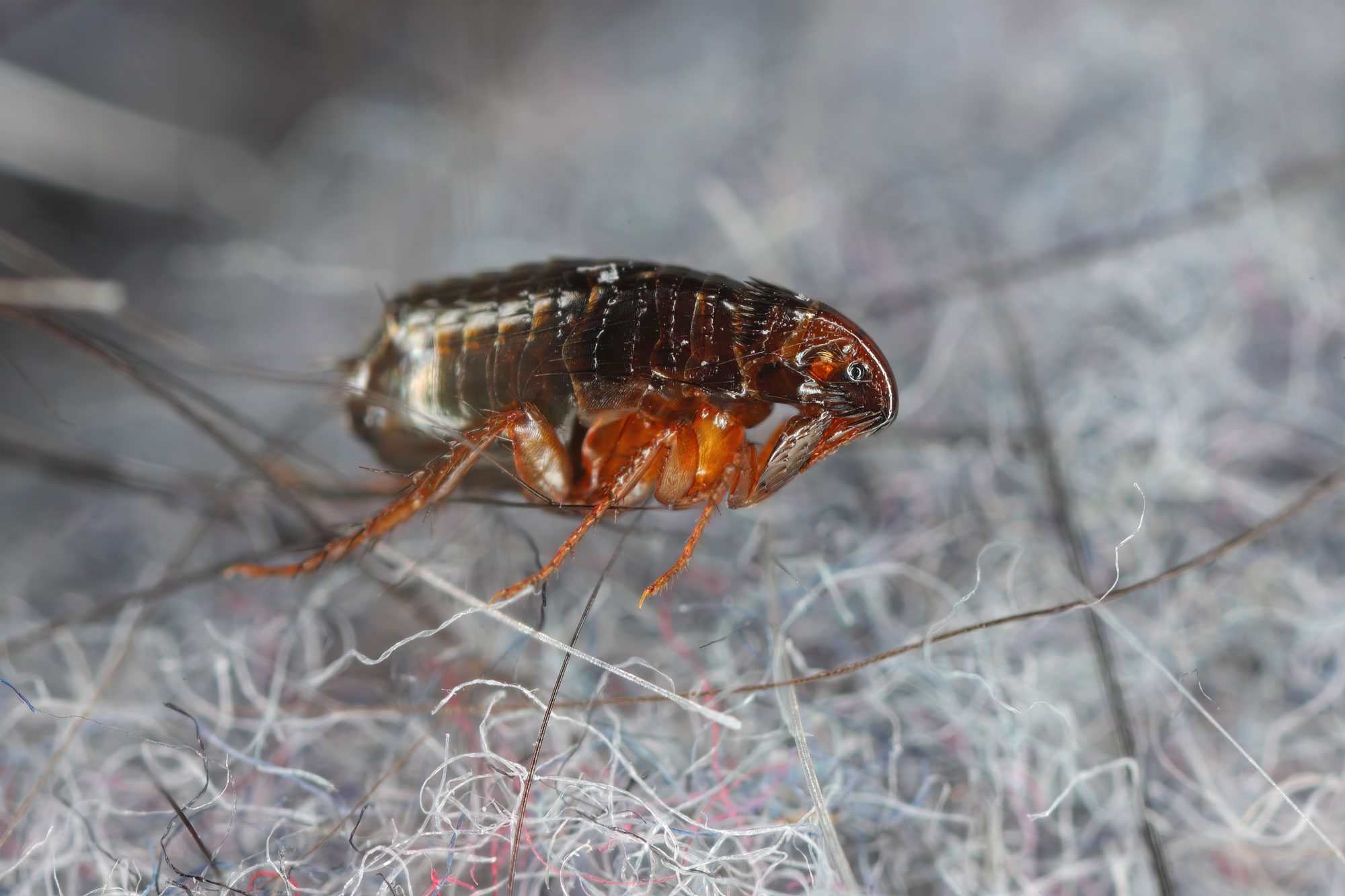
Fleas are very small, fast-moving, wingless insects that live on your dog’s skin and feed on blood. They typically jump onto dogs from other animals or from infested environments where your dog spends time. They can even jump onto people, but they don’t—and can’t—live on human skin.
Physical Characteristics of Fleas:
-
Size: About 1–3 millimeters long (similar to a sesame seed)
-
Color: Dark brown to nearly black
-
Shape: Oval shaped with six legs
-
Movement: Quick, jumping or crawling
Can You See Fleas?
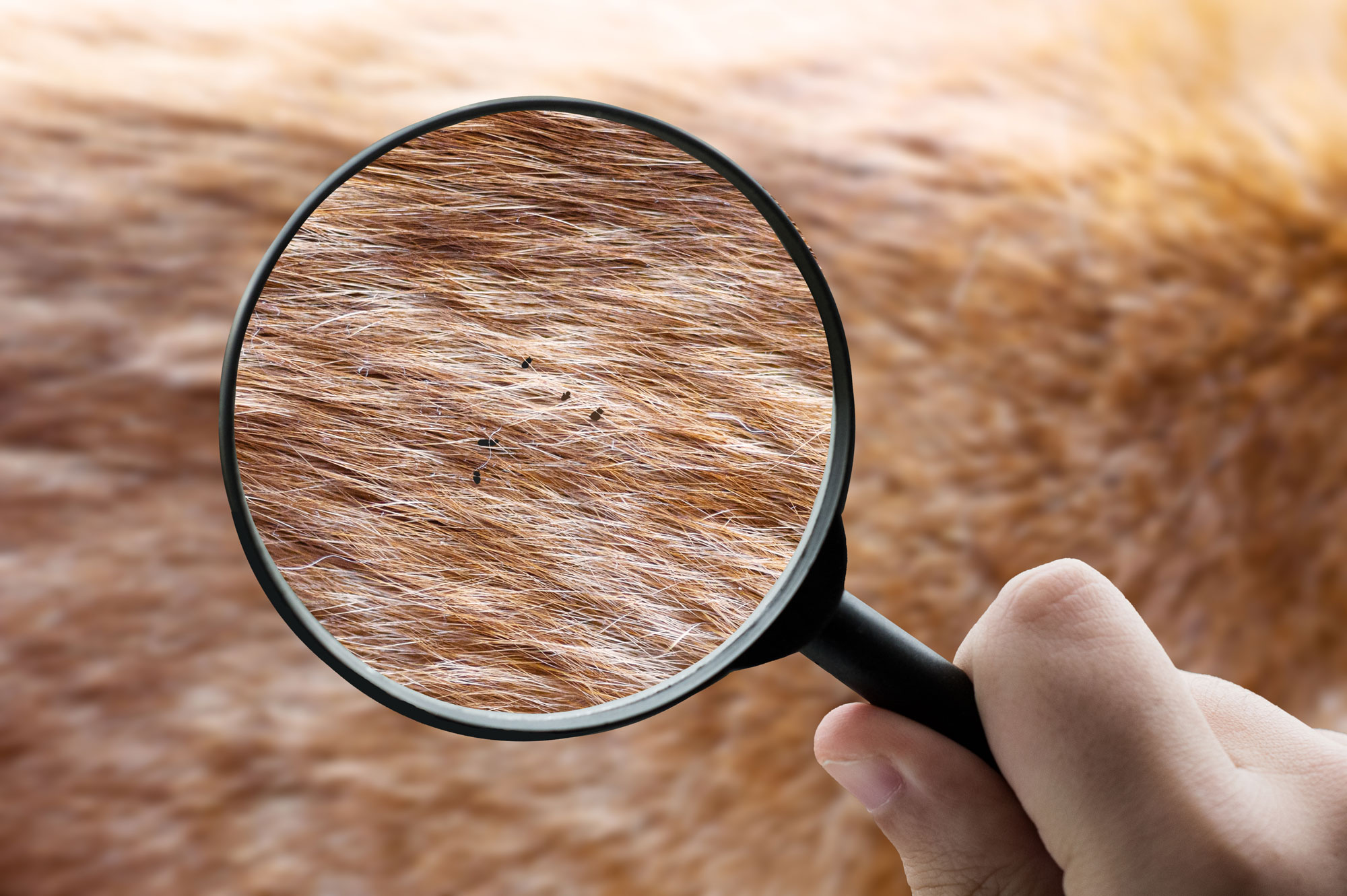
Yes, fleas are visible to the naked eye. However, they can be easily overlooked due to their small size and speed. You may only spot them if you part your dog’s hair carefully.
If your dog has fleas, you may also notice flea dirt in their fur. Flea dirt, or flea feces, is essentially digested blood. These tiny specks look like regular dirt or black pepper, but they turn red when wet.
Flea eggs are harder to see, as they are even smaller than fleas. Flea eggs are tiny, oval-shaped, and white or off-white—often described as looking like grains of salt. Unlike flea dirt, which is dark, flea eggs are light in color and don’t stick to your dog’s fur, so they often fall off into bedding, carpets, or other areas where your dog spends time.
Does My Dog Have Fleas?
Dogs with fleas can experience a range of symptoms—some of which can be quite uncomfortable. Signs of fleas on dogs include:
-
Visible fleas or flea dirt in their fur
-
Hair loss
-
Red, irritated skin
You might also notice your dog chewing at their skin if they have fleas.
Dry Skin or Fleas?
Both dry skin and fleas can make dogs itchy, but there is a key difference to look for—especially if you haven’t seen any live fleas.
Dry skin typically causes white flakes (similar to dandruff) and occurs due to a lack of moisture in the skin, environmental factors (like sun exposure), or frequent bathing. Fleas, on the other hand, leave behind black specks (flea dirt).
While both conditions can cause discomfort, spotting this difference can help you determine whether your dog is dealing with dry skin or a flea problem.
How To Check Your Dog for Fleas
To check your dog for fleas, follow these simple steps:
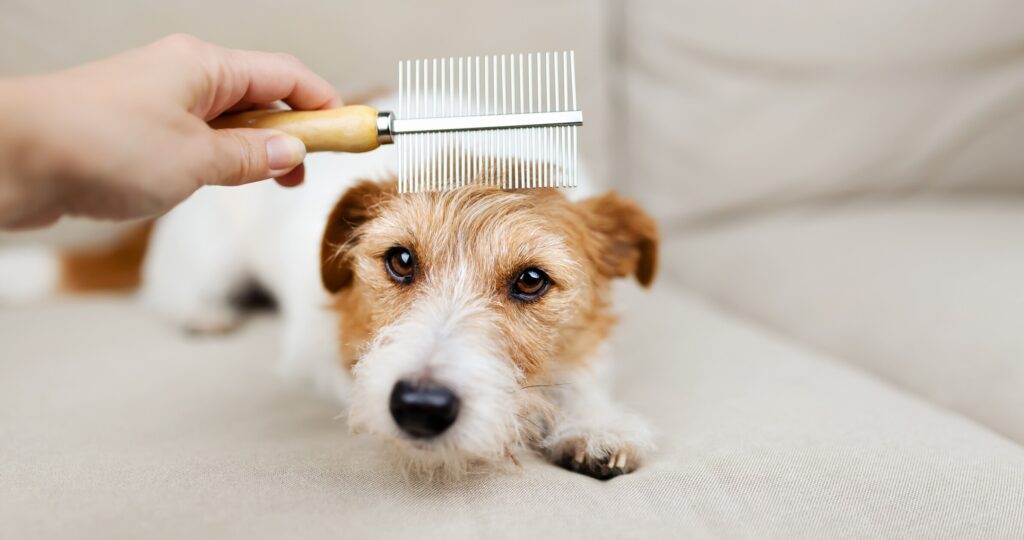
1. Use a flea comb or a dog brush to sift through your dog’s fur.
2. Start at their head and work toward their tail. Pay special attention to the base of the tail, as fleas often hide there.
3. Put any fleas you find in a cup or bowl filled with isopropyl alcohol to kill them.
Treatment for Fleas on Dogs
If you find fleas or flea dirt on your dog, contact your veterinarian right away to determine the best course of action to treat and prevent infestations. Treatments your vet might recommend include:
-
Oral flea preventives, such as NexGard PLUS, which are used to kill and prevent fleas. NexGard PLUS are chewable tablets that also protect against ticks, heartworm disease, roundworms, and hookworms.
-
Fast-acting oral flea treatments, such as Capstar
-
Flea shampoos, such as Advantage Flea & Tick Treatment Shampoo for Dogs & Puppies
-
Topical flea preventives, such as K9 Advantix II, which are applied to the skin
Since fleas can cause itchiness and discomfort, some veterinarians recommend additional treatments to keep your dog comfortable while the fleas are being eliminated. These might include:
-
Antihistamines, such as hydroxyzine
-
Allergy injections, such as Cytopoint
-
Corticosteroids, such as prednisone
-
Anti-itch medications, such as Apoquel
If there are other pets in the household, it’s important to check them all for fleas as well. All household pets should be on species-specific, year-round flea prevention. If an unprotected pet already has a flea infestation, it is important to start them on prevention right away by getting a prescription from your veterinarian.
Treating flea infestations also means treating the environment. Fleas can live in the environment for several months due to their complex life cycle. It’s important to frequently wash all pet bedding and other linens your dog lies on. Vacuuming frequently to remove fleas is also essential in fully eliminating these pests from the environment.
What Do Fleas Look Like on Dogs FAQs
How do I know if my dog has fleas?
You can tell if your dog has fleas by spotting the fleas themselves. They are small brown or black oval-shaped insects about the size of sesame seeds. Using a flea comb can help reveal live fleas in the fur. Or, because fleas move fast and are often hard to spot, watch for signs like frequent scratching, biting, licking, and the presence of flea dirt.
Can you visibly see fleas on dogs?
Yes, fleas can be seen by the naked eye, but they’re small and move quickly, jumping on and off dogs. Therefore, it’s important to check your dog for fleas regularly to avoid missing them.
What do flea bites on dogs look like?
Flea bites on dogs appear as small, raised, red bumps. They are generally pinpoint in size, but on some dogs they can become larger if the dog has a sensitivity or an allergic reaction to the bite. A more pronounced circular area that is red and sometimes warm can develop in these instances.
What can be mistaken for fleas on dogs?
Common insects that may be mistaken for fleas on dogs include ticks, mites, and lice.


