How Do I Know If My Puppy Has Fleas?


Sofiia Potanina/iStock/Getty Images Plus via Getty Images
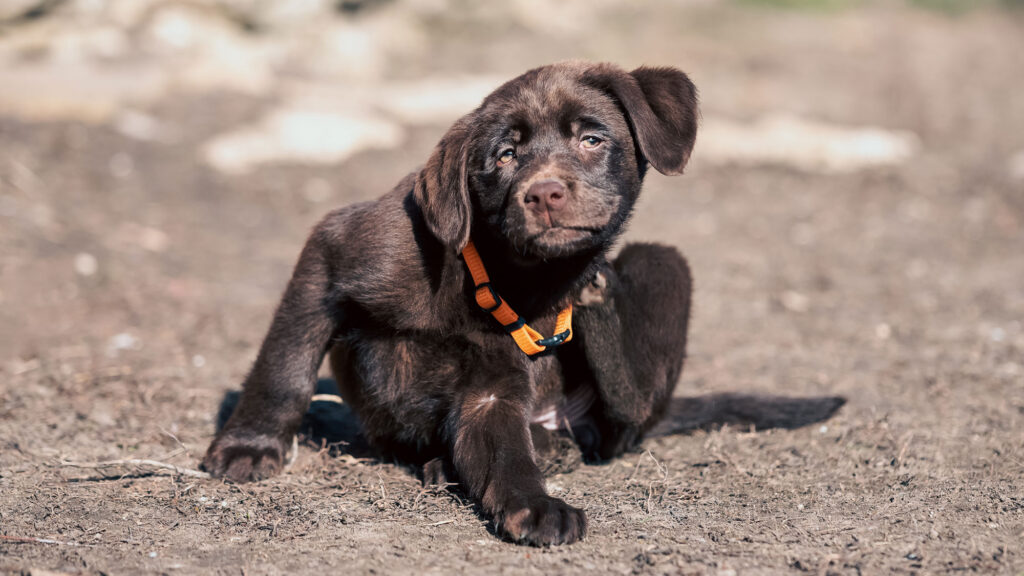
Puppies scratch. They roll around. They nibble their legs. So, when your new puppy starts itching, it’s fair to wonder: Is this normal puppy behavior, or does my puppy have fleas?
The easiest way to tell if your puppy has fleas is to look for live fleas, flea dirt, itchy skin, red bumps, hair loss, or restless scratching, especially around the tail base, belly, groin, and neck. Fleas are tiny and can move fast, so you may see clues they have been around before you see the actual bug.
If your puppy is old enough and weighs enough, your vet may recommend a prescription flea preventive, such as Simparica Trio, which is approved for puppies 8 weeks and older who weigh at least 2.8 pounds.
Key Takeaways
- Puppies can have fleas even when you do not see live insects.
- Flea dirt (flea feces) often looks like black pepper or grains of dirt sprinkled on your puppy’s skin or left behind on bedding.
- A flea comb is one of the best tools for checking a puppy for fleas and flea dirt.
- Red bumps, scabs, and hair loss can happen when puppies react to flea bites, but other things can cause those signs too.
- Call your vet before using flea products on young or small puppies.
How Do I Know if My Puppy Has Fleas?
The most common signs of fleas on puppies are itching, scratching, biting at the skin, licking, chewing, and general “I cannot get comfortable” behavior. If the puppy is itchy, your vet will usually ask where the puppy is focused chewing or scratching. Puppies often scratch or chew near the tail base, back legs, belly, groin, armpits, neck, and ears when they have fleas.
Signs your puppy has fleas:
-
Itchy skin
-
Live fleas moving through the coat
-
Black specks, called flea dirt (aka flea feces), on the skin or in bedding
-
Red bumps, scabs, or open sores
-
Hair loss from licking or chewing
-
Restlessness, especially at night
-
Pale gums or weakness with heavy infestations, which is more urgent in tiny puppies
Some puppies can have a heavy infestation and not be itchy at all, while one flea bite can make other dogs itch intensely if they are sensitive to flea saliva. Flea allergy dermatitis (FAD) is a well-recognized cause of itching and skin inflammation in dogs, and the pattern often shows up around the back half of the body.
What Do Fleas Look Like on Puppies?
Adult Fleas
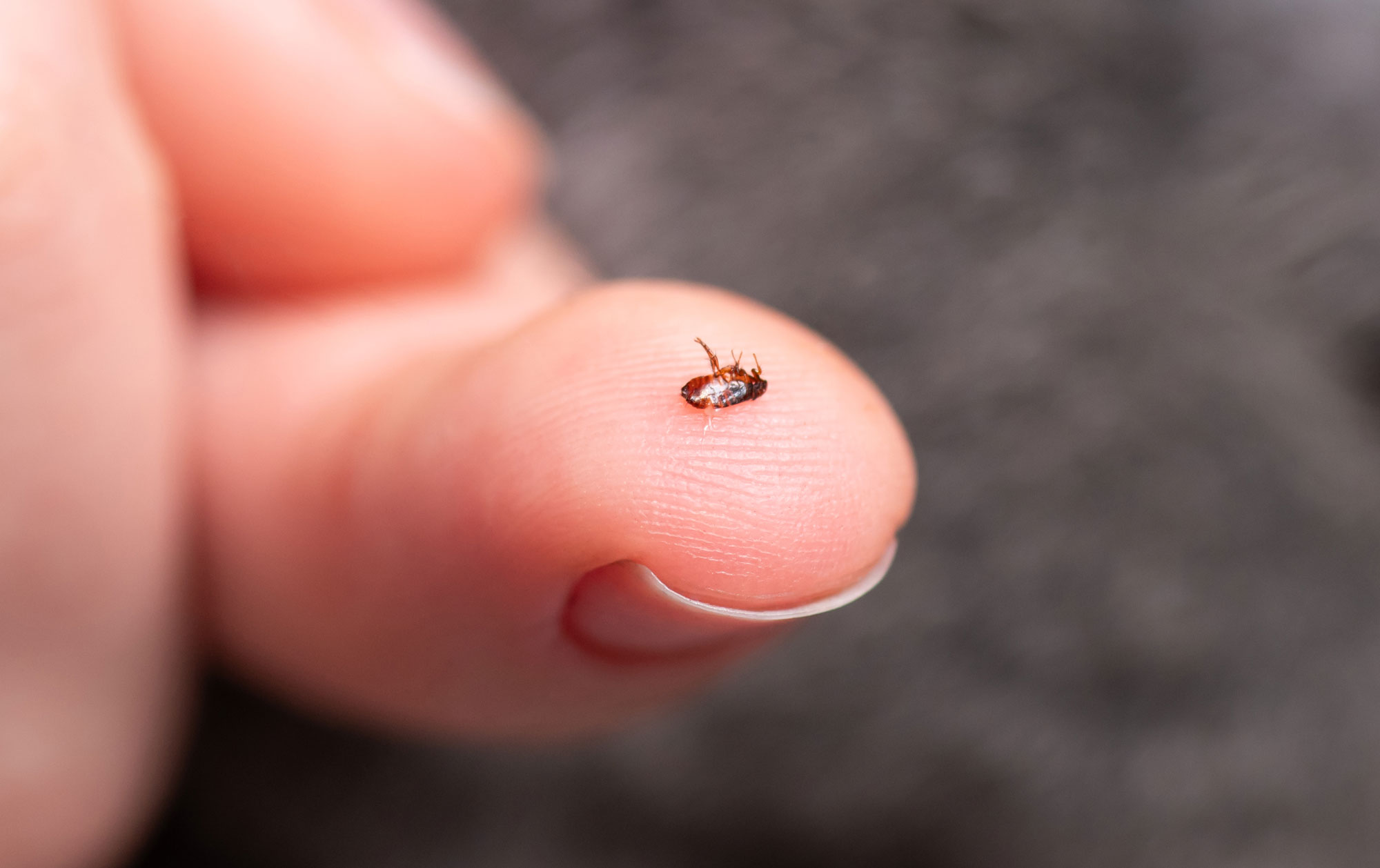
Adult fleas are small, dark brown, fast-moving insects. They are flat from side to side, which helps them slip through fur. They do not have wings and cannot fly, but they make up for that with astounding jumping ability.
On light-colored puppies, you can see fleas more easily. On dark-coated puppies, it is easier to look for movement in the fur first, then flea dirt.
Flea Dirt
Flea dirt is flea poop. More specifically, it is digested blood from your puppy, and it often looks like black pepper in the fur, on a blanket, or in the puppy’s crate. The Companion Animal Parasite Council describes flea dirt as reddish-black pellets in the hair coat, which is why it can smear red-brown when wet.
Flea Eggs
Flea eggs are tiny and pale, resembling grains of salt, so most pet parents do not notice them. They also fall off the pet into the environment, which is why treating bedding, carpet, rugs, furniture, and cracks in flooring matters when fleas show up.
Fleas go through egg, larva, pupa, and adult stages, and the life cycle can move quickly or drag on depending on the environment. Fleas hatch more quickly in warm, humid environments, and flea eggs will hatch in response to heat, carbon dioxide, or vibration.
What Do Flea Bites Look Like on Puppies?
Flea bites on puppies often look like small red bumps, sometimes with a tiny scab in the middle. You may see them on the belly, inner thighs, groin, or around the tail base where the fur is thinner or easier to part.
Some puppies get just a few bumps. Others get red, inflamed skin, crusts, hair loss, or raw hot spots from scratching and chewing. The severity of their reaction depends on whether they are sensitive to flea saliva, or not.
If your puppy has open sores, swelling, pus, a bad smell, won’t stop scratching, or seems tired or weak, that is not a “wait and see” situation. Have your puppy seen by a veterinarian as soon as possible.
How To Check Your Puppy for Fleas
To check your puppy for fleas, part the fur so you can see the skin. Comb the hair with a flea comb from skin to hair tip, and place any black specks on a wet white paper towel to see whether they turn reddish-brown, which would indicate flea dirt.
Look in Flea Hot Spots
Start where fleas like to hide: the tail base, lower back, belly, groin, armpits, neck, and behind the ears. Part the fur all the way down to the skin. Look for fast movement, black specks, redness, scabs, or thinning hair. Once you have checked these areas, check the rest of the body.
Use a Flea Comb
A flea comb has tightly spaced teeth that can pull fleas and flea dirt out of the coat. Comb slowly, then check the comb after each pass. You can keep a bowl of warm, soapy water nearby so any live fleas can be dropped in before they jump away. Start with the tail base and belly, and then work your way forward.
Try the Wet Paper Towel Test
Put any black specks you find from your puppy’s coat or comb onto a damp white paper towel. Wait a few seconds, then smear them gently. If they leave a rusty red or brown stain, that is likely flea dirt because it contains digested blood.
Can a Puppy Have Fleas Even if You Don’t See Them?
Yes. A puppy definitely can have fleas even if you never spot one. Fleas move quickly, hide deep in the coat, and spend part of their life cycle off the pet. Also, puppies groom, scratch, and wiggle, so the adult fleas you are trying to find likely will not stand still for inspection.
Finding flea dirt is reason enough to take fleas seriously. So is a classic pattern of itching around the tail base and belly, especially if another pet in the home is scratching too.
What Else Can Look Like Fleas on Puppies?
Fleas are common, but they are not the only cause of scratching. Things that may be mistaken for fleas, or that have similar signs as fleas, include:
-
Dry skin or dandruff: White flakes may sit on the coat or skin, but they do not turn red-brown when wet.
-
Dirt or sand: Puppies can pick up anything in their coat. Outdoor debris can look suspicious until you test it.
-
Mites: Mange mites can cause intense itching, hair loss, crusting, and irritated skin. You usually need a vet exam to sort this out.
-
Lice: Dog lice are less common than fleas, but they can cause itching and visible nits attached to hairs.
-
Allergies: A food allergy or environmental allergy can make puppies itchy.
-
Skin infections: Bacterial or yeast infections can cause redness, odor, bumps, scabs, and greasy skin.
-
Mosquito, tick, or bug bites: These may cause little bumps, especially on the belly or sparsely haired areas.
-
Normal puppy scratching: A little scratching can be normal. Repeated scratching, chewing, hair loss, scabs, or flea dirt are not.
If you are unsure, have your puppy checked by a veterinarian. That is especially true for puppies who are very young, very small, sick, anemic, or already irritated from scratching.
What To Do Next if You Think Your Puppy Has Fleas
If you think your puppy has fleas, remove what you can with a flea comb, contact your veterinarian, and use a puppy-safe flea treatment that your veterinarian recommends.
Your vet may recommend a prescription flea treatment, such as Simparica Trio, a monthly chewable product that kills adult fleas and is indicated for the treatment and prevention of flea infestations. It also protects against ticks, heartworm disease, and several intestinal worms.
Do not grab an old flea product from the cabinet, as there are several flea products that are unsafe for young puppies. Don’t split a dosage intended for larger dogs or cats either, as this can lead to toxicity and accidental over or under dosage.
Remember that fleas hide in the environment, so clean the areas where your puppy lives and sleeps. Don’t forget furniture, bedding, sheets, and rugs. Wash bedding, vacuum the areas where your puppy rests, and ask your vet whether every pet in the household needs treatment. Also ask your veterinarian how often to clean and for how many days.
How To Tell Your Puppy Has Fleas FAQs
What is the easiest way to tell if my puppy has fleas?
The easiest way is to use a flea comb, especially around the tail base, belly, groin, neck, and behind the ears. Look for live fleas or black specks. Put the specks on a damp white paper towel. If they smear reddish-brown, that is likely evidence of fleas called flea dirt.
Can my puppy have fleas if they are not scratching?
Yes. Some puppies do not scratch much, even when they have fleas. Others scratch after just one or two bites. Look for flea dirt, live fleas, red bumps, hair loss, or restless grooming. If another pet in the home has fleas, assume your puppy may be exposed too.
What can be mistaken for fleas on a puppy?
Dandruff, dirt, sand, mites, lice, allergies, skin infections, mosquito bites, ant bites, and normal puppy scratching can all be confused with fleas and/or signs of fleas. Flea dirt usually turns reddish-brown on a wet white paper towel. When in doubt, have your veterinarian take a look.
References
Companion Animal Parasite Council. “CAPC Guidelines: Fleas.” The CAPC guideline describes flea species, flea dirt, feeding behavior, and egg production in dogs and cats.
Centers for Disease Control and Prevention. “Flea Lifecycles.” Updated May 15, 2024. The CDC describes flea life stages and environmental persistence.
Merck Veterinary Manual. “Flea Allergy Dermatitis in Dogs and Cats.” Updated 2026. This veterinary reference describes clinical signs and common body distribution for flea allergy dermatitis.
Stolper, R., and others. “Flea Allergy Dermatitis in Dogs Diagnosed by Intradermal Skin Testing.” Research in Veterinary Science volume 57 number 1 (1994): 21–27.
Zoetis. “Simparica Trio Prescribing Information.” This label document covers indications, minimum age and weight, and monthly use.


