How To Bathe a Dog: Expert Tips for Safe Home Grooming


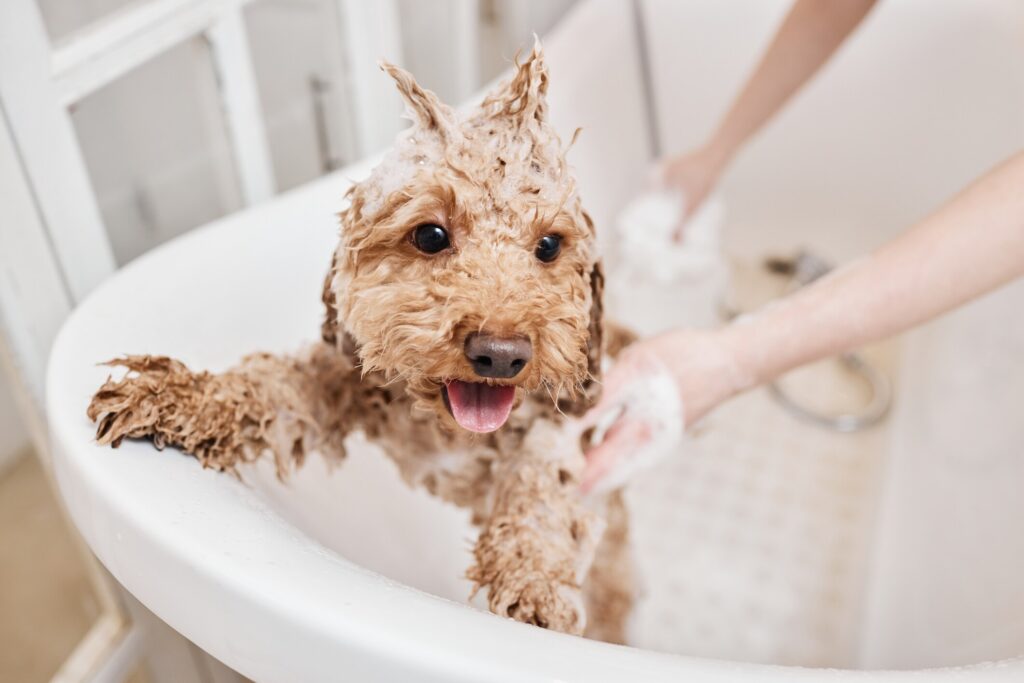
SeventyFour/iStock / Getty Images Plus via Getty Images
Your pup’s bath time can either be a joyful experience ripe with adorable moments, or it can go sideways in a matter of seconds. The key to learning how to bathe a dog is setting both parties up for success.
That means having all the supplies you need on hand and creating a calm, stress-free environment before you even turn on the water or squeeze a drop of dog shampoo. You’ll also want to know the fastest, easiest method for washing a dog to ensure they’re sparkling clean and smelling fresh afterward. We’re covering all that, and more, ahead.
Key Takeaways
- Before bathing your dog, gather your supplies, including dog-safe shampoo, towels, and a non-slip mat.
- Brush your dog's coat before bathing to remove loose fur and help prevent tangles.
- Use lukewarm water and dog-safe shampoo, taking care to avoid your dog's eyes, ears, and nose. Rinse thoroughly and dry their coat afterward.
- Many dogs benefit from bathing about once a month, but the ideal frequency depends on their coat, lifestyle, and skin health.
Dog Bath Supply Checklist
Start by gathering all the essentials. Here’s what to keep on hand to ensure a smooth and successful dog bath:
- Non-slip mat
- Pet-safe shampoo
- Cup
- Washcloth
- Washing mitts (optional)
- Lick mat (optional)
- High-value treats, especially if your dog doesn't like baths
- Towel
- Ear protection, like a Happy Hoodie (optional if blow-drying)
- Blow dryer (optional, but helpful for long haired and double-coated breeds)
How To Bathe a Dog Step by Step
To bathe a dog at home, brush their coat, place them on a non-slip surface, and wet their fur with lukewarm water. Massage dog-safe shampoo into their fur, rinse thoroughly, carefully clean their face, and dry their coat with towels or a pet-safe dryer.
Follow these simple steps, and remember that the process will become easier with experience.
1. Create a Safe, Calm Bathing Environment
To ensure your dog is comfortable during bath time, start by creating a safe, non-slip environment.
“Use a non-slip mat in the tub or shower to prevent slipping, and ensure the water temperature is warm but not too hot or cold, as pets can be sensitive to extreme temperatures,” says Sarah Cortright, DVM, veterinarian and chief medical director for the Underdog Community Project in Orange County, California.
She says to avoid using high-pressure water (like a showerhead) since that can be stressful for some dogs. Instead, use a cup or a lower-pressure device for rinsing. Soft washing mitts can also help ensure a good, thorough wash without feeling too harsh. Also, speak to your dog in a calm, soothing voice throughout the process.
2. Brush Your Dog’s Fur
Before turning the water on, brush your dog. This helps get rid of excess hair so you have less buildup in the tub and an easier time washing, explains Erin Askeland, CPDT-KA, CBCC-KA, Camp Bow Wow’s animal health and behavior expert.
If possible, or if your pup is particularly challenging to bathe, try to have two people available: one to bathe and one to occupy your pup, Askeland advises. “Lick mats can also be a helpful distraction tool while in the bath, which can be smeared with your pup’s favorite type of lickable treat.”
3. Wash Their Body from the Neck Down
To bathe, start at the base of the neck to wet a dog’s coat fully. Apply a pet-safe shampoo and gently massage into their wet coat.
Some shampoos recommend allowing the product to sit for a short period of time to maximize their effectiveness. Follow the instructions on the shampoo packaging and contact your veterinarian if you have questions.
After, Askeland says to “rinse until the water runs clean. Double-check areas like armpits and under the chest to ensure all soap is removed.”
4. Carefully Wash Their Face
Washing your dog’s face requires an extra dose of gentleness and care, making sure to avoid dripping water or shampoo into their eyes, nose, and ears.
“For the face, use a wet washcloth to carefully wet your dog’s face,” Askeland instructs. “Put a very small amount of shampoo on the washcloth or use your hands to massage in the shampoo. Then rinse with your washcloth again.”
Make sure you take short breaks if your pup appears to be stressed, Askeland advises. She says, “Signs of stress may include more subtle signs like lip licking, yawning, or a tucked tail, or become more extreme with cowering, freezing, or attempts to escape.”
If your dog has tear stains, you can try using a face-specific cleanser or wipes to clean around their eyes.
5. Gently Dry Your Pup
Guide your dog out of the bathtub and onto a non-slip mat or surface. Wrap them in a towel, gently patting them dry to remove excess water. Avoid rubbing too much because that can tangle their fur or potentially irritate their skin.
It may be helpful to use a cotton ball to gently dry around the opening of the ear canal to reduce moisture in the ears, which can help avoid yeast and bacteria infections.
For dogs with thicker coats, you may need multiple towels and/or a pet-safe blow dryer on a low, cool setting to ensure they’re completely dry. If you use a blow dryer, we recommend using ear protection, like a headband over your dog’s ears, to minimize loud noises. Monitor your dog for signs of stress while using the blow-dryer and take breaks as needed.
Bathing Dogs FAQs
How often should dogs be bathed?
Many dogs can be bathed about once a month, but bathing frequency depends on their coat, skin health, and lifestyle.
For example, dogs with allergies, skin issues, or specific conditions may need more frequent baths as directed by their veterinarian. And active dogs that hike, swim, or get dirty frequently should be bathed after these activities to remove dirt, debris, or saltwater. Ask your vet how often to bathe your dog.
What can I use instead of dog shampoo?
You should only use dog-safe shampoos when bathing your dog. These products are formulated for your dogs’ pH and health. Products not formulated for dogs can create irritation, not rinse thoroughly, or lead to other issues like matting, knotting, or poor cleansing.
Can I use Dawn to wash my dog?
Dawn dish soap should not be used to bathe your dog under normal circumstances. While it’s effective for removing substances in extreme situations—such as during oil spill rescues—it’s a harsh detergent that can strip your dog’s skin of natural oils, leading to dryness and irritation.


