10 Most Common Dog Skin Conditions: How To Spot, Diagnose, and Treat
SPONSORED BY





Cole_21/iStock / Getty Images Plus via Getty Images
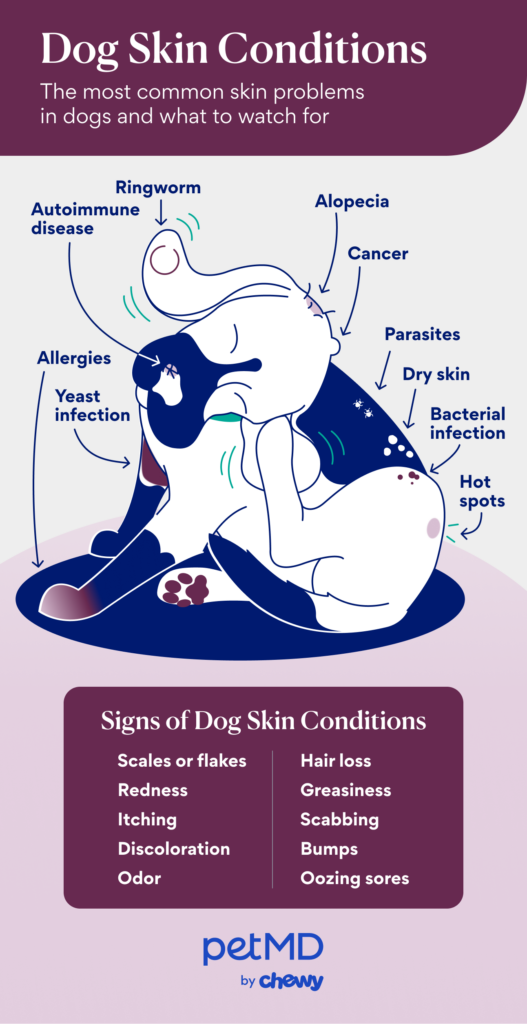
Dog skin conditions are one of the most common reasons for veterinary visits. Common skin problems in dogs include allergies, parasites, skin infections, hot spots, dry skin, and skin growths.
Depending on the underlying cause, treatment may include anti-itch medications, antibiotics or antifungal medications, parasite control, medicated shampoos, diet changes, or surgery to remove certain skin growths. For example, if your dog has environmental allergies, aka allergic dermatitis, your vet may recommend anti-itch medications, such as Numelvi (atinvicitinib tablets).
Learning to recognize the signs of a skin problem can help you know when it’s time to see your veterinarian. Your vet is the best person to determine the cause and recommend the right treatment plan for your dog.
Key Takeaways
- Skin problems are among the most common reasons dogs visit the veterinarian.
- Allergies, parasites, infections, and hormonal diseases are frequent causes of skin problems in canines.
- Common signs of dog skin conditions include itching, redness, hair loss, flaky skin, scabs, odor, and sores.
- Early diagnosis often leads to better treatment outcomes.
- Treatment of dog skin problems depends on the underlying cause and may include various types of medications, diet change, medicated shampoos, sprays or wipes, or surgery to remove growths.
Symptoms of Skin Problems in Dogs
Your dog’s skin should be soft and clear of bumps, scales, or discoloration. Dogs with skin issues commonly display any of the following symptoms:
- Scales or flakes
- Redness
- Hair loss
- Discoloration
- Odor
- Itching
- Greasiness
- Scabbing
- Bumps
- Oozing sores
When should you call a veterinarian?
Schedule an appointment if symptoms last more than a few days, worsen over time, or cause significant discomfort. Immediate veterinary care may be needed if your dog develops open wounds, severe swelling, or signs of infection.
How Veterinarians Diagnose Dog Skin Problems
Because many skin conditions have similar symptoms, diagnosis often involves multiple tests. Your veterinarian may perform:
- Physical examination
- Skin scraping
- Cytology
- Fungal testing
- Allergy testing
- Blood work
- Elimination diet trials
Identifying the root cause is often the key to long-term control.
10 Most Common Dog Skin Conditions
Many medical conditions can affect your dog’s skin. Let’s look at the most common skin conditions in dogs and how they are typically treated.
1. Allergies
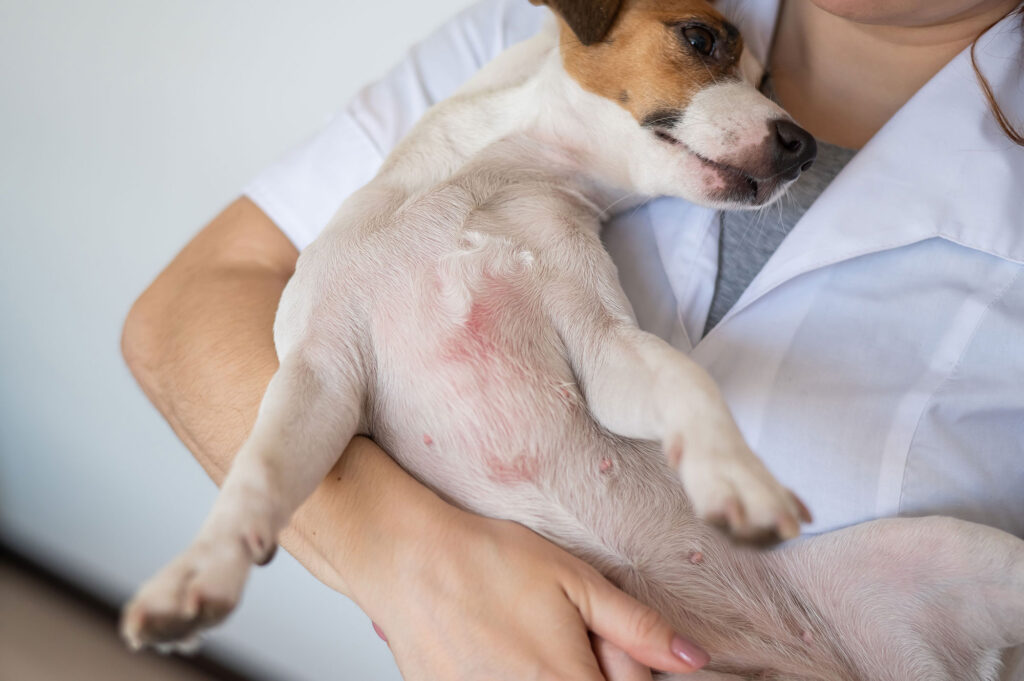
Allergies are one of the most common conditions affecting the skin in dogs. Dog allergies are an immune response to a certain trigger, such as fleas, food ingredients, or environmental allergens like pollens, dust mites, and mold. Dogs may have more than one allergy trigger.
Common Signs of Allergies in Dogs
Symptoms will vary depending on the type of allergy your dog has, but may include:
- Itchy skin
- Excessive scratching or licking
- Face rubbing on floors or furniture
- Red or inflamed skin
- Hair loss
- Recurrent skin or ear infections
- Gastrointestinal issues (vomiting or loose stools) specific to food allergies
Treatment of Allergies in Dogs
Treatment for allergies in dogs depends on the underlying cause. Your veterinarian may recommend:
- Anti-itch medications, such as Numelvi (atinvicitinib tablets), which is a prescription medication for the control of pruritus (itching) associated with allergic dermatitis (aka environmental allergies) in dogs at least 6 months old. Given daily with food, Numelvi starts working quickly to relieve allergic itch.
- Steroids to help reduce inflammation that drives itching
- Allergy injections (immunotherapy)
- Flea medication to kill and prevent fleas
- A hypoallergenic diet
2. External Parasites (Fleas, Ticks, and Mites)
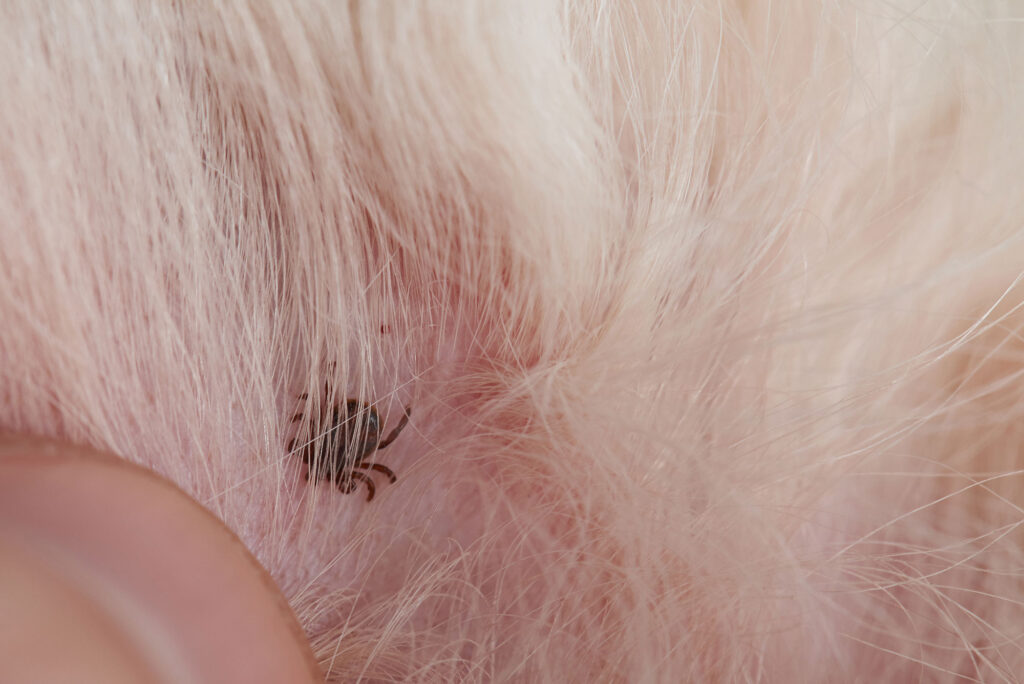
External parasites are a common cause of dog skin issues. The most common parasites in dogs are fleas, ticks, and mites.
Common Signs of Fleas, Ticks, and Mites
- Intense or increased itching
- Biting or chewing of the skin
- Visible fleas, ticks, or mites on the skin
- Flea dirt, aka flea feces
- Hair loss
- Small red bumps (bite marks)
Treatment of Fleas, Ticks, and Mites
Treatment focuses on eliminating the parasite while relieving your dog's discomfort. Common treatments include:
- Flea and tick medications, such as BRAVECTO (fluralaner) Chews for Dogs, a prescription treatment that offers up to 12 weeks of protection
- Physically removing any ticks
- Mite treatments
- Environmental flea control (e.g. vacuuming, washing bedding, etc.)
- Anti-itch medications
- Medicated shampoos
3. Bacterial Skin Infections
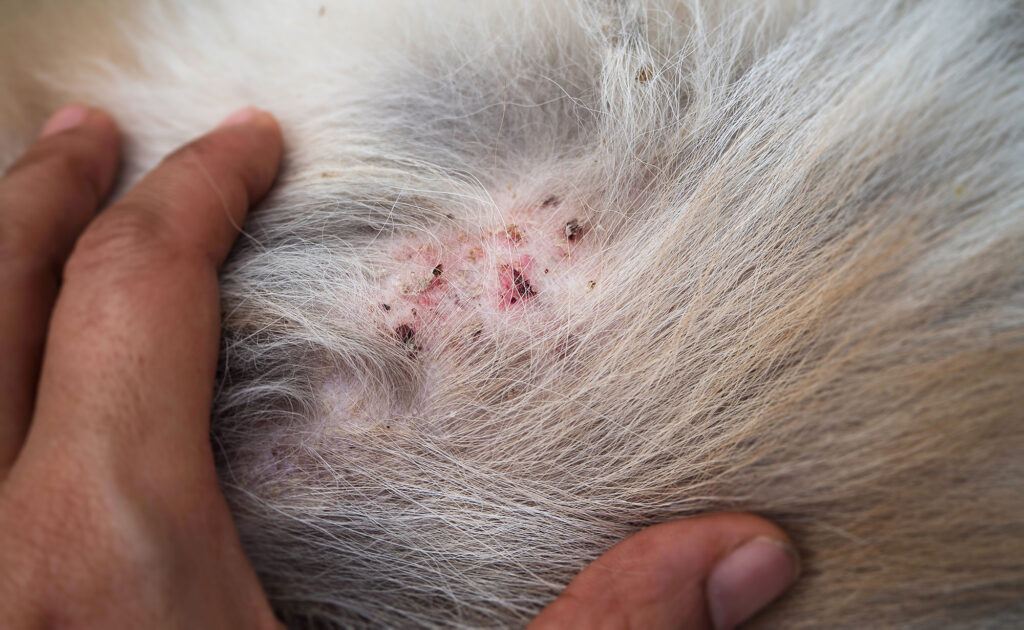
Skin infections are a common skin disorder in dogs. They are often caused by an overgrowth of normal skin bacteria, which can occur when a dog’s immune system has other issues, such as allergies or an underlying disease. Skin infections can also occur when bacteria that are not part of the normal skin flora enter the skin through a small scrape or puncture.
Common Signs of Bacterial Skin Infections
Signs of bacterial skin infections include:
- Red skin
- Small red bumps or pustules
- Scaly red patches
- Crusts
- Patchy hair loss
Treatment of Bacterial Skin Infections
Most bacterial skin infections require veterinary treatment and addressing the underlying cause to prevent recurrence. Common treatments include:
- Oral antibiotics
- Medicated shampoos
- Antiseptic wipes
- Allergy management
4. Hot Spots
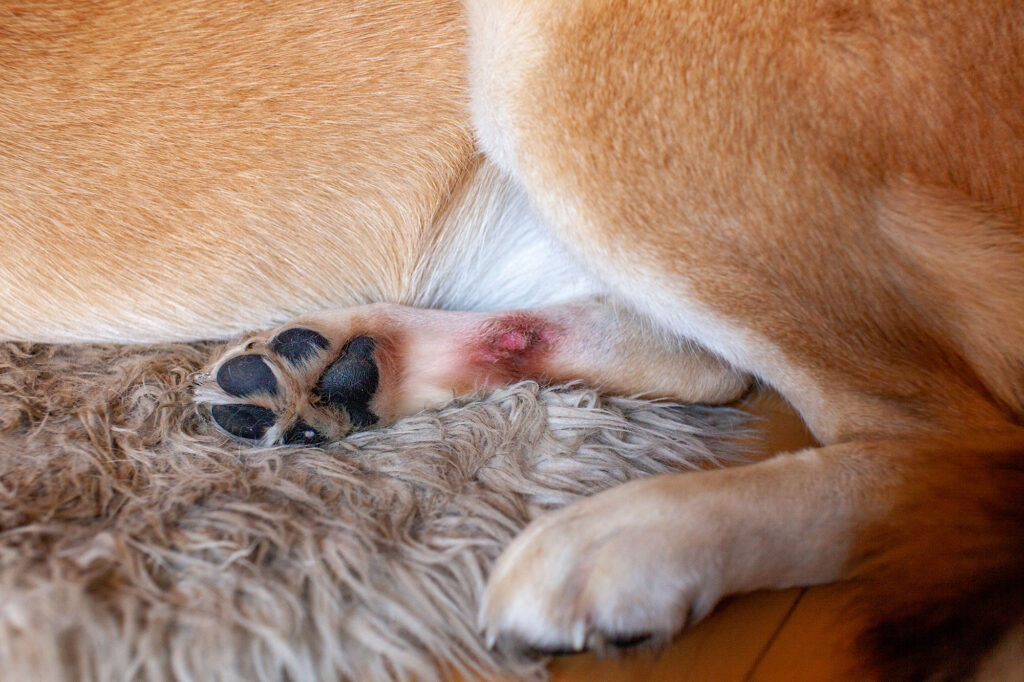
Hot spots are regions of moist, red, inflamed skin that can appear quickly after a dog repeatedly licks, chews, or scratches an itchy area. They often develop secondary to allergies, insect bites, or skin irritation.
Common Signs of Hot Spots
- Moist, red wound
- Painful when touched
- Constant licking
- Oozing skin
- Matted hair around lesion
Treatment of Hot Spots
Hot spots need prompt treatment to stop the itch-scratch cycle and allow healing. Common treatments may include:
- Antibiotics
- Anti-itch medications, such as Numelvi
- Medicated sprays
- Clipping the surrounding hair
- Recovery cones to prevent scratching of the area
5. Yeast Infections
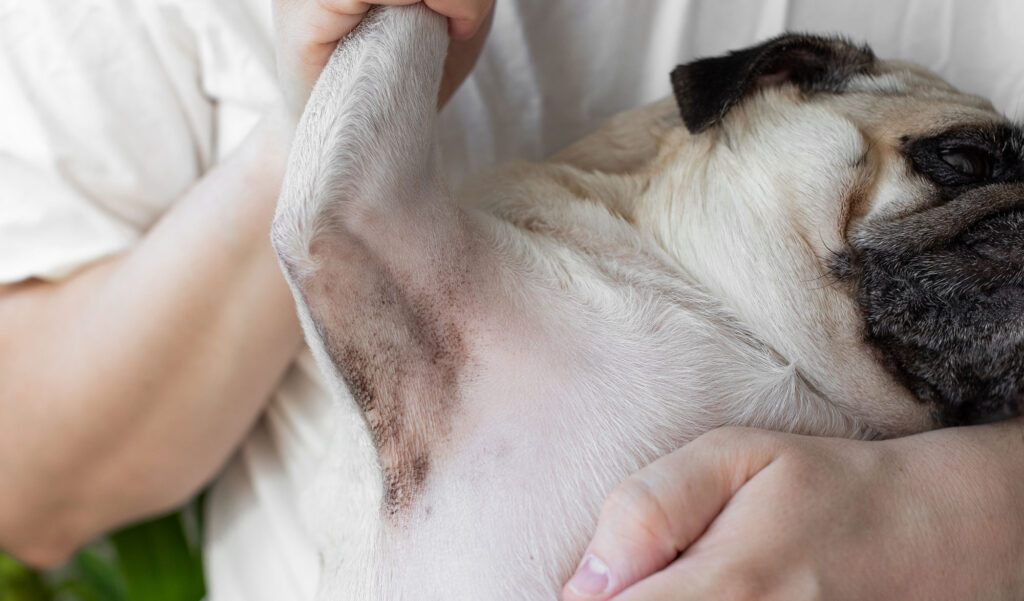
Yeast skin infections are caused by an overgrowth of the normal yeast organisms found on your dog’s skin. Yeast infections are especially common in dogs with allergies and often produce a distinctive, musty odor.
Common Signs of Yeast Infections
- Itching
- Licking
- Red, inflamed skin
- Greasy skin
- Musty odor
- Hyperpigmentation, or darker skin, on the belly, groin, and armpits
- Hair loss
Treatment of Yeast Skin Infections
Treatment aims to reduce the yeast overgrowth while addressing the underlying cause. Common treatments include:
- Oral antifungal medications
- Antifungal shampoos
- Medicated wipes
- Allergy management
- Routine ear cleaning
6. Ringworm
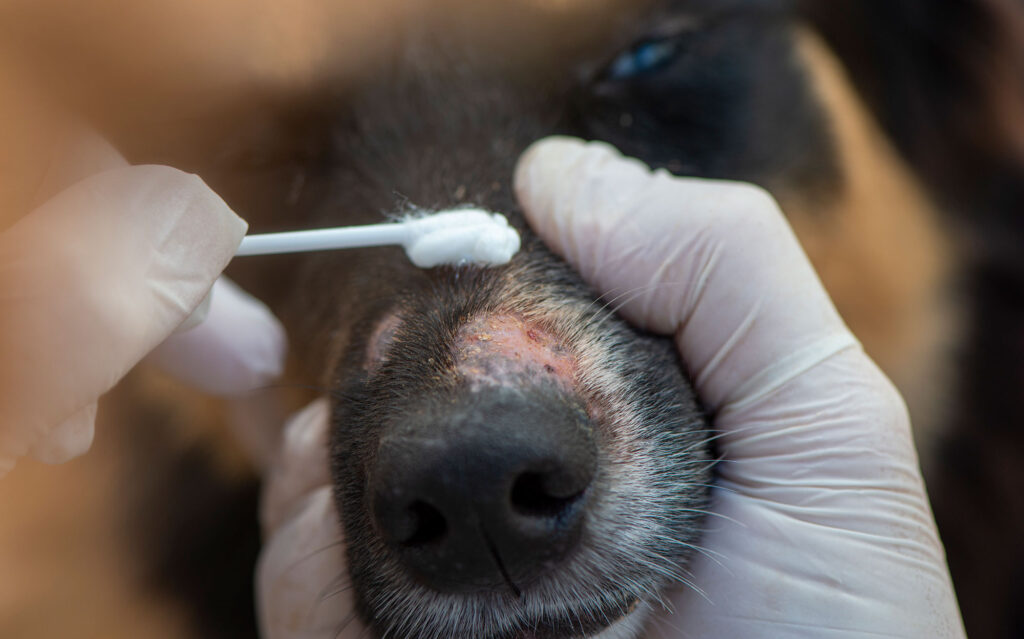
Despite its name, ringworm is caused by a fungus rather than a worm. Ringworm is zoonotic, meaning it can be spread from animals to humans. The condition got its name from the characteristic round, red ring that it often causes in people.
Common Signs of Ringworm in Dogs
- Circular patches of hair loss
- Scaling
- Red skin
- Mild itching
- Crusting
Treatment of Ringworm in Dogs
Most dogs need both topical and oral antifungal treatment until the infection has cleared. Common treatments include:
- Oral antifungal medication
- Topical antifungal creams
- Medicated shampoos
- Environmental cleaning and disinfection
7. Dry Skin
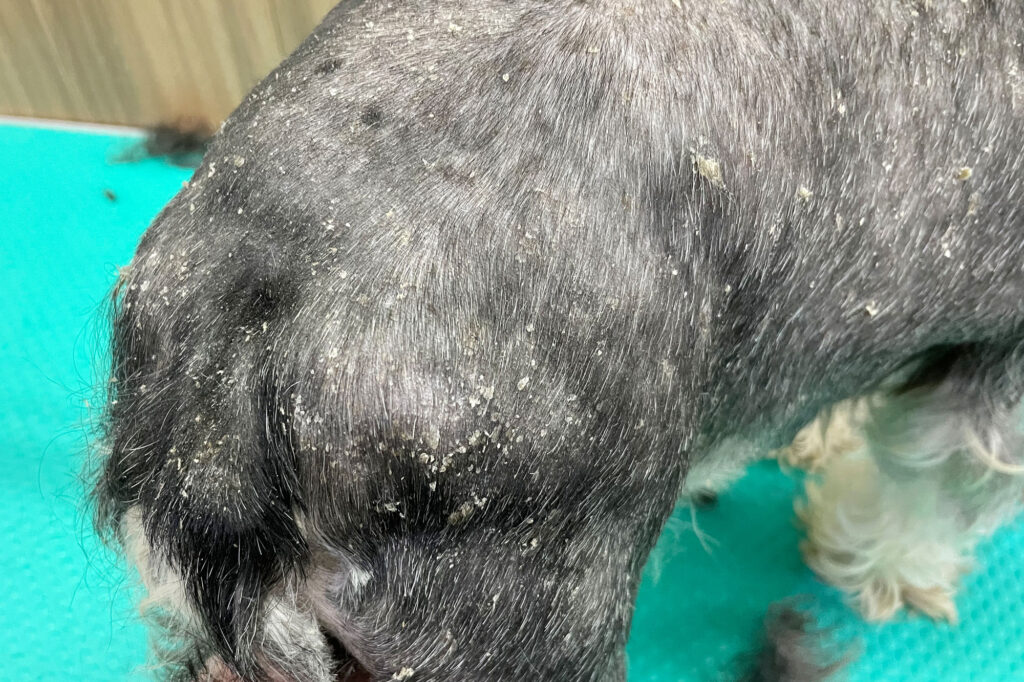
Dry skin in dogs, which can be accompanied by dander (flakiness), has many causes. Dry skin can be a normal puppy skin condition in pups who haven’t yet developed the oil glands that keep their coat shiny. Dry weather is a common cause of dry skin; however, dry skin can also indicate inadequate nutrition or an underlying disease.
Common Signs of Dry Skin in Dogs
- Flaking
- Dandruff
- Mild itching
- Dull coat
- Dry patches
Treatment of Dry Skin in Dogs
Treatment depends on the underlying cause and focuses on restoring the skin barrier. Common treatments include:
- Moisturizing products
- Omega-3 supplements
- Humidification
- Dietary changes
- Treating underlying disease
8. Alopecia
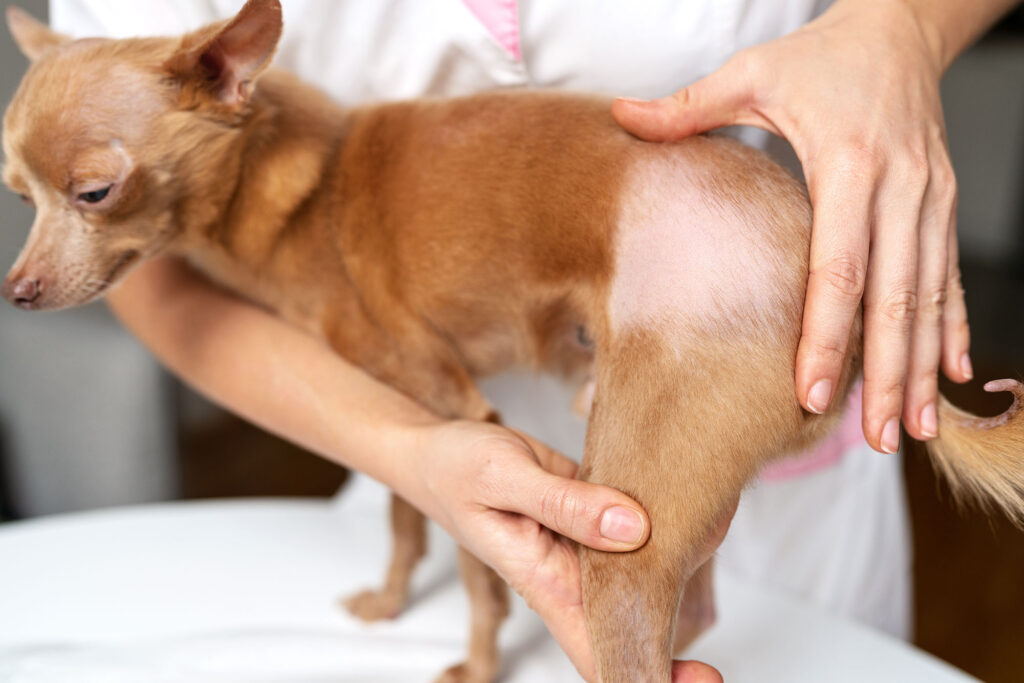
Alopecia, or hair loss, can develop as a complication of many underlying conditions, including allergies, external parasites, skin infections, certain drug reactions, genetic disease, or hormonal disorders, such as hypothyroidism or Cushing's disease.
Common Signs of Alopecia in Dogs
- Patchy hair loss
- Thinning coat
- Excess shedding
- Skin discoloration
- Itching (sometimes)
If your dog develops hair loss without signs of a skin infection or parasites, your veterinarian may recommend blood work to test for underlying diseases.
Some dogs experience a type of hair loss called alopecia X. This is a genetic disease that is more common in breeds with dense undercoats like Pomeranians, Chow Chows, and Alaskan Malamutes. Affected dogs develop hair loss without skin inflammation.
Treatment of Alopecia in Dogs
Treatment varies depending on what is causing the hair loss. Common treatments include:
- Allergy management
- Parasite control
- Antibiotics or antifungals
- Hormone therapy (when indicated)
- Nutritional support
Alopecia X in male dogs may improve when they are neutered, and melatonin may be helpful in some cases.
9. Skin Cancer
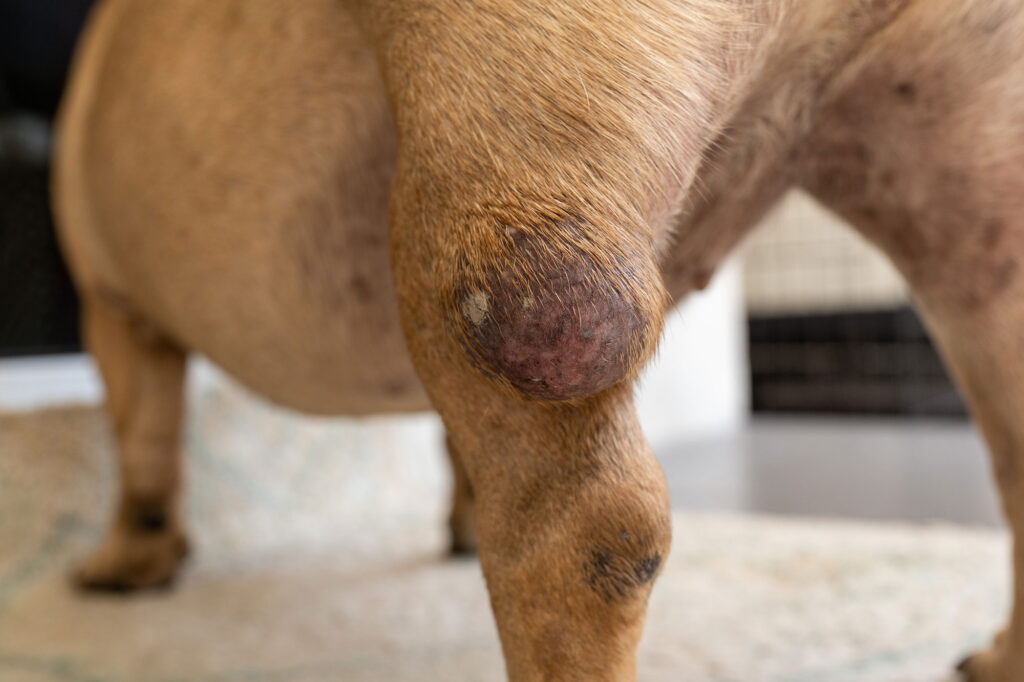
Skin cancer refers to the abnormal growth of skin cells and can appear as new lumps, bumps, sores, or changes in existing skin lesions. While some skin tumors are benign, others are cancerous, making it important to have any new or changing skin growth evaluated by your veterinarian as soon as possible.
Common Signs of Skin Cancer in Dogs
While some types of skin cancer cause obvious masses, other types cause more subtle signs. Common signs of skin cancer include:
- New lump or bump on the skin
- Growth that changes in size, shape, or color
- Sore that doesn't heal
- Bleeding or ulcerated skin lesion
- Swelling around a mass
- Hair loss over a lump
- Frequent licking or chewing at a skin growth
- Pain or discomfort when the area is touched
Any growths, non-healing wounds, or discolored regions on your dog’s skin should be examined by your veterinarian for proper diagnosis.
Treatment of Skin Cancer in Dogs
Treatment depends on the type of skin cancer, its location, whether it has spread, and your dog's overall health. Common treatments include:
- Surgery to remove the tumor
- Radiation therapy, which uses focused, high-energy beams to treat the tumor
- Chemotherapy, in which a medication is given either intravenously or by mouth
- Immunotherapy, which stimulates your pet’s own immune system to fight off cancerous cells
- Pain management and supportive care
10. Autoimmune Disease
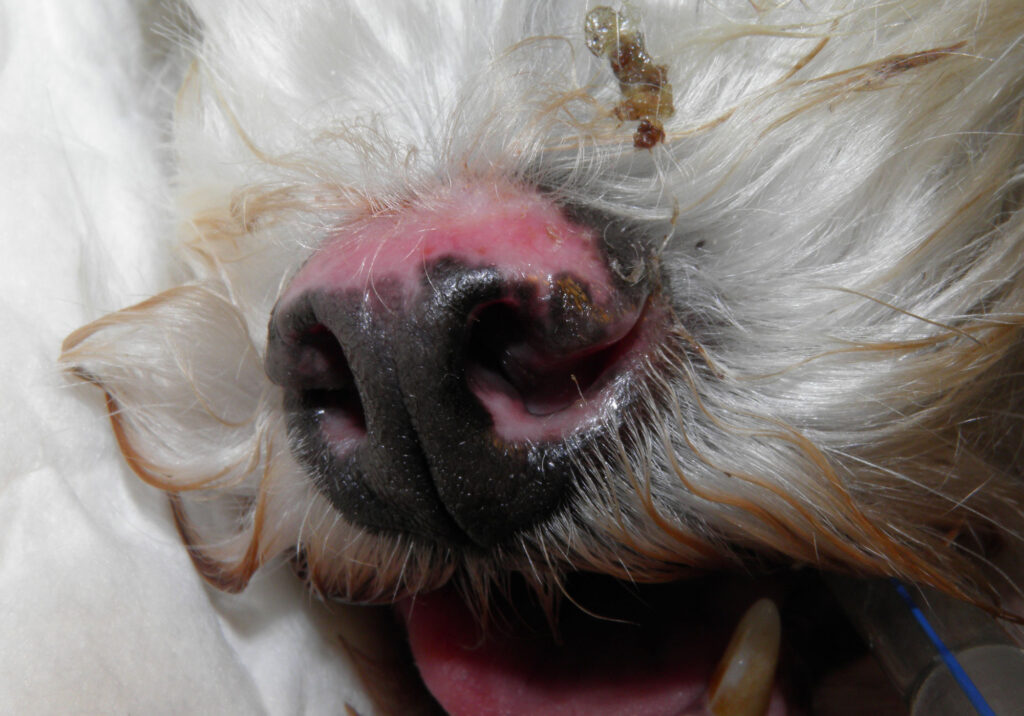
Autoimmune diseases occur when a dog’s immune system attacks normal body cells or tissue. Autoimmune diseases are usually inherited, but onset can sometimes be triggered by a drug reaction. Examples of autoimmune diseases in dogs include pemphigus and lupus.
Common Signs of Autoimmune Disease in Dogs
Autoimmune skin disease typically leads to inflammation, sores, and other skin changes. Signs commonly include:
- Crusting
- Pustules
- Hair loss
- Lesions around the nose, lips, eyes, ears, or footpads
- Skin depigmentation (loss of normal skin color)
- Secondary skin infections
Treatment of Autoimmune Disease in Dogs
Treatment focuses on suppressing the abnormal immune response while managing secondary infections and keeping your dog comfortable. Many dogs require long-term treatment and regular veterinary monitoring. Common treatments include:
- Immunosuppressive medications
- Corticosteroids
- Other immune-modulating medications
- Antibiotics or antifungal medications for secondary infections
- Medicated shampoos or topical treatments
- Regular follow-up examinations and blood work to monitor therapy
- Supportive skin care and wound management
Dog Skin Conditions FAQs
What is the most common skin problem in dogs?
Allergies are among the most common causes of skin disease in dogs and frequently lead to itching, redness, and recurrent infections.
Why is my dog constantly scratching?
Persistent scratching is often caused by allergies, fleas, mites, infections, or other skin disorders. A veterinary examination can help determine the cause.
Can dog skin infections go away on their own?
Some mild cases may improve on their own, but many bacterial and yeast infections require veterinary treatment and management of the underlying cause.
What causes hair loss in dogs?
Hair loss can result from allergies, parasites, infections, hormonal diseases, or other medical conditions. It’s important to speak with your vet to determine the cause and how best to manage it.
Are dog skin conditions contagious?
Some conditions, such as ringworm and certain parasites, can spread to other animals or people. Many allergic and hormonal conditions are not contagious.
When should I take my dog to the vet for skin problems?
Seek veterinary care if symptoms are severe, persistent, recurrent, or accompanied by open wounds, infection, or significant discomfort.
Important Safety Information for Numelvi
NUMELVI is not for use in dogs less than 6 months of age or those with serious infections. NUMELVI may increase susceptibility to opportunistic infections, including demodicosis and interdigital furunculosis. Consider the risks and benefits of treatment prior to initiating NUMELVI in dogs with a history of recurrent demodicosis. NUMELVI is a JAK inhibitor. New neoplastic conditions (benign and malignant) have been reported in dogs treated with other JAK inhibitors. The effectiveness and safety of NUMELVI have not been evaluated in a field study beyond 28 days. The safe use of NUMELVI has not been evaluated in breeding, pregnant, or lactating dogs, nor in combination with glucocorticoids, cyclosporine, or other systemic immunosuppressive agents. For complete safety information, refer to the product label.
Important Safety Information for Bravecto
BRAVECTO (fluralaner) Chews for Dogs: The most commonly reported adverse reactions include vomiting, lethargy, diarrhea, anorexia and pruritus. In some cases, adverse events have been reported following use in breeding females. BRAVECTO Chews has not been shown to be effective for 12-weeks' duration in puppies less than 6 months of age. BRAVECTO Chews is not effective against lone star ticks beyond 8 weeks of dosing. Fluralaner is a member of the isoxazoline class. This class has been associated with neurologic adverse reactions including tremors, ataxia, and seizures. Seizures have been reported in dogs receiving isoxazoline class drugs, even in dogs without a history of seizures. Use with caution in dogs with a history of seizures or neurologic disorders. Before use in breeding female dogs, refer to Post-Approval Experience and Animal Safety Sections.
References
Hensel P, Saridomichelakis M, Eisenschenk M, et al. Update on the role of genetic factors, environmental factors and allergens in canine atopic dermatitis. Vet Dermatol. 2024;35(1):15-24. doi:10.1111/vde.13210
Loeffler A, Cain CL, Ferrer L, et al. Antimicrobial use guidelines for canine pyoderma by the International Society for Companion Animal Infectious Diseases (ISCAID). Vet Dermatol. 2025;36(3):234-282. doi:10.1111/vde.13342
Aufox EE, Frank LA, Grieco LF. Acute moist dermatitis. Clinician's Brief. September 2019.
Bond R, Morris DO, Guillot J, et al. Biology, diagnosis and treatment of Malassezia dermatitis in dogs and cats: Clinical Consensus Guidelines of the World Association for Veterinary Dermatology. Vet Dermatol. 2020;31(1):27-e4. doi:10.1111/vde.12809
Moriello KA, Coyner K, Paterson S, Mignon B. Diagnosis and treatment of dermatophytosis in dogs and cats: Clinical Consensus Guidelines of the World Association for Veterinary Dermatology. Vet Dermatol. 2017;28(3):266-e68. doi:10.1111/vde.12440
Welle MM. Canine noninflammatory alopecia: An approach to its classification and a diagnostic aid. Vet Pathol. 2023;60(6):748-769. doi:10.1177/03009858231170295
Olivry T. A review of autoimmune skin diseases in domestic animals: I—Superficial pemphigus. Vet Dermatol. 2006;17(5):291-305. doi:10.1111/j.1365-3164.2006.00540.x


