Dog Arthritis Treatment: How To Help a Dog With Arthritis


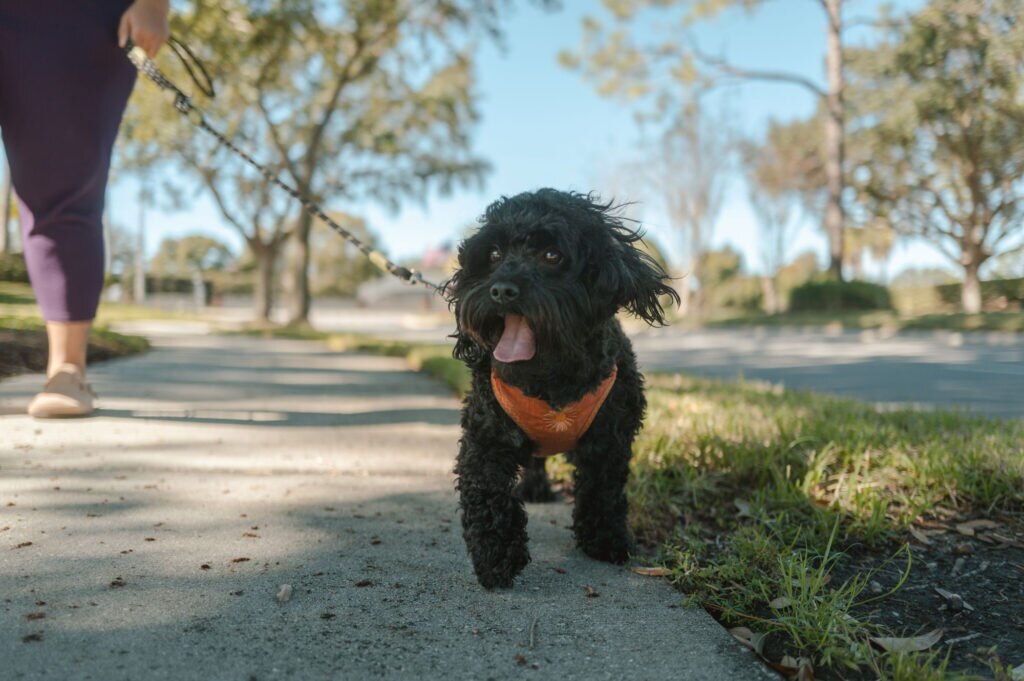
carlofranco/iStock / Getty Images Plus via Getty Images
Arthritis in dogs is a common condition that causes joint pain and can make everyday activities, such as walking, more difficult. Dog arthritis treatment typically combines veterinarian-prescribed pain management with various therapies and changes to your home to help keep your dog comfortable and mobile.
If your dog is showing signs of joint pain or changes in mobility, talk to your veterinarian. They can determine the cause and recommend an arthritis treatment plan tailored to your dog’s needs.
Key Takeaways
- Dog arthritis causes inflammation, swelling, or tenderness in one or more joints and can occur due to genetics, age, infection, disease, injury, or overuse.
- Dog arthritis cannot be cured. Instead, treatment focuses on helping manage pain and supporting your dog's mobility.
- A multimodal treatment plan may combine medications, supplements, exercise, physical therapy, and other supportive care.
- Making your home more accessible can help keep your dog comfortable.
- Always talk to your veterinarian before starting medications, supplements, diets, or other treatments for dog arthritis.
How Is Arthritis in Dogs Treated?
There is no cure for dog arthritis. The goal is to manage pain and provide a good quality of life. To that end, veterinarians typically recommend a combination of pain medications, lifestyle changes, and supportive therapies. This is known as a multimodal approach.
Depending on your dog's needs, their multimodal arthritis treatment plan might include:
- Prescription pain medications
- Joint health supplements
- Weight management
- Low-impact exercise
- Physical therapy
- Veterinary diet
- Complementary therapies, such as laser therapy
- Modifications around your home
There is no single arthritis treatment that's right for every dog. Your veterinarian can recommend a plan based on factors such as your dog's age, weight, overall health, mobility, and degree of joint pain.
Medicine for Dogs With Arthritis
Your veterinarian’s goal for your dog is to relieve their pain first, so then they will feel like moving around again. While there isn’t a cure for arthritis in dogs, there are medications that can help relieve joint pain and inflammation. These include:
- NSAIDs: Nonsteroidal anti-inflammatory drugs (NSAIDs) play a major role in controlling dog joint pain and inflammation. For example, Galliprant (grapiprant tablets) is a prescription NSAID that can be used at the earliest signs of osteoarthritis in dogs. The flavored chewable tablet can be given daily for short- or long-term management of canine osteoarthritis (also known as OA).
- Additional pain medication: There are other non-NSAID pain medications your vet may recommend, usually to augment NSAID therapy and block pain from a different pathway. Those may include gabapentin or tramadol. Also, muscle relaxers such as methocarbamol may sometimes be added to pain protocols.
- Adequan: Adequan (polysulfated glycosaminoglycan) is an injectable medication, administered by your veterinarian two times a week for up to four weeks, to help with inflammation and to increase joint lubrication.
- Librela: Librela is an anti-nerve growth factor (NGF) monoclonal antibody (Mab) therapy used to treat the pain associated with osteoarthritis in dogs. It is a once-a-month injection given by your veterinarian.
Weight Management for Dogs With Arthritis
Weight management is an important part of relieving dog joint pain. Obesity contributes to increased pressure on the joints, which leads to pain and discomfort.
Controlling your dog’s weight can help ease their pain as they age. Speak with your veterinarian about the ideal weight for your pet and long-term weight management.
Exercise for Dogs With Arthritis
Consider daily exercise, letting your dog choose their own activity level, under the guidance of your veterinarian.
An example exercise plan for an arthritis dog might be to start with short walks, up to 10 or 15 minutes, three to four times per day. Following the same low-impact routine every day (that means NO ball chasing, running, or jumping) is key to giving your dog some exercise without increasing stress or pain.
Speak with your veterinarian about consulting a certified small animal physical rehabilitation practitioner. They can lead your dog through therapeutic exercises like passive stretching, range of motion exercises, strength exercises, controlled walking with obstacles, and using underwater treadmills.
Physical Therapy for Dogs With Arthritis
Physical therapy in dogs can be used to help restore or improve mobility, function, and quality of life. The goals of physical therapy may include weight loss, reduced pain, reduced inflammation, increased range of motion, improved balance, and increased muscle strength. Some common physical therapy techniques include:
- Passive range of motion
- Treadmill
- Underwater treadmill
- Massage
- Therapeutic exercises for strength and balance
Supplements for Dogs With Arthritis
Certain supplements for dogs can help support joint health and mobility. The best joint supplements for dogs feature clinically studied ingredients, are backed by research to ensure quality and safety, and come from a vet-trusted brand name. Look for those that contain ingredients, such as:
- Chondroitin sulfate
- Docosahexaenoic acid (DHA)
- Eicosapentaenoic acid (EPA)
- Glucosamine hydrochloride
- Green-lipped mussel, which contains eicosatetraenoic acid (ETA)
- Long-chain omega-3 fatty acids
- Methylsulfonylmethane (MSM)
A few vet-recommended dog joint supplements include Dasuquin with MSM Joint Health Supplement, VetriScience GlycoFlex 3 Extra Strength Healthy Hip & Joint Soft Chews, and Nutramax Cosequin Joint Health Supplement for Senior Dogs.
These breeds are most commonly at risk for joint issues:
Dog Food for Arthritis
Some over-the-counter (OTC) dog foods contain joint-supporting ingredients, such as omega-3 fatty acids, glucosamine, or chondroitin. However, therapeutic veterinary diets are specifically formulated for joint support and mobility. These diets require authorization from your vet and include Royal Canin Veterinary Diet Adult Advanced Mobility Support dry dog food, Hill's Prescription Diet j/d Joint Care dry dog food, and Purina Pro Plan Veterinary Diets JM Joint Mobility dry dog food.
Alternative Therapies for Dogs With Arthritis
As a pet parent of a dog with arthritis, you may want to consider alternative therapies. These treatments can be used in conjunction with primary treatments to help relieve dog joint pain.
Some alternative therapies may include:
- Acupuncture: Acupuncture is the insertion of thin needles into the skin at certain points of the body. There is clinical evidence that acupuncture, in combination with a multimodal therapy approach to arthritis, reduces chronic dog joint pain.
- Laser therapy: Low-level lasers use penetrating light to bring oxygen and blood flow to joints to decrease inflammation and pain.
- Shockwave therapy: Shockwave therapy uses high-intensity sound waves to help decrease inflammation and decrease pain of arthritic joints.
- Electrical stimulation: Also known as neuromuscular stimulation, electrical stimulation is used to strengthen muscles and help decrease muscle wasting in dogs with mobility issues. Another form, transcutaneous electrical nerve stimulation (TENS) can be used to help provide pain relief.
Lifestyle Modifications To Help Arthritic Dogs at Home
Making a few basic modifications to your home and leveraging supportive aids can help improve accessibility and keep your dog safe and comfortable.
- Nonslip rugs: Using nonslip mats, rugs, and carpets on slippery floors like hardwood or tile can help your dog get around the house safely and without the fear of slipping. Place nonslip rugs at the base and the top of staircases, and near couches and beds, to help decrease dog joint pain by lowering the impact on their joints.
- Orthopedic dog beds: Orthopedic dog beds that are low to the ground will provide more support for their joints and allow them to get back up without struggling. Make sure that your pet’s favorite spots to rest and sit have thick bedding with nonslip mats to prevent injury or pain when they try to stand up.
- Pet steps and ramps: Dog steps and ramps can help arthritic dogs reach couches, beds, cars, and other elevated areas without jumping. Choose a sturdy option with a nonslip surface and an appropriate incline or step height for your dog’s size and mobility.
- Blocked-off stairways: Stairs should be blocked off with a dog gate to ensure your dog’s safety when they’re not under your direct supervision. You can also add nonslip grips to stairs.
- Dog-lift harness: Consider purchasing a sling, or dog-lift harness, to assist with mobility around the house. This type of harness can help ensure proper and safe movement through certain areas for pets severely affected by hip, knee, shoulder, or elbow arthritis.
Dogs Arthritis Treatment FAQs
What is the best remedy for arthritis in dogs?
There is no single best remedy for arthritis in dogs. Most dogs benefit from a multimodal treatment plan that may include veterinarian-prescribed pain medication, weight management, low-impact exercise, physical therapy, joint supplements, and lifestyle changes at home. Your veterinarian can create a plan based on your dog’s pain, mobility, age, and overall health.
Can a dog recover from arthritis?
Arthritis does not go away and cannot be cured, but you can successfully manage pain and slow the progression of the disease.
How long can an old dog live with arthritis?
An old dog with arthritis can often live out their normal lifespan for their breed. Although arthritis is chronic and cannot be cured, many dogs maintain a good quality of life with appropriate pain management, exercise, weight control, and supportive care.


