Horner’s Syndrome in Dogs: Common Symptoms and Causes


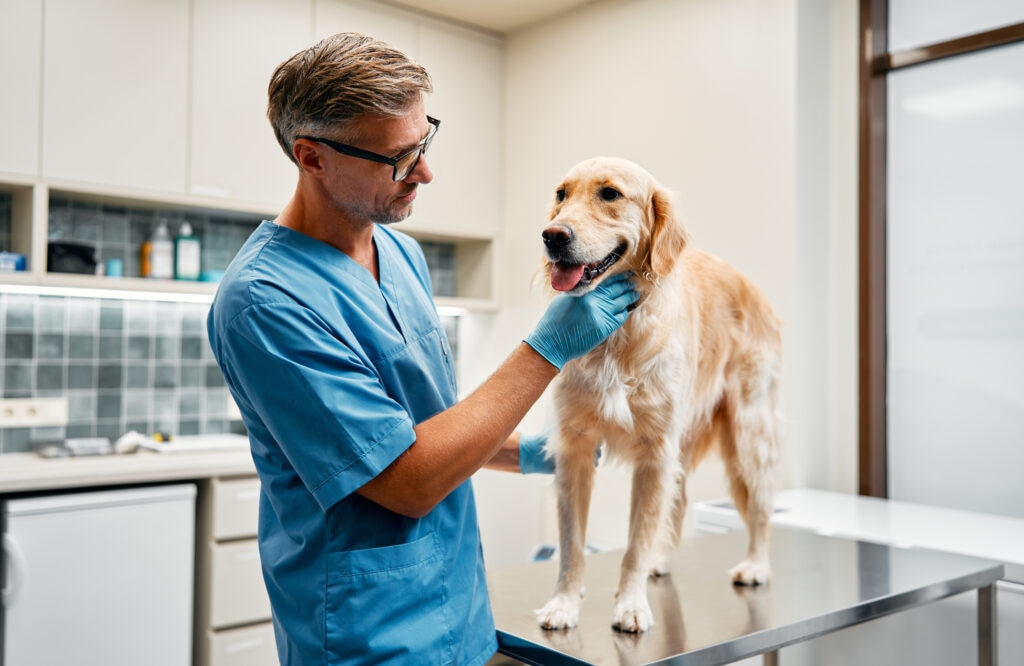
Valerii Apetroaiei/iStock/Getty Images Plus via Getty Images
Horner’s syndrome in dogs is a neurological condition that causes sudden changes to one or both eyes, such as a droopy eyelid, a smaller pupil, or a raised third eyelid.
While the condition itself is usually not painful, it can be a sign of an underlying health issue, so any sudden eye changes should be promptly evaluated by a veterinarian.
Key Takeaways
- Horner’s syndrome in dogs is a neurological condition that affects the eye and surrounding facial nerves, often causing a droopy eyelid, sunken eye, and constricted pupil.
- This condition can be caused by underlying issues such as ear infections, trauma, tumors, or nerve damage, though sometimes no exact cause is found (idiopathic).
- Treatment depends on the underlying cause, and while many cases resolve on their own, it’s important to have your dog evaluated by a veterinarian to rule out serious conditions.
What Is Horner’s Syndrome in Dogs?
Horner’s syndrome is a common neurological condition in dogs that affects one or both sides of a dog’s face, involving the eyes, eyelids, ears, and nose.
This condition is caused from damage to the eye and facial nerves, which leads to droopy eyelids, sunken eyes, small pupils, and a visible third eyelid.
Horner’s syndrome is not considered a medical emergency on its own, as the condition is not painful and typically resolves on its own. However, if you notice any of these symptoms it’s recommended that you see a veterinarian to determine the underlying cause.
It’s also recommended to see an emergency veterinarian if your dog has a sudden onset of symptoms and has experienced trauma, such as being hit by a car.
Symptoms of Horner’s Syndrome in Dogs
Horner’s syndrome can affect one side of the face (unilateral) or both (bilateral), though bilateral Horner’s syndrome is less common. Symptoms can occur suddenly and typically include:
-
A pupil that is smaller in size
-
Elevation of a third eyelid
-
Retraction of the eye’s globe, which may often appear smaller compared to the other eye
-
Drooping of the upper eyelid
Depending on where the nerve damage occurs, other symptoms of Horner’s syndrome in dogs may appear, including:
-
Behavioral changes
-
Weakness or paralysis of the forelimbs
-
Neurological changes such as abnormal paw placement
-
Cranial nerve abnormalities (abnormal vision tests, difficulty chewing)
-
An ear that is warm to the touch
-
Skin that appears pink, typically on the nose and ear
Causes of Horner’s Syndrome in Dogs
Any breed or age of dog can be affected by Horner’s syndrome, but it’s more commonly seen in dogs aged 5–8 years and in breeds such as:
Horner’s syndrome in dogs develops when damage occurs anywhere along the path of the sympathetic nervous system (brain to spinal cord to chest to neck to eyes).
In about half of cases, the cause for damage cannot be determined. The most known cause for sympathetic nerve damage is infection of the middle or inner ear.
Other causes include:
-
Diabetes mellitus, especially if it is unregulated or poorly managed
-
Eye disease
-
Fibrocartilaginous embolism (FCE), or spinal stroke
-
Blood clot
-
Infectious disease or abscess formation; either bacterial or fungal causes
-
Injury due to numerous causes (bite wounds, car-related trauma, even from pulling too hard on a leash or forelimbs)
-
Neurological diseases
How Veterinarians Diagnose Horner’s Syndrome in Dogs
To diagnose Horner’s syndrome in dogs, your veterinarian will perform a complete physical exam, including both an eye and ear check. Tests to rule out other conditions may be done, including:
-
Schirmer tear test to measure tear production
-
Fluorescein eye stain to look for corneal ulcerations and abrasions
-
Intraocular pressure (IOP) test to measure pressure within the eye
Eye dilation using medicated solution may be performed to measure how long it takes the eye to dilate. Usually the longer it takes, the higher chance the damage occurred along the sympathetic nervous system pathway.
Cytologies or cultures of ear debris may be examined to look for infection.
Other tests, such as baseline blood work including a complete blood cell count, internal organ screening, and urinalysis, are routinely performed to determine any underlying or associated causes such as diabetes mellitus.
X-rays of the chest and neck may be taken to screen for signs of trauma, a herniated disc, or cancer. A referral to a specialist for advanced imaging procedures (MRI and CT scan) or a cerebrospinal fluid tap with biopsies may be needed.
Treatment for Horner's Syndrome in Dogs
There is no specific treatment for Horner’s syndrome in dogs other than to treat the underlying cause.
Topical application of phenylephrine (a decongestant) is usually prescribed to relieve the symptoms associated with Horner’s syndrome and can be given as needed.
Typically, treatment is more of a cosmetic resolution (restoring the dog’s face to a normal appearance) than a true medical one.
Prognosis varies based on the underlying cause. Because about half of cases have no known cause, there is a good chance that symptoms will resolve on their own after several weeks.
Recovery and Management of Horner’s Syndrome in Dogs
Managing Horner’s syndrome in dogs is usually not necessary, but it’s important to manage the underlying cause if it can be identified.
The key is to seek veterinary help promptly when the symptoms appear.
Recovery can take a few weeks or longer, especially if the symptoms are due to nerve injury in the shoulder. For prevention, common-sense approaches will help.
These include using a harness leash when walking your dog to avoid excessive pulling, and other steps to prevent your pup from injuring themselves.
Proactively cleaning a dog’s ears and proper treatment of infections are also preventative measures that can help prevent Horner’s syndrome.
Horner’s Syndrome in Dogs FAQs
Is Horner’s syndrome in dogs considered life-threatening?
Horner’s syndrome by itself is not life-threatening, but it can be caused by more severe health issues, and prompt veterinary attention is needed if symptoms are noticed.
Can Horner’s syndrome in dogs go away on its own?
Horner’s syndrome can resolve completely or partially without therapy. It rarely affects a dog’s quality of life unless the underlying condition is severe.
Is Horner’s syndrome in dogs painful?
Fortunately, it is not believed to be painful and does not affect eyesight. Horner’s syndrome is more of a cosmetic issue than a true medical one, but any underlying health cause should be treated.


