Yorkiepoo


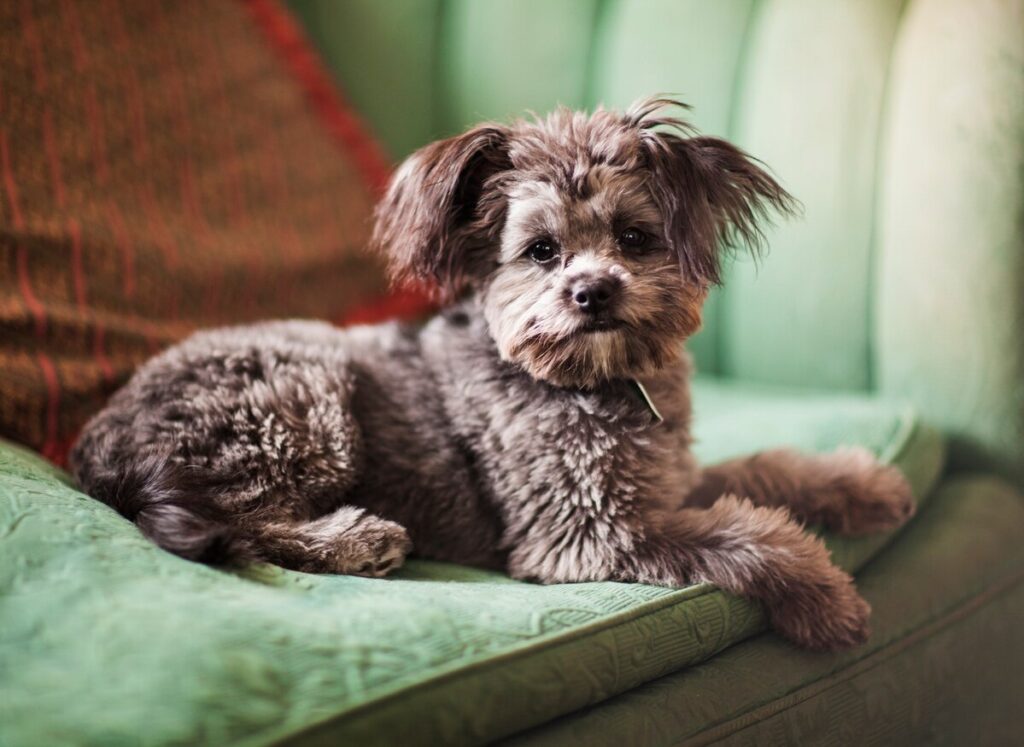
The Yorkiepoo—a crossbreed of a Yorkshire Terrier and a Toy Poodle or Miniature Poodle—appeared as other doodle breeds soared in popularity. These canines quickly won the hearts of pet parents for their sassy personalities, affectionate natures, and cuddle-friendly appearances.
The small, hybrid dog—which can come in a variety of solid colors from white to black to golden, plus bicolor and tricolor patterns—is 7–15 inches tall and weighs 4–15 pounds.
Key Takeaways
- Yorkiepoos are small, affectionate Yorkshire Terrier-Poodle mixes.
- These adaptable pups do well in apartments and other small living spaces, but they still need daily exercise, regular mental stimulation, and early positive-reinforcement training.
- Yorkiepoos require frequent grooming to keep their low-shedding coats healthy and free of mats.
Caring for a Yorkiepoo

Yorkiepoos are usually the offspring of a Toy or Miniature Poodle and a Yorkshire Terrier, and they can combine the best (but sometimes the worst) traits of each parent breed. Reputable breeders are looking to produce dogs who are spirited, intelligent, energetic, and playful, yet still love downtime with their humans.
Because these small pups require only 30–60 minutes of exercise per day (some of which can come from indoor play sessions), they are ideal for pet parents who live in smaller quarters, seniors, and first-time pet parents.
However, those who welcome a Yorkie-Poodle mix into their family should be prepared to provide their canine with early positive reinforcement training, and regular mental and physical stimulation to minimize behavioral issues that can pop up, such as excessive barking and separation anxiety.
Yorkiepoos also require a routine hair care regimen, including consistent brushing and visits to the professional groomer.
“As long as they receive adequate love and attention from their pet parents, this breed is flexible and can settle into various living situations,” says Alex Schechter, DVM. “It’s crucial to remember that Yorkiepoos, despite their diminutive size, are active, energetic dogs that require frequent exercise and mental stimulation to remain happy and healthy.”
Yorkiepoo Health Issues
Like any mixed-breed dog, Yorkiepoos can inherit health issues from their parent breeds. Genetic testing can decrease the odds of inheriting particular diseases, and “a nutritious diet and routine vet visits can also help avoid or manage some of these health problems,” Dr. Schechter says.
Dental Issues
Periodontal disease, or gum disease, can be caused by poor dental hygiene, genetics, and the shape of the pup’s mouth. It’s a common health condition in dogs, especially in small breeds like the Yorkiepoo. The buildup of bacteria in the mouth can cause damage to the gums, bone, and other supporting structures if left untreated. Signs of periodontal disease include:
- Bad breath
- Dropping food when eating
- Drooling
- Red or swollen gums
- Gums that bleed during brushing or chewing
To avoid this progressive disease, preventative dental care for your Yorkiepoo is a must. Pet parents should have their pup’s teeth examined by a veterinarian at least annually and professionally cleaned when needed. At home, brush your dog’s pearly whites with a pet-safe toothbrush and toothpaste. An enzymatic water additive or dental treats can also be helpful tools for preventing dental disease.
Luxating Patella
A luxating patella is a common condition in small dogs that involves the shift (luxation) of the kneecap out of its normal position. Symptoms can include pain, holding up one hind leg for a few strides (like they are skipping), and standing with a bent leg until the kneecap returns to its normal position. When both kneecaps are affected, which is common, dogs can have a “bunny-hopping” gait on and off when walking or running.
Cases can be treated with anti-inflammatory medications, weight loss, joint supplements, exercise modification, and—if other methods fail—surgery.
Tracheal Collapse
Tracheal collapse occurs when the trachea (windpipe) flattens. This happens due to a weakening of the trachea's C-shaped cartilage rings, which causes the muscle that connects the edges of the "C" to sag.
Symptoms include a dry cough that may be worse when your Yorkiepoo is active or gets excited. Most cases are treated using medications, but in severe cases where breathing is impeded, surgery may be necessary.
To prevent and manage this condition, keep your dog at a healthy weight. When on walks, use a harness instead of a collar, as excessive pressure on the trachea can make symptoms worse.
Endocrine Diseases
Yorkiepoos are also susceptible to thyroid disease, diabetes, and Cushing’s disease, says Pam Nichols, DVM, CCRP, CFI, past president of the American Animal Hospital Association.
-
Hypothyroidism in dogs is a condition characterized by the decreased production of hormones in the thyroid gland, which serve an important function in dogs’ metabolism. If the thyroid aren’t producing enough hormones, body functions slow, resulting in symptoms such as weight gain, lethargy, chronic skin and ear infections, and an unhealthy coat. The condition can be treated with lifelong oral medication and routine check-ins with your veterinarian.
-
Diabetes occurs when a dog’s body fails to produce enough—or to properly respond to—insulin, which is responsible for turning food into fuel or energy. Taking insulin to treat diabetes increases the amount of glucose entering the cells and reduces glucose in the bloodstream. Symptoms to look out for include increased thirst, urination, and appetite; weight loss; lethargy; dehydration; and cataracts.
-
Cushing’s disease, also known as hypercortisolism or hyperadrenocorticism, occurs when the adrenal gland secretes too much cortisol (a stress hormone). It usually affects older dogs (ages 7–12) and has many associated health issues, such as kidney infections, bladder stones, diabetes, and chronic skin and urinary tract infections. Treating Cushing’s in Yorkiepoos depends on the underlying causes and usually involves lifelong medications and routine checkups with your vet. In some cases, Cushing’s in dogs is treated with surgery and radiation.
Eye Problems
Yorkiepoos can develop a number of eye problems, including progressive retinal atrophy (PRA) and cataracts. Both conditions can lead to blindness, so make an appointment with your veterinarian if you notice any changes to their eyes or vision.
What To Feed a Yorkiepoo
Feeding your Yorkiepoo the proper type and amount of dog food, and ensuring he always has access to fresh water, helps your four-legged friend maintain a healthy weight. Keeping your Yorkiepoo fit and healthy will help keep him from developing some health conditions.
How To Feed a Yorkiepoo
Dr. Nichols recommends commercial dog food made by reputable brands such as Hill’s Science Diet, Purina Pro Plan, Royal Canin, Iams, and Eukanuba that fit your dog’s life stage. “All of those manufacturers create fixed formulation foods, so you know each bag is the same as the time before,” she says.
Any food you feed your dog should be compliant with Association of American Feed Control Officials (AAFCO) breed standards.
No matter which food you choose, feed your adult Yorkiepoo twice each day, once in the morning and once at night. Yorkiepoo puppies should initially eat four times a day on a consistent schedule to maintain their blood sugar and avoid hypoglycemia. As they grow, you can scale back to three small meals a day.
How Much Should You Feed a Yorkiepoo?
How much to feed your Yorkiepoo depends on his age, size, activity level, and other factors. Talk to your veterinarian to determine the best quantity, but you can also use the guidance printed on your dog food bag as a resource. “Calories for a dog are very easy to calculate, and your veterinarian should be able to tell you how much to feed him,” Dr. Nichols says.
Nutritional Tips for Yorkiepoos
Yorkiepoos who consume a complete and balanced diet don’t require nutritional supplements unless a veterinarian recommends them. They also shouldn’t be fed an excess number of treats. In fact, treats should make up only 10% of your dog’s calorie intake.
Behavior and Training Tips for Yorkiepoos
Yorkiepoo Personality and Temperament
While Yorkiepoos aren’t built to be rough-and-tumble exercise partners, they are playful, energetic pups who benefit from light physical activity and mental stimulation (30–60 minutes a day via a neighborhood walk or playing in the yard or house). “They are really lovely little dogs that don’t require a ton of exercise,” Dr. Nichols says.
Because of their petite stature, Yorkiepoos are suitable for apartment living. With the proper training and socialization, they can bond and play with other dogs, feline friends, and children.
“Yorkiepoos may live with other dogs in a household, but it’s crucial to make the proper introductions,” Dr. Schechter says. “They get along well with youngsters in general; however, young children should be watched when playing with them due to [the dog’s] small size to avoid unintentional harm.”
Yorkiepoo Behavior
Don’t be fooled by the Yorkiepoo’s size: They tend to be small dogs with big personalities. While the breed can be charismatic and affectionate, these pups also aren’t afraid to voice their opinions, especially when they want attention.
To prevent excess barking, Dr. Nichols advises pet parents to keep their Yorkiepoo mentally stimulated and train them from an early age, even though the breed can be stubborn. “I believe every dog can be trained to not bark,” she says. “A Yorkiepoo just might be slightly more complicated, and you might have to be extraordinarily consistent.”
Yorkiepoos can be independent but usually adore spending time with their families, so it’s best not to leave them home alone for too long. Doing so can worsen separation anxiety and encourage negative behavior, like the constant barking.
Yorkiepoo Training
Yorkiepoos respond best to positive reinforcement training, which involves using healthy training treats (including dog-safe veggies) and praise to reward good behaviors.
“The secret to successfully teaching a Yorkiepoo is consistency, patience—and a tough but kind attitude,” Dr. Schechter says. “Socialization and obedience training are also crucial to help them develop into well-behaved and self-assured canines.”
Fun Activities for Yorkiepoos
-
Walking
-
Going to the dog park
-
Tug-of-war
-
Games of chase
-
Obedience training
-
Puzzle games
-
Cuddle time
Yorkiepoo Grooming Guide
Regular brushing, washing, and hair trimming are all essential parts of a Yorkiepoo’s grooming regimen. Pet parents should also check their pup’s ears regularly and clean them when they’re dirty; trim their nails to avoid painful overgrowth and cracking; and brush their teeth to support dental health, Dr. Schechter says.
Skin Care
Every four to six weeks (or if your pup gets dirty or stinky during playtime), Dr. Schechter advises pet parents to bathe their Yorkiepoo. Use a pet-specific shampoo (not yours!) and lukewarm water in the tub or sink, and dry them afterward with a towel.
Coat Care
Yorkiepoo hair often mats easily because of the curls and waves, so routine brushing is required to keep their coat healthy. To prevent their beautiful locks from becoming a tangled mess, Dr. Nichols urges pet parents to brush their pups daily (something they can even be trained to enjoy, especially if you start when your Yorkiepoo is a puppy) and take them to the groomer every four to six weeks.
Those who give their Yorkiepoo proper hair care are rewarded with smooth, snuggle-worthy coats that are coveted for their low-shedding qualities.
Eye Care
Because Yorkiepoos are prone to certain eye problems, it's important to have their eyes examined at least once a year by a veterinarian. If tear stains—wetness and a brownish-red discoloration around the eyes—are an issue, use a pet-friendly eye cleaner once a day.
Ear Care
Keeping your Yorkiepoo’s ears clean is critical to preventing infections. Buy a cleaner that’s approved for dogs, and use cotton balls or wipes (not swabs!) to wipe them out when your dog’s ears are dirty.
Nail Care
Like all dogs, Yorkiepoos need their nails trimmed so they don't become overgrown. Plan to do this every few weeks.
Dental Care
Small dogs like Yorkiepoos are at greater risk of dental disease, making oral care an important part of their daily routine. Brush their teeth at least two or three times a week (though daily is best) and take your pup for regular veterinary exams. You'll need to schedule professional dental cleanings at your vet's recommendation.
Considerations for Pet Parents
The small but mighty Yorkie-Poodle mix is an energetic and charming addition to households of all sizes, including apartments, and homes occupied by seniors and children. This clever dog thrives under the care of pet parents who can give their bundle of spunk the proper amount of consistent positive-reinforcement training and socialization, which can help prevent common Yorkiepoo quirks such as excessive barking.
They need a daily dose of exercise, an abundance of affection, and regular grooming to live their happiest, healthiest lives.
Yorkiepoo FAQs
Is a Yorkiepoo hypoallergenic?
Yorkies and Poodles are both low-shedding breeds that can be a good fit for some people with allergies. Though no dog is 100% hypoallergenic, Yorkiepoos inherit their low-shedding hair from their parent breeds and can be a good pet for some people who sneeze around dogs.
Before bringing home a Yorkiepoo puppy, spend time with the individual dog to see how your allergies react.
How much does a Yorkiepoo cost?
A Yorkiepoo puppy can range from $900–$3,000, depending on the breeder, lineage, location, and other factors. Pet parents can also consider connecting with a Yorkshire Terrier rescue organization (they rescue Yorkiepoos, too) to find a new addition to their family.
What is the lifespan of a Yorkiepoo?
The average Yorkiepoo lifespan is 10–15 years. Pet parents can help their Yorkiepoo enjoy a long, healthy life by providing plenty of affection and playtime, a nutritious and balanced diet, and daily exercise.


