How Cold Is Too Cold for Cats?


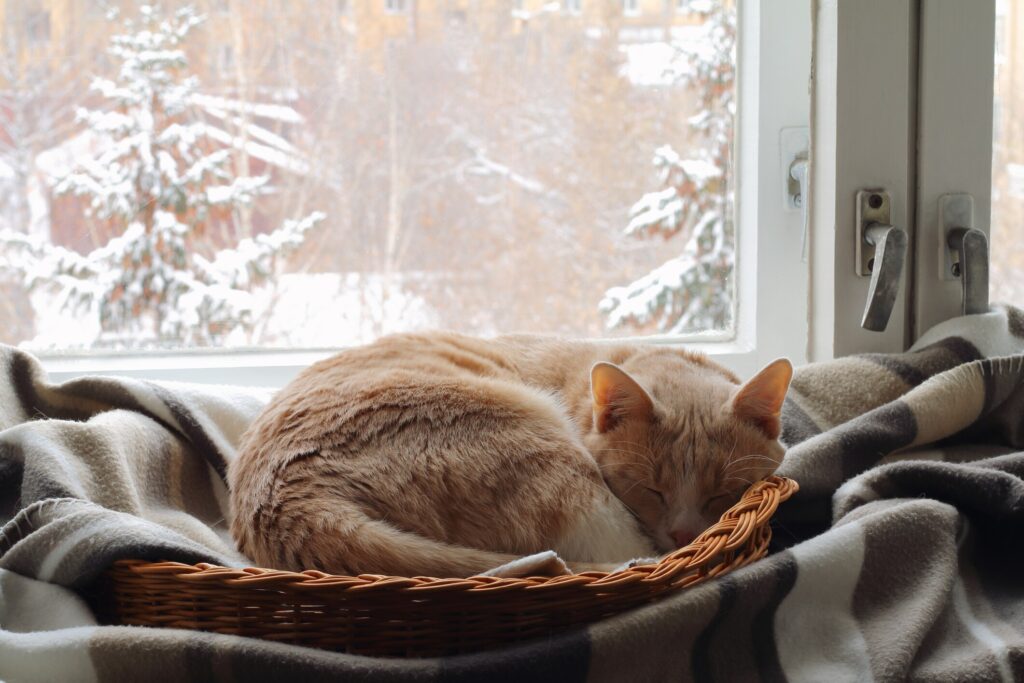
Everyone knows most cats love a warm sunbeam, but what happens when temperatures drop? How cold is really too cold for your cat? In general, most cats will begin feeling uncomfortable once temperatures get below 45 F.
For some vulnerable cats, dropping below 60 F may result in an unhappy kitty, while freezing temperatures below 32 F are dangerous for all cats.
Here’s everything you need to know about keeping your cat at a comfortable and healthy temperature.
Key Takeaways
- Prolonged exposure to temperatures below 45 F can be risky for some cats.
- Temperatures below freezing (32 F) are a significant risk.
- Cold tolerance is influenced by age, health, and coat type.
- If your cat is too cold, you may see shivering, lethargy, decreased appetite, curling up into a tight ball, and being cold to the touch.
- During a cold weather emergency, don't abandon your pet! This can cause hypothermia and death in cats.
Do Cats Get Cold?
The simple answer is yes, cats do get cold. And just like people, some cats get cold more easily than others.
Cats naturally prefer warmer temperatures. Their normal body temperature (100.4–102.5 degrees Fahrenheit) is higher than ours, so they often seek out warm places, like the small spot of sun through the window, the top of a radiator cover, or a warm lap.
Some cats are more sensitive to cold temperatures and chilly weather. Senior cats and young kittens get cold quicker, as well as sick cats, skinny cats, short-haired or hairless breeds, and breeds from a warm climate, like the Egyptian Mau.
Cats with heavy coats, like the Maine Coon, will keep themselves warm longer. But eventually, all cats who are exposed to chilly temperatures will be uncomfortable.
What Temperature Is Too Cold for Cats?

Typically, temperatures below 45 degrees Fahrenheit are too cold for cats.
But there are many factors that determine a cat’s individual tolerance, including health, age, and coat type. Here are some general guidelines:
-
50–60 F: Cats with significant weight loss or diseases such as arthritis may be significantly uncomfortable.
-
45–50 F: Small cats, thin-coated or hairless cats, and older and young cats are more sensitive to these temperatures.
-
32–45 F: Most healthy adult cats will be uncomfortable over a prolonged period.
-
Below 32 F: All cats are at risk of frostbite and hypothermia if exposed for a prolonged period.
Exact temperatures a cat can tolerate varies by cat type. Outdoor stray or community cats may develop thicker coats to help insulate them better but are still susceptible to frostbite in freezing weather. Some breeds, such as Norwegian Forest Cats, may naturally be better at tolerating the cold.
Typically, temperatures below 45 degrees Fahrenheit are too cold for cats.
How Can I Tell That My Cat Is Cold?
Cats often mask discomfort and don’t visibly shiver or vocalize until they are quite cold, unlike dogs who typically alert their humans that they’re cold much sooner.
If a cat is left outside in falling temperatures, they’ll seek out the warmest possible location and hunker down there when they first feel chilly. As they get colder, cats will curl up in a tight ball and may even cover their noses with their tails. Eventually, they may start to shiver, and curl inward even tighter.
Eventually, however, they’re likely to become hypothermic, meaning their body temperature will drop below 100 degrees Fahrenheit. Then, they become quiet and less responsive. If left untreated, their temperature will continue to drop, and a cat will die from hypothermia.
Signs of hypothermia include:
-
Being cold to the touch
-
Low blood pressure (detected by a veterinarian)
-
Abnormal heart rhythms (detected by a veterinarian)
It’s crucial to recognize when your fur baby is cold or uncomfortable, and to take steps to warm them up before hypothermia develops. If your cat spends time outdoors, bring them indoors at the first drop in temperature and especially at the very first signs that your cat is chilly.
If no warm location is available, providing a covered bed will help warm them up quickly.
Offering a bowl of water warmed to human body temperature (98.6 degrees Fahrenheit) can also help heat up your cat. A heated water bowl can make this easy.
Can Cats Survive the Cold?
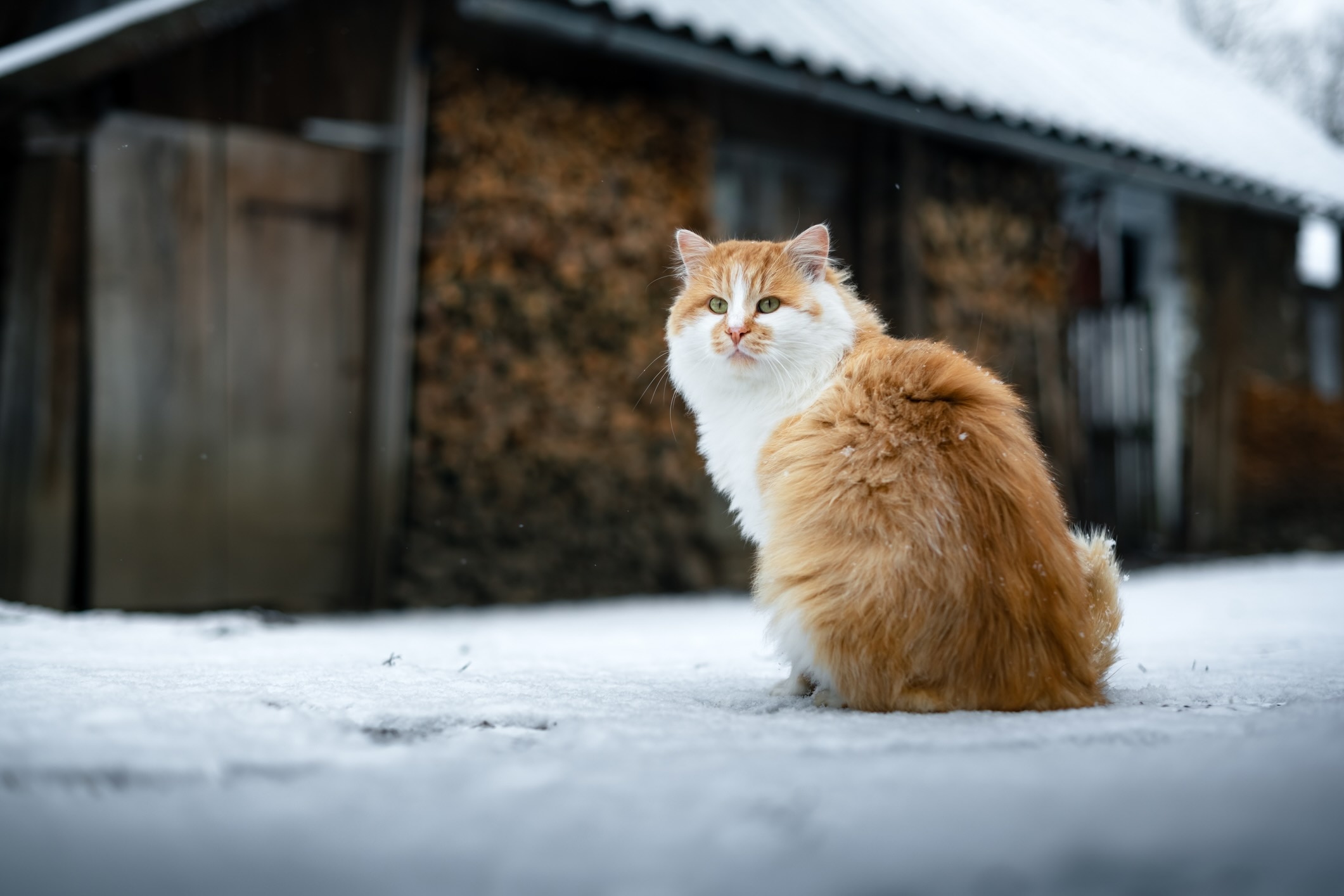
While it may be possible for cats to survive, it’s not advisable nor humane to leave them outside in cold temperatures. Even indoor-outdoor pets should be kept inside once temperatures are hovering below 45 degrees Fahrenheit.
If there’s a neighborhood cat that appears to not have pet parents, wintertime is a dangerous and uncomfortable period for them. Provide them shelter inside your home or a heated, wind-free, and insulated area to sleep, eat, and seek shelter.
Even if your cat is asking to go outside, say no when the temperature is below 45 degrees Fahrenheit.
What To Do If Your Power Goes Out
If you experience a severe winter storm and lose electricity for an extended period, make sure you have plenty of comfortable cat beds. Putting a warm blanket on top of their favorite sleeping area can help keep them warm.
Battery-operated heated beds or self-warming beds, like the Frisco Self-Warming Bolster Kitten Bed or the K&H Pet Products Thermo-Kitty Mat, might be another option for short-term warmth.
If the power outage is lasting longer than expected and both you and your cat are getting cold enough to evacuate, research which shelters will allow you to bring pets along.
Do not evacuate and leave your pets behind—this can cause hypothermia and death.
Make a cold weather plan and a cat emergency kit before the storm hits—it’s better to have all the details squared away beforehand.
Keeping Your Cat Warm in Winter
Most cats will seek out the warmest parts of the house, such as the heat vents, next to the fireplace, a warm lap, or just the sun coming in through the window.
If your cat is in the house and the temperatures are generally comfortable, this is OK. However, there may be times when your cat feels cold and need a little more heat.
This is the perfect time for cat beds (including a pet-safe heated bed), blankets, and even cat clothes. Some cats will tolerate wearing a sweater in chilly weather, especially older or thin cats who feel cold even at room temperatures comfortable to humans.
How Cold is Too Cold for Cats? FAQs
How do community cats survive cold weather?
Most cats who spend the entire year outdoors will develop thicker coats than pampered house pets, which allows them to stay a bit warmer in inclement weather.
These cats have also had the time and exposure to explore for all the warm nooks and crannies and will often frequent them in poor weather.
Unfortunately, however, not all outdoor cats will survive the winter weather—especially if they are unable to find enough food, adequate shelter, or have developed an illness.
Can cats get sick if they’re cold?
Yes, cats can get sick from being cold. Cold exposure can cause direct medical problems, including hypothermia, frostbite, and in severe or untreated cases, even death.
Cold stress can also lead to indirect health issues by weakening the immune system and triggering flare-ups of chronic conditions. When a cat’s body is chilled, it becomes less able to fight off infections, making them more vulnerable to both viral and bacterial illnesses.
How do I tell if my house is too cold for my cat?
You can tell your house is too cold for your cat if they’re constantly seeking warmth, such as curling into a tight ball, burrowing under blankets, or staying on heat vents.
Cats who feel cold may also be cool to the touch or show signs like shivering, lethargy, or decreased appetite. Indoor temperatures below about 45–50 degrees Fahrenheit can be uncomfortable for many cats, especially kittens, seniors, thin cats, or hairless breeds.
If your cat shows these signs, warm them gradually with blankets and a cozy covered bed. Seek immediate veterinary care if your cat is weak, collapses, or seems in distress.