6 Tick-Borne Diseases in Cats: Symptoms and Prevention


Istock/Steevy84
What Are Tick-Borne Diseases in Cats?
Tick-borne diseases in cats are illnesses transmitted through the bite of infected ticks.
While many people are familiar with Lyme disease, it is just one of several infections that can be passed to cats through tick bites.
Ticks are found throughout the U.S. and can transmit a variety of pathogens when they attach and feed. In addition to spreading disease, tick bites can also cause:
- Skin infections
- Anemia
- Tick paralysis, a potentially life-threatening condition
Because of these risks, preventing tick exposure is an important part of protecting your cat’s health.
Key Takeaways
- Tick-borne diseases in cats are caused by infected tick bites and can lead to serious health issues.
- The most common types of tick-borne diseases include Lyme disease, hepatozoonosis, and tularemia.
- Symptoms often appear within a few weeks and may include fever, lethargy, and loss of appetite.
- In severe cases, tick-borne diseases can cause jaundice or tick paralysis.
- There is no vaccine to protect cats from tick-borne diseases, so year-round prevention is essential.
Most Common Types of Tick-Borne Disease in Cats
Several tick-borne diseases can affect cats, though some are more common than others.
The six most recognized include:
- Lyme disease: Caused by the bacterium Borrelia burgdorferi, transmitted by the black-legged (deer) tick. It is most commonly found in the eastern U.S., extending as far west as Texas and South Dakota.
- Hepatozoonosis: A protozoal infection spread through ticks, though it is rare in cats.
- Tularemia: Caused by Francisella tularensis and transmitted by the American dog tick and Lone Star tick. It occurs across most of the U.S. (except the Rocky Mountains and Southwest) and is zoonotic, meaning it can be transmitted to humans.
- Babesiosis (piroplasmosis): A protozoal infection (Babesia felis) spread by ticks. It has not been reported in the U.S. and is more commonly seen in Southern Africa.
- Cytauxzoonosis: Caused by Cytauxzoon felis and transmitted by Lone Star ticks. It is most often found in the southern U.S., but cases extend as far north as Wisconsin and Maine.
- Anaplasmosis: A rickettsial infection (Anaplasma phagocytophilum) spread by black-legged and brown dog ticks. It is most common in the eastern and southern U.S., extending west to Texas and South Dakota.
Symptoms of Tick-Borne Disease in Cats
Symptoms of tick-borne diseases in cats typically appear within a few weeks after a tick bite and can range from mild to severe.
Cats often show general signs of illness along with more specific symptoms depending on the disease.
Common symptoms include:
- Fever
- Loss of appetite
- Lethargy
- Weight loss
- Joint pain, swelling, or lameness
- Difficulty walking or reduced mobility
- Anemia, which may appear as pale gums, bruising, bloody stools, or nosebleeds
- Jaundice (yellowing of the skin, eyes, or gums)
- Swollen or painful lymph nodes
- Redness, irritation, or itching at the tick bite site
- Changes in vocalization (meow)
- Difficulty swallowing
Causes of Tick-Borne Disease in Cats
Tick-borne diseases in cats are caused by the bite of infected ticks that transmit bacteria or parasites into the bloodstream.
While many tick species exist, only a few are known to commonly spread disease in cats. These include:
Each of these ticks can carry different pathogens, which is why exposure to ticks—even a single bite—can potentially lead to illness.
How Veterinarians Diagnose Tick-Borne Disease in Cats
Veterinarians diagnose tick-borne diseases in cats through a combination of physical examination, medical history, and targeted diagnostic testing.
During the visit, your veterinarian will examine your cat and review their exposure to ticks, including the type and frequency of any tick prevention used.
To confirm a diagnosis and evaluate overall health, your veterinarian may recommend:
- Blood work (complete blood count) to assess for infection, anemia, and inflammation
- Urine testing and X-rays to evaluate organ function and rule out other conditions
- Urine protein-to-creatinine ratio to screen for kidney damage
- Cytology or joint fluid analysis to assess inflammation or infection in tissues
- PCR or antibody testing to detect tick-borne organisms
- Tick identification, if you are able to safely remove and bring in the tick for analysis
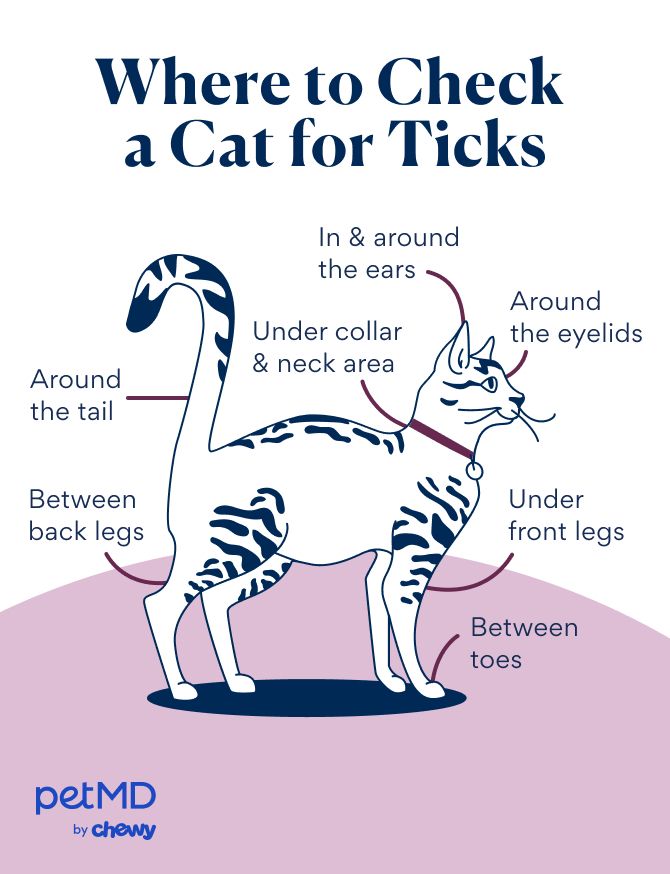
Regularly checking your cat for ticks—at least once a month—can help detect exposure early and reduce the risk of disease.
Treatment of Tick-Borne Disease in Cats
Treatment of tick-borne diseases in cats typically involves antibiotics and supportive care, depending on the severity of the illness.
Most cats are treated with antibiotics such as doxycycline for two to four weeks to target the underlying infection.
In more severe cases, additional supportive care may be required. This can include treatments such as:
- Pain management
- Anti-inflammatory medications
- Intravenous (IV) fluids
- Appetite stimulants
- In some cases, blood transfusions
The specific treatment plan will depend on how advanced the disease is and which organs are affected.
Currently, there is no vaccine available to protect cats from tick-borne diseases.
Recovery and Management of Tick-Borne Disease in Cats
Recovery from tick-borne disease in cats depends on the specific disease and how severe the symptoms are at the time of diagnosis.
Some conditions, such as tick paralysis, can carry an uncertain prognosis, especially if breathing or swallowing becomes affected.
Although diseases like tularemia and cytauxzoonosis are relatively uncommon, they can be fatal if left untreated, making early diagnosis and treatment critical.
For cats that respond well to treatment, the long-term outlook is often positive. Many can return to a relatively normal life. However, some cats may remain carriers of the disease and require ongoing monitoring for potential complications, such as Lyme nephritis (kidney disease).
Regular veterinary follow-up is important to ensure your cat remains healthy and to detect any long-term effects early.
Prevention of Tick-Borne Disease in Cats
Preventing tick exposure is the most effective way to protect your cat from tick-borne diseases.
Year-round tick prevention for cats is recommended, as ticks can be active in many environments and climates. There are several options available, including topical treatments, oral medications, collars, sprays, and dips.
The best choice will depend on your cat’s lifestyle, environment, and overall health, so it’s important to work with your veterinarian to select the most appropriate product.
In addition to protecting your cat, tick prevention also helps reduce the risk of disease transmission to people and other pets in your household.
Tick-Borne Disease in Cats FAQs
What diseases can cats get from ticks?
Ticks can transmit several serious diseases to cats.
Common tick-borne diseases include cytauxzoonosis, tularemia, Lyme disease, and anaplasmosis, among others. The type of disease depends on the tick species and geographic location.
Can a tick make a cat ill?
Yes, a single tick bite can make a cat sick.
In addition to transmitting diseases, ticks can cause skin irritation, secondary infections, and blood loss. In rare cases, they can also lead to tick paralysis, which is a life-threatening condition.
What symptoms do ticks cause in cats?
Tick bites and tick-borne diseases can cause a range of symptoms in cats.
Common signs include redness or itching at the bite site, along with more systemic symptoms such as fever, decreased appetite, joint pain, lameness, and lethargy.


