EPI in Cats: Common Symptoms, Causes, and Treatments


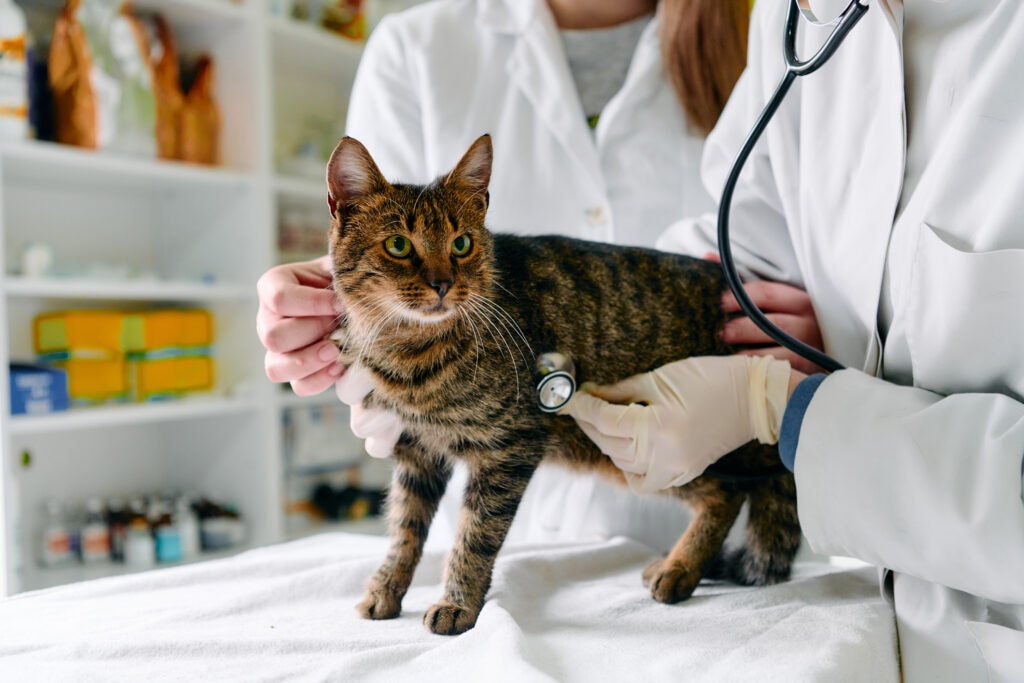
.shock/iStock/Getty Images Plus via Getty Images
Exocrine pancreatic insufficiency (EPI) in cats is a digestive condition where the pancreas doesn’t produce enough enzymes. It leads to poor nutrient absorption, weight loss, and chronic diarrhea—but with proper diagnosis and enzyme supplementation, most cats can improve significantly.
If your cat is losing weight despite eating well, has frequent loose stools, or shows signs of poor coat quality, EPI may be the underlying cause.
While relatively uncommon, this condition is treatable with lifelong management and veterinary support.
Key Takeaways
- Exocrine pancreatic insufficiency (EPI) in cats is a condition where the pancreas doesn’t produce enough digestive enzymes, leading to poor nutrient absorption and weight loss despite a normal or increased appetite.
- Common symptoms of EPI in cats include chronic diarrhea, weight loss, increased appetite, and poor coat quality, and diagnosis typically requires specialized blood testing from a veterinarian.
- Treatment for feline EPI usually involves lifelong pancreatic enzyme replacement therapy, along with dietary management and possible vitamin supplementation to help cats properly digest and absorb nutrients.
What Is EPI in Cats?
EPI affects a cat’s pancreas and occurs when most of the cells that produce digestive hormones don’t function normally.
The pancreas is a small organ under the stomach, alongside the first part of the small intestine (the duodenum).
A cat’s pancreas has two vital functions:
-
Producing insulin, the hormone that moves sugar from the bloodstream into cells.
-
Producing digestive hormones, including lipase to break down fat, proteases to break down protein, and amylase to break down starch.
Cells within the pancreas perform these different functions. So when the cells start to malfunction or stop functioning, cats can get sick in different ways.
For example, when enough insulin-producing cells are damaged, cats develop Type I diabetes. And when the cells that make the digestive hormones aren’t working properly, cats develop from EPI.
Unfortunately, there is no cure for EPI in cats.
Once the pancreas is damaged to the point that symptoms of EPI develop, you must give your cat pancreatic enzyme supplements and other appropriate treatments for the rest of your cat’s life.
But the good news is that dedicated pet parents can expect that with appropriate treatment, their cat will go on to enjoy a long and happy life.
Symptoms of EPI in Cats
Common symptoms of EPI in cats include:
-
Unformed feces (soft stool)
-
Poor hair coat (dull/poor grooming)
Health Tools
Get quick answers with our vet-created Symptom Checker
Causes of EPI in Cats
Anything that damages a large part of the pancreas can cause EPI in cats. However, chronic pancreatitis is typically the most common cause of this condition.
Other common causes include:
-
Birth defects
-
Obstruction of the pancreatic duct (which connects to the intestinal tract)
While this is very rare, cats who eat grasshoppers can be infected with a pancreatic fluke (a type of parasite) that in severe cases can damage enough of the pancreas to result in EPI.
Genetics does not appear to play a big role in whether a cat develops EPI. No cat breeds are at higher risk than others, and the disease can affect cats of any age.
How Veterinarians Diagnose EPI in Cats
To diagnose EPI in cats, a veterinarian will begin by taking a pet’s medical history and performing a complete physical exam.
They will also order blood work to confirm a diagnosis.
Routine blood work can be sent to a local medical lab, but pancreatic testing requires that a sample be sent to a laboratory.
Urine and stool testing should also be done to fully assess your cat’s symptoms.
Lab work is often diagnostic if it includes both a fecal trypsin-like immunoreactivity (fTLI) and serum trypsin-like immunoreactivity (TLI).
Imaging is also done to look at the pancreas and surrounding structures. An abdominal ultrasound is the best way to assess the pancreas for evidence of EPI in cats, but it doesn’t make a diagnosis alone.
Treatment of EPI in Cats
Treatment for EPI in cats focuses on replacing the cat’s missing digestive enzymes. Common treatments include:
-
Giving your cat cobalamin (vitamin B12) supplements
-
Folate (vitamin B9) supplements
-
Antibiotics, like Tylosin
-
Pancreatic enzyme supplements
Recovery and Management of EPI in Cats
Once proper treatment for EPI in cats is begun, most pets quickly start feeling better. Their symptoms usually improve over the course of a few days to weeks. If that’s not the case for your cat, discuss other treatment options with your veterinarian.
If your cat continues to respond poorly to treatment, it’s possible that they could have more than one health problem and additional diagnostic testing may be necessary. Your veterinarian may recommend other treatments based on a cat’s symptoms and any additional health concerns.
You may also ask your veterinarian if switching to a different diet would be a good option for your cat.
Because many cats with EPI also have inflammatory bowel disease, switching to a hypoallergenic diet like Hill's Prescription Diet z/d Original Skin/Food Sensitivities canned cat food may be worth a try.
Prevention of EPI in Cats
In most cases of EPI in cats, you can’t completely prevent it—EPI develops from underlying diseases that are not avoidable.
However, you can help your pet stay healthy by:
-
Taking them for routine wellness check-ups with your veterinarian.
-
Having your pet examined by their vet at first sign of illness.
-
Offering your cat a well-balanced and complete diet.
-
Always providing access to plenty of fresh water (like through a cat water fountain).
-
Preventing and managing their pancreatitis.
EPI in Cats FAQs
How long do cats with EPI live?
Cats with EPI often live a normal lifespan if the condition is promptly diagnosed and properly managed. Routine vet exams and pet parents following their vet’s treatment plan are key to helping their cat live a normal lifespan.
What are the worst foods for cats who have EPI?
The worst foods for cats with EPI are those that are not highly digestible and high in fat. You should also avoid a high-fiber diet.
What are the symptoms of EPI in cats?
Symptoms of EPI in cats include diarrhea, weight loss, change in appetite, or vomiting. The symptoms can be subtle or obvious, depending on the condition’s severity.
Can EPI in cats go away without treatment?
Cats with EPI can’t go without treatment—this is a progressive disease.
EPI will cause severe diarrhea and dehydration if left untreated, as well as vitamin deficiencies, which can be life-threatening.





