Rabbit Hair Loss: Causes and How To Help Your Bunny


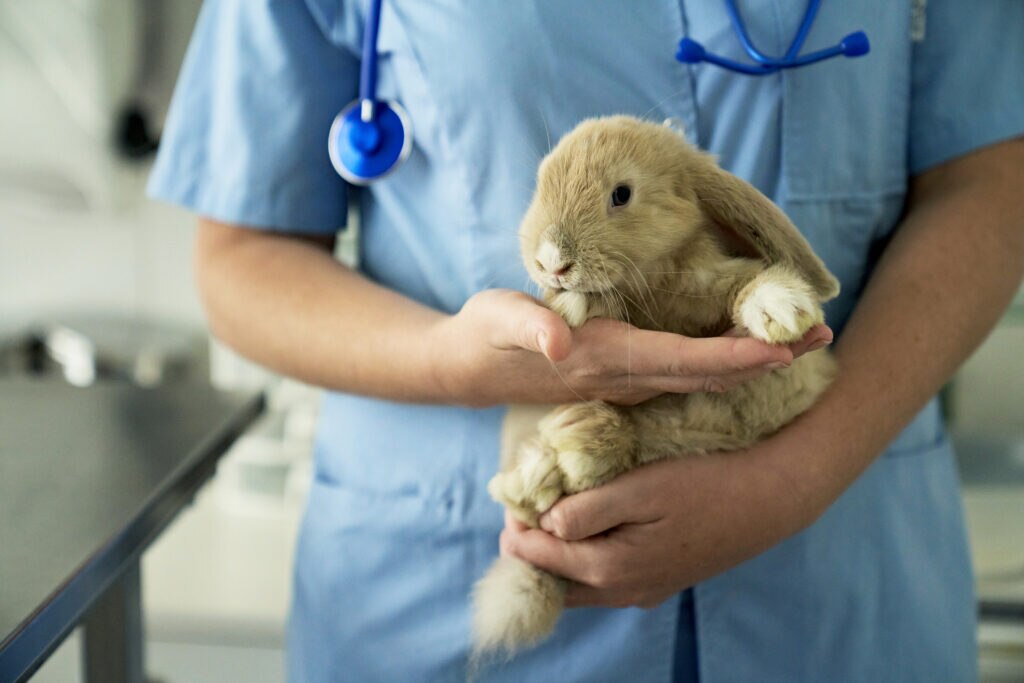
xavierarnau/E+ via Getty Images
Is your rabbit losing hair? If so, there may be an underlying an issue.
In this article, you’ll learn everything you need to know about hair loss in rabbits—including when to call your veterinarian.
Key Takeaways
- Rabbit hair loss (alopecia) is often caused by infections, parasites, behavioral issues, or environmental factors, and typically affects the neck, back, or hind end.
- Diagnosis involves a veterinary exam and tests like skin scrapings or fungal cultures to determine the underlying cause.
- Treatment depends on the cause and may include antifungals, antibiotics, or environmental changes, with most rabbits improving once the issue is addressed.
What Is Rabbit Hair Loss?
Rabbit hair loss, also called alopecia in rabbits, refers to areas of fur loss or thinning. This can happen over time or suddenly and is often due to an underlying medical condition. It’s different from seasonal molting.
Knowing the root cause of alopecia in rabbits can help your rabbit grow their hair back.
Rabbits have three types of hair: long and short guard hairs and an undercoat.
The guard hairs stand on end when a rabbit is cold, trapping in a layer of warmth for insulation when the undercoat hair is not providing enough warmth for the rabbit. The three types of hairs also protect their thin skin along the body and feet. Rabbits don’t have footpads, so the coarse fur on the feet is very important for protection.
Rabbit fur loss, or alopecia, is a medical term for when the fur falls out entirely, falls out in certain spots, or becomes unusually thin.
Alopecia in rabbits will often include bald spots, thinning fur, and sometimes red flaky skin.
Rabbits might groom those areas more or they might seem totally unbothered. Typical areas of rabbit hair loss are around the neck, back, or hind end.
Alopecia develops when something disrupts the normal growth cycle of the hair follicle, damages the follicle, or damages the skin around it. When hair follicles are irritated, inflamed (swollen), or damaged, they will stop producing new hair until the issue clears up.
This differs from the seasonal molts in spring and autumn, where new hair forces out the old hair from the hair follicle.
Typically the fur loss will start at the head and progress toward the rump. It is not accompanied by increased itching or redness, and there should not be any changes in appetite or activity levels in your rabbit. If you are unsure if this is alopecia or a molt, it is important that you seek veterinary care for evaluation.
Most cases of rabbit hair loss are not emergencies.
However, if there’s bleeding, painful skin, open wounds or sores, painful feet, or urine scalding or if your rabbit becomes lethargic or anorexic, have them seen right away by an exotic animal veterinarian.
Symptoms of Rabbit Hair Loss
Common symptoms of rabbit hair loss include:
-
Bald patches or thinning fur
-
Lots of shedding
-
Redness or skin irritation
-
Extreme grooming or itchiness
-
Dandruff
-
Fur being pulled out in tufts
-
Wet fur from saliva, urine, or feces
-
External parasites such as fleas, lice, or mites
-
Wounds or sores
Causes of Rabbit Hair Loss
Rabbit hair loss can be caused by many conditions with infectious, behavioral, environmental, and unknown origins. Some of the most common causes of alopecia in rabbits include:
-
Skin infections: Bacterial or fungal such as ringworm
-
Self-trauma or barbering (biting): From cage mate showing dominance, or stress/pain such as arthritis
-
Viral diseases: Shope papilloma virus, myxomatosis
-
Contact dermatitis: From a skin-irritating topical product
-
Neoplasia
-
Moist dermatitis: From things like dental disease, upper respiratory infection, obesity causing excessive skin folds, or urine scald secondary to a bladder issue such as a UTI
-
Unhygienic housing or damp bedding leading to fur loss on feet and pododermatitis
Long-haired breeds such as Angoras are more prone to fur matting, which can lead to a skin infection underneath the mat and subsequent hair loss.
Short-coated Rex breeds and large-breed rabbits like Flemish Giants can be more prone to pododermatitis and fur loss on the feet. Checkered Cross rabbits can sometimes have a hereditary self-mutilation habit of plucking fur and overgrooming.
In the environment, any extra moisture, especially unhygienic soiled bedding, can lead to too much skin moisture and irritation, then fur loss. Large dewlaps or obesity can also lead to big skin folds, which can collect moisture and form secondary bacterial infections and hair loss.
How Veterinarians Diagnose Rabbit Hair Loss
Veterinarians diagnose the cause of alopecia in rabbits with a thorough medical history, examination, and diagnostic tests, including:
-
Skin scraping: Checks under a microscope for mites or other parasites
-
Skin cytology: Looks for bacteria or yeast under the microscope
-
Fungal culture: Tests for ringworm or other fungi
-
Woods lamp exam: Screens for ringworm by looking at the fur under a special light
-
Blood work: Looks for systemic infections, endocrine issues, or metabolic issues
Before an appointment about hair loss, don’t bathe your rabbit. It’s helpful to bring photos of the hair loss from the start and how it has changed over time. Bring photos of your pet’s habitat and notes about diet, bedding, and other supplements/medications they have been on.
Tell your vet about any recent changes, other pets in the home, and how much time the rabbit is in or out of their enclosure, and how much time they are indoors and outdoors overall.
Health Tools
Get quick answers with our vet-created Symptom Checker
Treatment of Rabbit Hair Loss
Treatment of your rabbit’s alopecia will depend on the underlying cause.
-
Ringworm: Antifungal medications such as itraconazole or terbinafine and topical treatments
-
Infections: Antibiotics such as enrofloxacin or topical silver sulfadiazine
-
Stress-related mutilation or pair barbering: Behavioral adjustments and environmental enrichment/management
-
Parasites: Prescription antiparasitic medication such as selamectin or ivermectin
-
Moist dermatitis: Cleaning the area, drying the skin, and taking care of the underlying causes (such as a UTI), treating underlying dental disease, environmental cleaning, and weight loss
At-home supportive care will include soft, clean bedding that is changed at least weekly, enrichment and proper nutrition to reduce stress, grooming tools like deshedding brushes, and rabbit-safe topical products recommended by your vet.
Most cases will improve when the cause has been found and treated. Sometimes if the condition is not fully curable, like neoplasia or arthritis, it needs lifelong management.
Recovery and Management of Rabbit Hair Loss
Depending on the underlying cause, the length of recovery can vary. If the follicle is damaged to the point where it cannot make fur, the hair loss might be irreversible. Your veterinarian will discuss management options as well as how to prevent future fur loss.
Most cases will begin to improve within one to three weeks after the cause is treated. But it might take several weeks for the condition to fully clear up and for fur to grow back.
During recovery, make sure to give all medications as instructed. Paper-based bedding that is changed often can help reduce any skin irritation.
Using rabbit-safe brushes to prevent matting can also help.
Prevention of Rabbit Hair Loss
Make sure to keep your rabbit’s enclosure clean and dry, keep proper humidity, regularly groom long-haired breeds, and keep bonded pairs well-matched to reduce any barbering. Provide lots of hay and enrichment items to reduce any stress.
It’s important to schedule regular exotic veterinary exams for preventative care to catch issues that can lead to hair loss before they worsen.
Rabbit Hair Loss FAQs
Why does my bunny have bald patches?
Bald patches can come from parasites, fungal infections, stress overgrooming, skin infections, or underlying medical issues. It is important to seek veterinary attention to figure out the underlying cause.
Will my rabbit’s hair grow back?
In most cases, if the hair follicle is not permanently damaged and the underlying issue is treated, then yes, new hair growth typically will start within a few weeks after treatment has finished.
Can hair grow back from alopecia?
Yes, alopecia in rabbits is usually reversible and the fur will grow back once the irritation, infection, or underlying condition is resolved.


