Numelvi (Atinvicitinib) for Dogs: Uses and Safety


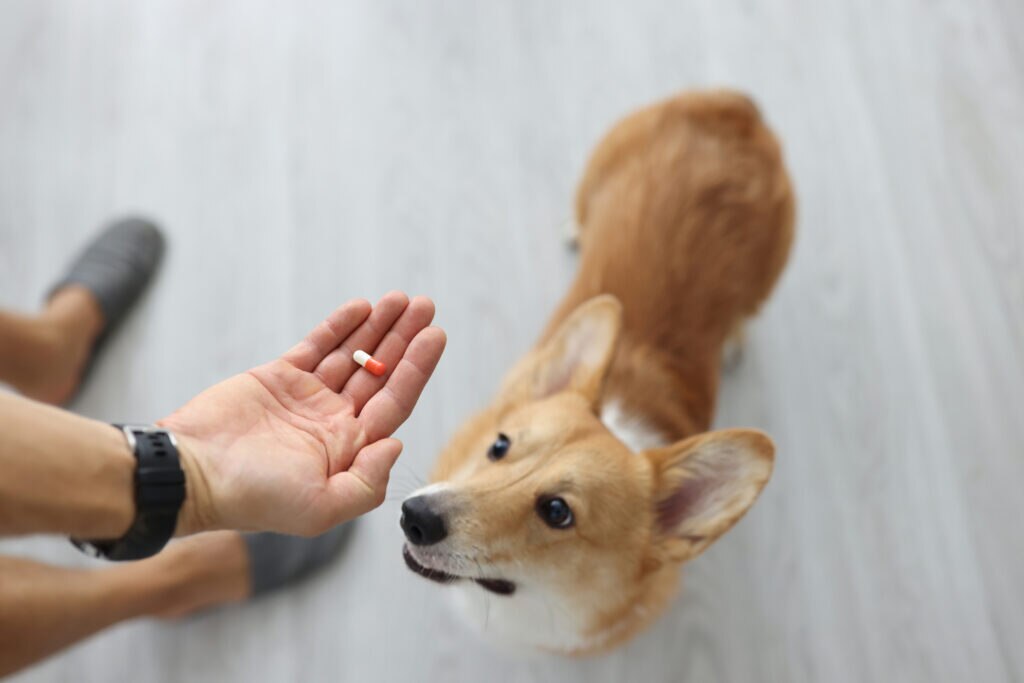
PetMD’s medications content is written and reviewed by veterinary professionals to answer common questions about how medications work, their side effects, and what species they are prescribed for. This content should not replace advice from your veterinarian.
Key Takeaways
- Numelvi (atinvicitinib) is an FDA-approved prescription medication used to control itching associated with allergic dermatitis in dogs 6 months of age and older.
- Atinvicitinib is a Janus kinase (JAK) inhibitor that targets pathways involved in itch and inflammation.
- Numelvi is given orally once daily with food, based on the dog’s body weight.
- Tell your veterinarian about your dog's health history and any medications they take before starting Numelvi.
What Is Numelvi Used for in Dogs?
Numelvi contains the active ingredient atinvicitinib and is an FDA-approved prescription medication used to control itchy skin (pruritus) associated with allergic dermatitis in dogs 6 months of age and older.
Numelvi Considerations for Dogs
Before starting Numelvi, tell your veterinarian about your dog's health history and any medications or supplements they take.
Numelvi should not be used in:
- Dogs younger than 6 months
- Dogs with serious infections
- Pregnant, breeding, or nursing dogs
Use Numelvi with caution because:
- It may increase the risk of skin infections, including Demodex mite infestations (demodicosis) or painful infections between the toes (interdigital furunculosis).
- Benign and malignant tumors have been reported with similar medications.
- Its safety hasn't been established when used with certain medications, including cyclosporine (which helps manage itching) or glucocorticoids (steroids commonly used to treat allergies).
How Does Numelvi Work in Dogs?
Numelvi uses a targeted approach to stop your dog's itching. It blocks a protein called Janus kinase (JAK), which sends signals that trigger itch and inflammation, helping break the itch cycle in dogs with allergic dermatitis.
How Do You Give Numelvi to Dogs?
Give Numelvi exactly as prescribed by your veterinarian.
- Tablets are available in 4.8 mg, 7.2 mg, 21.6 mg, and 31.6 mg strengths. Your veterinarian will select the correct tablet strength based on your dog's body weight.
- Give by mouth once every 24 hours with food.
What Happens If You Miss a Dose of Numelvi?
If a dose is missed, consult your veterinarian for guidance.
They will typically advise giving the medication as soon as you remember, unless it’s close to the time for the next scheduled dose. Never administer additional or double doses.
Numelvi Side Effects in Dogs
Most dogs tolerate Numelvi very well. However, as with any other medication, some side effects can occur.
While usually mild, some common side effects include:
- Upset stomach (nausea, vomiting, or diarrhea)
- Decreased appetite
- Decreased energy
Reach out to your veterinarian if these symptoms are severe, don't go away, or seem to be getting worse.
Contact your veterinarian immediately if you notice:
- Signs of a possible skin infection (increased itching, redness, or oozing/bleeding sores)
- Signs of another infection (frequent or painful urination, extreme tiredness, coughing, or a complete lack of appetite)
- New lumps, or if existing tumors are growing larger
Your veterinarian may also notice changes in your dog’s routine bloodwork, such as fluctuations in blood cell counts, liver values, or cholesterol levels. Regular blood tests are therefore essential for dogs receiving long-term treatment.
Human Side Effects
Numelvi is not for human use.
Wash your hands after handling the tablets and keep them out of reach of children.
If someone accidentally swallows Numelvi, seek medical attention or call Poison Control at 800-222-1222.
Monitoring Your Dog
No specific monitoring is required while taking Numelvi. However, your veterinarian may recommend routine bloodwork based on your dog's health, other medications, or how long they'll be given the medication.
At home, monitor your dog for:
- Less itching and redness (to evaluate how effectively the drug is working)
- Signs of infection
- New growths
- Side effects listed above
When Should You Call Your Veterinarian?
Call your veterinarian if you see any of the following, or if you have additional questions or concerns about the use of Numelvi:
- Severe side effects
- Your dog’s condition worsens or does not improve
- You suspect an overdose
What Happens If a Dog Overdoses on Numelvi?
Dogs generally tolerated doses several times higher than the recommended amount during safety studies. However, higher doses increased the risk of infections such as demodicosis and interdigital furunculosis.
If you think your dog received too much Numelvi, contact your veterinarian, seek emergency veterinary care, or call an animal poison control center immediately.
- Pet Poison Helpline: 855-764-7661
- ASPCA Animal Poison Control: 888-426-4435
How Should Numelvi Be Stored?
Keep the following storage tips in mind for this medication:
- Store at room temperature between 59–86 F (15–30 C).
- Keep tightly closed and out of reach of children and pets.
Numelvi for Dogs FAQs
What is the Numelvi dosing for dogs?
Numelvi is given once daily with food. Your veterinarian will choose the correct tablet strength based on your dog's weight.
What is the difference between Numelvi and Apoquel?
Numelvi and Apoquel are both oral JAK inhibitors used to control itching associated with allergic dermatitis. Numelvi contains atinvicitinib and is given once daily with food, while Apoquel contains oclacitinib and is typically given twice daily for the first 14 days before transitioning to a once-daily maintenance regimen.
How quickly does Numelvi work in dogs?
Numelvi may begin relieving itching within two to four hours after the first dose.
Can Numelvi be used long-term?
Your veterinarian will determine how long your dog should take Numelvi based on their condition, response to treatment, and overall health.
No vet writer or qualified reviewer has received any compensation from the manufacturer of the medication as part of creating this article. All content is sourced from public references or the manufacturer.


