How To Wrap a Horse’s Legs Properly: Standing Wraps, Polo Wraps, and Safety Tips


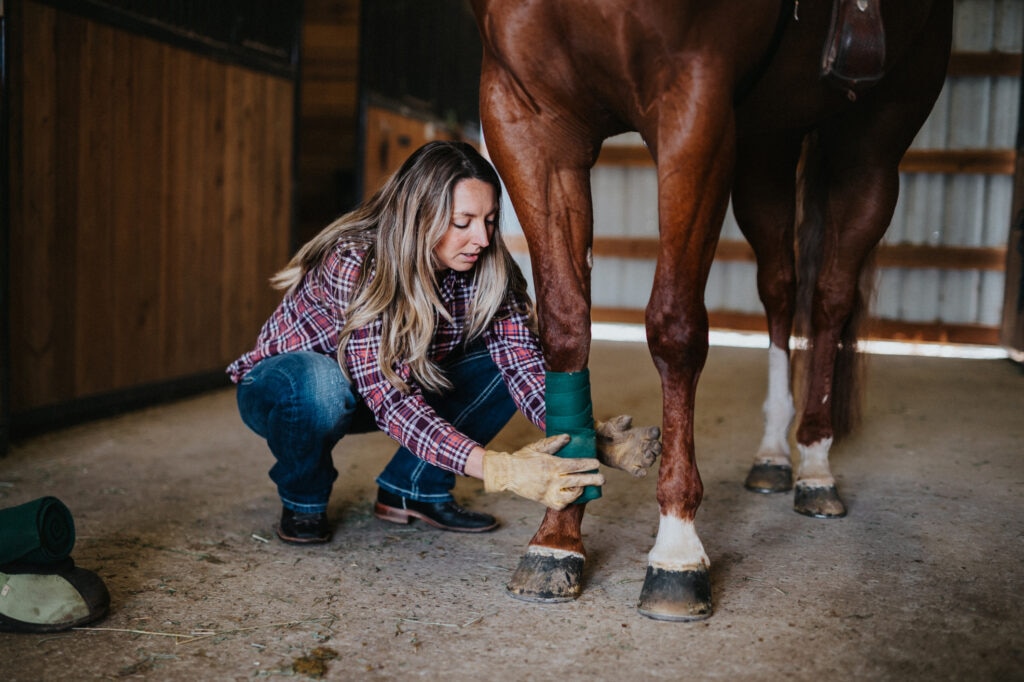
Fly View Productions/E+ via Getty Images
Leg wraps are commonly used in many barns, but wrapping is a practiced skill. Uneven pressure, wrinkles, or wraps applied too tightly or loosely can cause discomfort, tendon damage, or circulation issues.
This guide describes the most common wrap types, including standing wraps, polo wraps, and shipping wraps, and provides instructions on how to apply each properly.
Key Takeaways
- Pressure that’s evenly distributed on the legs and correct padding matter—uneven or too-tight wraps can cause injury and should be fixed right away.
- Leg wraps should be checked often and reset as needed; long-term wrapping isn’t always helpful and should be guided by your veterinarian.
- If your horse has a wound, significant swelling, heat, or lameness, contact your veterinarian for guidance on bandaging and next steps.
Why Horse Owners Wrap Legs in the First Place
Before you choose a leg wrap for your horse, first understand its purpose. Knowing why you’re using a wrap will help you select the safest type and materials for your horse’s needs.
Common Reasons for Horse Leg Wraps
The most common reasons for wrapping are:
-
Protecting a lower leg wound or keeping a dressing clean
-
Reducing and managing swelling or stocking up (stagnation edema) during stall rest or injury recovery, based on your veterinarian’s advice
-
Providing support during exercise with polo wraps or boots, depending on discipline
-
Preventing swelling after hard work or competition
-
Providing travel protection with shipping boots or shipping wraps
Types of Horse Leg Wraps and When To Use Each
Horse wraps generally fall into three main categories:
-
Support and protection during exercise
-
Preventative care and recovery support
-
Shipping protection
Each leg wrap has a specific purpose, so it's important to understand the uses and benefits of each type so you can choose the best option for your horse’s situation.
Standing Wraps (Stable Wraps)
Standing wraps are typically used over quilted padding (“pillow wraps” or no-bow wraps) to support the lower leg, reduce/prevent swelling, or hold bandages in place as part of wound care for horses.
Often used in the stall, they provide gentle support and compression for mild swelling/stocking up, post-workout care plans, and some rehabilitation when your veterinarian recommends it.
Polo Wraps (Exercise Wraps)
Polo wraps are soft fleece wraps used for light protection during riding, and to create a polished look for the show ring or arena in some disciplines.
They protect against interference more than they offer support. However, they must be applied properly to achieve consistent light pressure and to prevent overheating, slipping, or pressure points.
Shipping Wraps and Shipping Boots
Shipping wraps and boots protect the legs during loading, hauling, and unloading. Balancing and moving in a trailer can increase the risk of bumps, scrapes, or shipping injuries, especially to the coronet band.
Shipping wraps are the same as standing wraps. They can provide light support, are applied over quilted padding, and require skill to apply correctly.
Shipping boots typically do not provide support, and feature Velcro closures that allow for a quick, simple application.
What You Need Before You Wrap a Horse’s Legs
Before you start, check wraps for stretched areas, debris, or worn Velcro that could affect fit and stability. Make sure your horse’s legs are clean, dry, and don’t have caked-on mud.
Supplies Checklist
The supplies you need depend on whether you are using polo wraps, standing wraps, or shipping wraps, but generally include:
-
Pillow/no-bow wraps to go underneath standing and shipping wraps
-
Outer wrap material, such as a standing bandage or cohesive bandage material
-
Scissors and tape, as needed, for medical bandages
-
A safe place with good footing and even ground where your horse can be held or tied safely
Quick Safety Checks First
Be sure to check your horse’s legs for heat, swelling, wounds, or lameness before applying any wrap. If you see an injury or significant swelling, call your veterinarian. You may need to change your bandaging plans based on the injury and its location.
How To Apply Standing Wraps on a Horse (Step-by-Step)
Standing wraps should be snug and even for light support. They should never sag or be lumpy or cranked tight.
Start the wrap at the front so the "seam" lands on the bone, not the tendon/ligament. Wrap clockwise on right legs and counterclockwise on left legs.
Step 1: Position the Padding Correctly
In some cases, veterinarians may show you how to apply poultice to a horse’s leg to reduce inflammation before adding a standing wrap. If you’re unsure, ask for guidance.
Whether you’re applying a dry standing wrap or one with poultice or liniment:
-
Position the quilted fabric or cotton base evenly over your horse’s cannon bone, starting at the inside above the fetlock joint.
-
Never start or end a wrap over a joint.
-
Remove any wrinkles or gaps.
-
Keep edges smooth to prevent pressure points.
Step 2: Add the Outer Wrap with Even Tension
For your horse’s comfort, safety, and to get the most benefits out of a standing wrap:
-
Start in the middle of the pillow/no-bow wrap and wrap the bandage over the cotton material in consistent spiraling layers, overlapping each layer by about 50%.
-
Keep pressure even, wrapping down the leg and then all the way up, covering within a half-inch of the padding at the top and bottom.
-
Pull the wrap outward toward you/across the bone with tension and pass away from you/across the tendons without tension.
-
Use the same even pressure on both legs—the same person should wrap both legs to ensure consistency.
-
Secure the end so it won’t unravel. Some people like to use athletic tape to secure the Velcro closure.
Step 3: Final Check
When finished, check the wrap visually and walk your horse a few steps to be sure the wrap is straight, smooth, and secure. A proper wrap won’t slip, and won’t have any bunching at the fetlocks.
You should be able to fit two fingers under the wrap below the pastern and one finger under the wrap at the top.
Recheck standing wraps regularly and rewrap daily—or more often if they become loose, wet, or uneven—to maintain safe, consistent pressure.
How To Apply Polo Wraps for Riding (Step-by-Step)
Polo wraps provide light protection against interference injuries during exercise, and are not designed to support a lame horse. Like standing wraps, it’s important to apply them properly to avoid injury.
Step 1: Start With Clean, Dry Legs
Before applying polo wraps, make sure your horse’s legs are clean and completely dry. Dirt, sand, or bedding trapped beneath a wrap can rub against the skin like sandpaper during movement. Wet legs can also increase friction and trap heat against the skin.
Step 2: Wrap Smoothly with Consistent Tension
Start by positioning the end of the polo wrap about midway down your horse’s cannon bone, then:
-
Keep the wrap flat and avoid any twists in the fabric.
-
Overlap layers evenly. Each layer should cover about 50% of the layer before it.
-
Keep pressure even throughout the entire length of the wrap.
-
Avoid putting tension over the flexor tendons on the back of the limb.
Step 3: Check Movement and Remove After Work
Once your horse is done exercising, remove the wraps immediately to reduce heat buildup and avoid skin irritation. Inspect your horse’s legs for rubs or swelling changes that may need veterinary attention.
Common Horse Leg Wrapping Mistakes (and How To Avoid Them)
Most wrapping problems come down to three issues: wraps that are too tight, too loose, or applied to dirty or wet legs.
Small mistakes can cause serious injuries, so it’s important to know how to recognize and avoid common wrapping mistakes. If you’re new to wrapping horse legs, have a veterinarian or experienced equine professional teach you how to do it properly, and practice so you can perfect the technique.
Too Tight or Uneven Pressure
Wraps that are too tight or have uneven pressure can lead to poor circulation, pressure points, and, in severe cases, tendon and soft tissue injuries. Take the time to completely remove the wrap and start again rather than attempting to fix a bad wrap.
Too Loose (Slipping and Bunching)
Loose wraps can be dangerous. A slipping or bunching wrap creates tight bands where the wrap bunches, and the feeling of a slipping wrap can cause a horse to panic. If it becomes unwrapped, the horse may trip.
Remove the wrap, readjust padding if using a standing wrap, reapply, and secure the closures.
Wrapping Over Wet, Dirty, or Irritated Skin
Think about the last time you got sand in your shoe. It was uncomfortable, rubbed your foot, or even broke the skin. Wrapping over wet, dirty, or irritated skin can create the same discomfort for your horse. Always make sure the area you’re wrapping is clean and dry.
If you notice your horse’s leg has sore, crusty spots, talk to your veterinarian about next steps.
Not Monitoring Horses New to Wrapping
If your horse is not used to wearing standing bandages, they shouldn't wear them overnight for the first time, as they might pull at them when you’re not monitoring them, doing more harm than good.
It’s especially important to closely watch horses who have never worn wraps before, and perhaps start with them wearing the wraps for just a few hours at a time.
Wrapping Too Late After Riding
If you’re wrapping a horse to prevent swelling after hard work, wrapping may be most beneficial shortly after exercise. Then you can remove the wrap to prevent the leg from getting too hot.
When Not To Wrap—and When To Call the Vet
Wrapping can be helpful, but it can create health risks if applied at the wrong time. It is also not a replacement for veterinary care.
Call Your Veterinarian If You Notice Symptoms
Some leg problems should never be managed with wraps alone. Call your veterinarian if you notice any of the following, especially if these problems appear suddenly or worsen over time:
-
A wound, puncture, or drainage on the leg
-
Sudden swelling, heat, severe pain, or lameness
-
Your horse becomes more uncomfortable after wrapping
-
The wrap repeatedly slips or causes rubs despite correct technique
Don’t Use Wraps as a Substitute for Diagnosis
Although wraps are often used to help reduce inflammation, if swelling, soreness, and heat continue to appear in your horse’s legs, your vet can help you find the cause and apply the right treatment. Continuing to wrap without a diagnosis may mask symptoms while the condition worsens.
Wrapping a horse’s legs properly involves choosing the right wrap at the right time, applying it with even pressure, and checking it frequently.
If you’re new to wrapping, ask a skilled professional for a hands-on demonstration. And if your horse shows signs of wounds, sudden swelling, heat, or lameness, contact your veterinarian.
FAQs About Horse Leg Wrapping
How tight should a horse leg wrap be?
You want the wrap to be snug without being cranked tight. When finished, you should be able to fit one or two fingers in the top and bottom of the wrap.
How long can a horse wear standing wraps?
Ask a veterinarian for advice specific to your situation. The appropriate duration for standing wraps may vary depending on the horse’s medical condition and veterinary recommendations. Remove at least twice daily to check the legs.
Can you leave polo wraps on overnight?
Polo wraps are generally intended for use during exercise and should typically be removed after riding.
What is a “bandage bow” in horses?
A bandage bow is a swollen tendon, caused when a wrap is applied too tightly or pressure is applied unevenly.
Should I wrap my horse’s legs for trailering?
It comes down to personal preference and the individual horse. For instance, some horse owners choose to wrap only the front legs if their horse likes to kick off their back leg wraps.
Wraps can protect the legs and coronary band during travel and provide light support on long hauls. But they can also encourage heat buildup or agitate some horses. Talk to your veterinarian and/or trainer to decide what’s best for your horse.
How do I wrap a horse’s leg over a wound?
Talk to your veterinarian first to get instructions based on your horse’s wound. Then clean the area and use a sterile non-stick pad over the wound before applying a quilt or cotton fabric. Finally, apply the standing wrap or elastic wrap, and ensure it’s secure with snug (not tight) pressure.





