Can Horses Eat Acorns? Understanding Acorn Poisoning in Horses


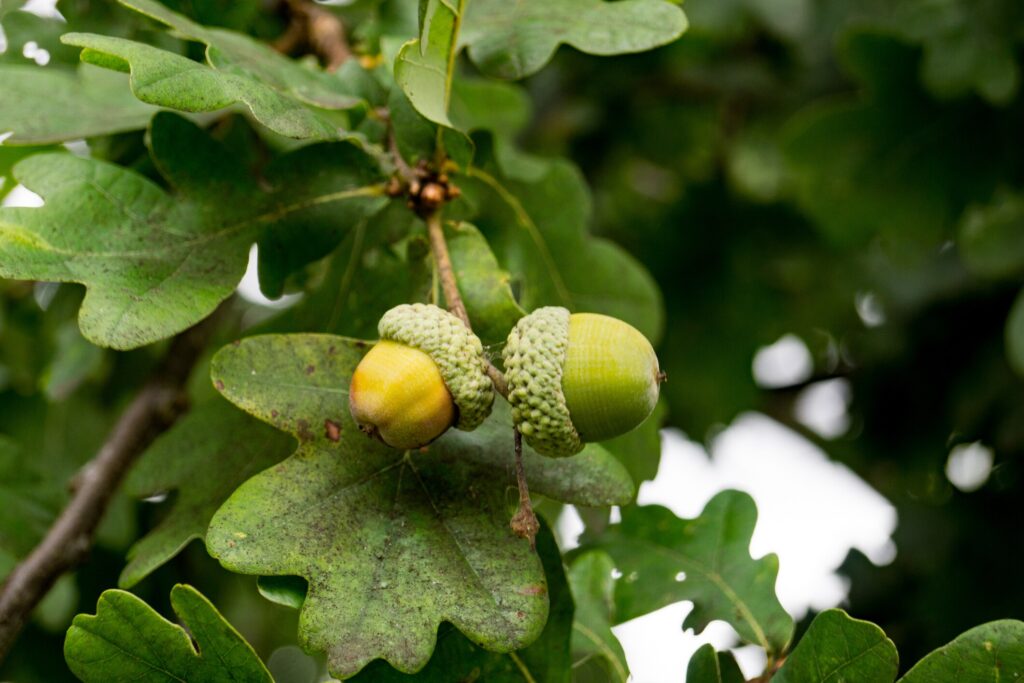
Stephen Wair/iStock / Getty Images Plus via Getty Images
One of a horse owner’s greatest fears is that their beloved animal will eat something out in their pasture that is dangerous. One of those potentially toxic plants is acorns.
It’s important to understand how acorns pose a health risk, and what you can do to prevent acorn poisoning in horses.
Key Takeaways
- Acorns contain tannins which are toxic to horses in large amounts.
- Keep tree branches trimmed so fewer acorns potentially fall into your pasture.
- Provide horses plenty of hay and other forage so they don't seek out things they shouldn't eat.
- A horse experiencing acorn poisoning will need supportive care, such as IV fluids and other medications.
Why Are Acorns Toxic to Horses?
Acorns and some other parts of oak trees contain tannins (naturally occurring chemical compounds) which are toxic to horses in large amounts. These tannins can cause injury to the kidneys and gastrointestinal tract.
How Common Is Acorn Poisoning in Horses?
Horses must ingest a large number of acorns for them to be toxic, therefore, acorn toxicity is relatively rare. Generally, horses will avoid eating them unless they are bored or don’t have better tasting options like good hay, grain, or grass.
When Are Horses at Risk for Acorn Poisoning?
All acorns and parts of the oak tree may be toxic, but new buds/leaves that form on the oak tree in the spring and the juvenile–green acorns are the most toxic parts of the plant.
Treatment of Acorn Poisoning in Horses
Acorn toxicity can lead to kidney damage and damage to the GI tract which typically presents as colic.
Treatment for acorn toxicity is supportive care, which may involve:
-
IV fluids
-
Anti-inflammatories (Banamine, phenylbutazone, steroids)
-
Nutritional support
Since it takes a large number of acorns to be toxic, the prognosis is usually good. However, if there is significant kidney damage, acorn poisoning can be fatal.
If your horse is showing any of the above symptoms, call your veterinarian right away.
Prevention of Acorn Poisoning in Horses
Manage your pastures to prevent your horses from wanting to eat acorns or oak tree leaves. Cutting down oak trees entirely is usually not necessary, but the following practices may be helpful:
-
Provide sufficient forage (hay or grass) to keep your horse satisfied and entertained
-
Keep tree branches trimmed
-
Fence around tree trunks
-
Rake up acorns that have fallen on the ground
Acorns and horses may not be a good mix if your horse like to eat things they shouldn’t, but with a little pasture maintenance, acorn poisoning can be easily avoided.
References
-
Martinson, Krishona, et al. Oak Buds and Green Acorns Can Harm Horses. Extension at the University of Minnesota.
-
Mazan, Melissa. The Truth about Acorn Toxicity and Horses. The Truth About Acorn Toxicity and Horses | Cummings School of Veterinary Medicine.





