Why Veterinary Teams Need Mental Health Support
IN PARTNERSHIP WITH


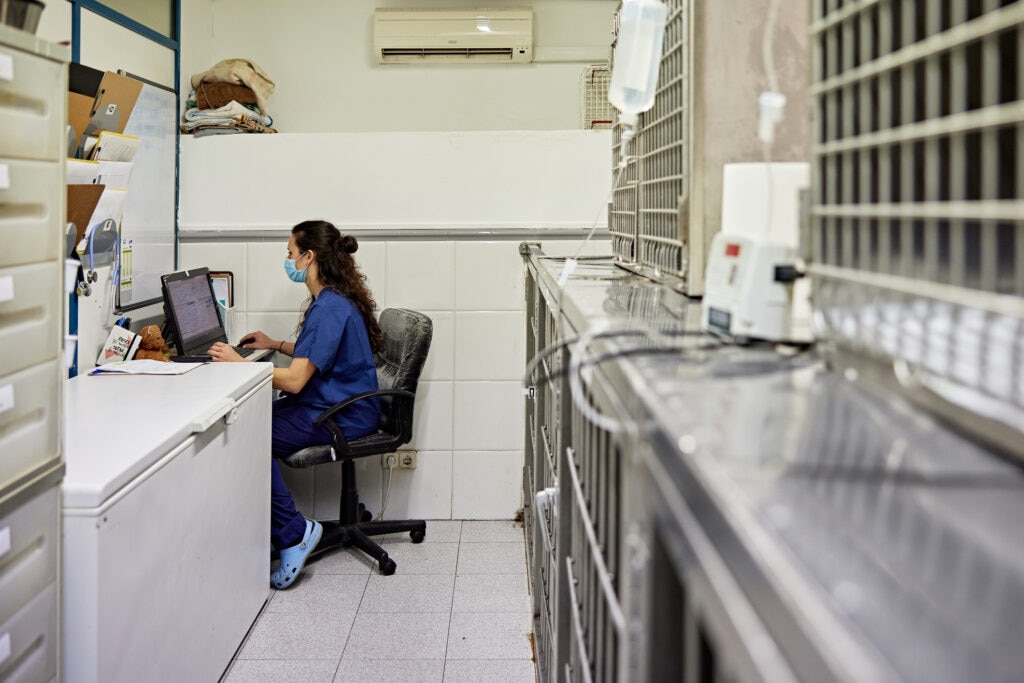
xavierarnau/E+ via Getty Images
Veterinary work carries unique emotional burdens, including frequent exposure to animal suffering, trauma, and death.
Veterinarians and veterinary technicians/nurses also face pressure to work long hours while dealing with high workloads, staff turnover, financial concerns, compassion fatigue, and cyberbullying.
As a result of their work, most veterinarians experience burnout, with 82% experiencing low or medium burnout. They also experience higher levels of exhaustion (61% vs. 32%) than the general population.
Now more than ever, the need for a better support system and increased mental health resources for these essential, valued professionals is being recognized.
We can start by creating a supportive clinic culture, normalizing mental health conversations among veterinary teams, and encouraging veterinary professionals to seek help.
Veterinary Teams Face Constant Stress
For veterinary professionals, day-to-day work is anything but routine. Not only is the job physically demanding, but it’s also mentally intense.
Between performing surgeries and dental procedures to handling emergency walk-ins, managing chronic diseases, explaining devastating diagnoses, and providing euthanasia services, the emotional toll of being a veterinarian can be high.
The entire veterinary team advocates for the well-being of animals and supports pet parents faced with tough choices.
When pet parents can’t afford recommended care, veterinarians may have to make the difficult decision to either not get paid or not be able to provide treatment to a pet.
On top of that, add long hours, a high caseload, staff shortages, financial worries, blame for poor outcomes, verbal abuse from clients, and cyberbullying. Any of these factors can cause mental distress. Combined, the result can be overwhelming.
What’s Changed Since the Pandemic
During COVID-19, some of these stressors evolved. As more households welcomed pets, demand for veterinary services increased. Shortages of qualified veterinary staff made it harder for veterinary hospitals to manage that demand.
Even after the pandemic, staff shortages remain an issue in certain segments of veterinary medicine and in rural areas.
With older veterinarians retiring, some veterinarians and veterinary technicians/nurses choosing to work fewer hours, others experiencing burnout, and high turnover rates throughout the industry, this problem continues to affect general practices, emergency hospitals, and shelters alike. Large-animal practices and specialties are not immune either.
Not surprisingly, veterinarians and veterinary technicians/nurses may suffer from anxiety and depression.
The increasing cost of student debt has exacerbated financial concerns for many new veterinarians, and inflation is offsetting some salary gains.
But not all the news is bad. The number of companion animal veterinarians—and veterinarians overall—is expected to increase and meet demand for the next decade or so.
However, with the ongoing workplace strain that veterinarians, veterinary technicians/nurses, and other veterinary professionals are under, the need for mental health support in the industry is clear.
Stigma Around Mental Health in the Veterinary Field
Not surprisingly, veterinarians and veterinary technicians/nurses may suffer from anxiety and depression. Veterinarians often wrestle with perfectionism or wonder if they’re good enough.
However, until recently, mental health was something that few people talked about or acknowledged in the industry. Some avoided discussing the topic, even if someone they knew was struggling or had completed suicide.
Like other medical professionals, veterinarians and veterinary technicians/nurses may worry about their peers judging them or thinking they are not up to the job if they share their mental health struggles.
Many also experience self-stigma, where seeking help or acknowledging that they need it is perceived as a sign of weakness, incompetence, or failure. Veterinary students in particular may have high levels of self-stigma and be reluctant to seek help or admit they could benefit from professional mental health services.
Contributing to this mentality are a limited support system and lack of mentorship within the industry. Client misperceptions about the challenges veterinary teams face play a role in self-stigma as well.
Supporting Our Veterinary Teams
More veterinary hospitals are now recognizing these issues and offering mental health insurance coverage. According to results from the Merck Animal Health 2023 Veterinary Wellbeing Study, 38% of veterinary workplaces have implemented an employee assistance program (EAP), compared to 31% in 2021 and only 21% in 2017.
Just letting employees know that they can be open about their mental health can go a long way toward reducing stigma around issues such as anxiety and depression, compassion fatigue, and burnout. Doing so may mean:
-
Creating a flexible work environment to help build a positive work-life balance for team members
-
Promoting a psychologically safe space
-
Providing access to mental health resources
-
Holding mental health education and awareness sessions
-
Starting a clinic mentorship program
-
Prioritizing and monitoring mental well-being and demonstrating healthy behaviors (leadership modeling)
-
Establishing a clear clinic protocol for responding to online harassment or cyberbullying, and ensuring team members feel supported when these incidents occur
-
Encouraging veterinary professionals to use the EAP or join a support group, such as those offered by the Veterinary Hope Foundation (VHF)
Talking with coworkers may not be comfortable for everyone. Sometimes it’s easier to talk to someone who doesn’t know you and who you don’t work with.
The VHF support groups provide a safe space to share experiences with other veterinary professionals who are in a similar place in life. These connections can be the first step toward hope and healing.
About the Veterinary Hope Foundation
The Veterinary Hope Foundation (VHF) is a nonprofit organization committed to supporting the mental health and well-being of veterinary professionals.
Founded by veterinarians, VHF provides professionally led peer support groups, educational resources, and awareness initiatives to address challenges like burnout, grief, and compassion fatigue.
Through community partnerships and donor support, VHF creates safe, healing spaces where veterinary teams can connect, grow, and find hope. Visit www.veterinaryhope.org to learn more.


