Dropsy in Fish: Symptoms, Causes, and Treatment


stamerio/iStock / Getty Images Plus via Getty Images
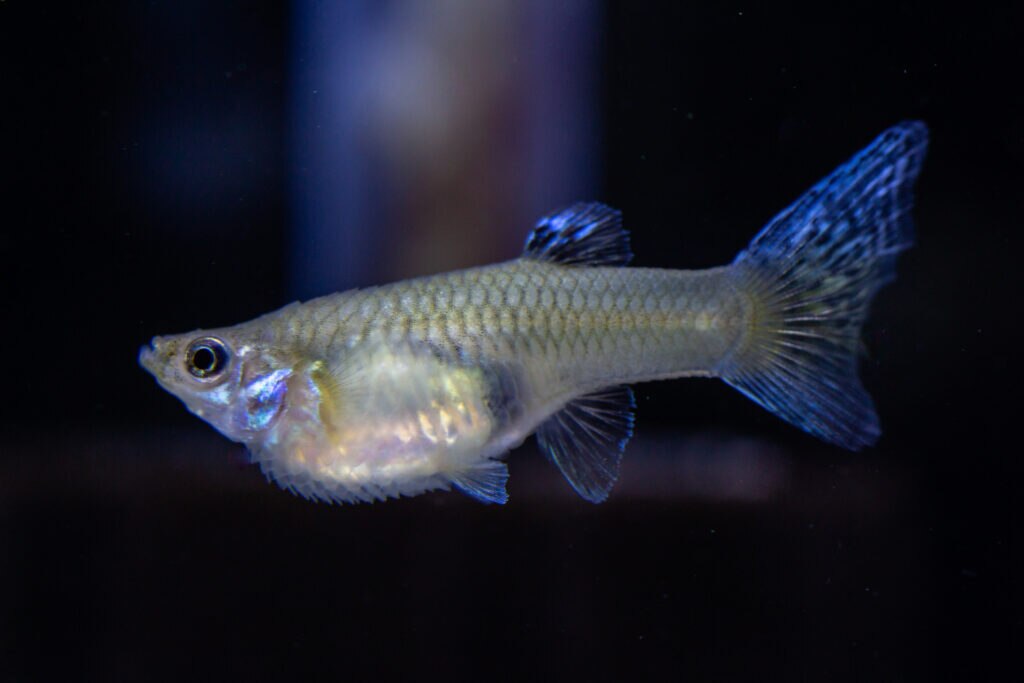
Dropsy in fish is a condition where fluid builds up inside the body, causing visible swelling and raised scales.
Rather than being a disease itself, dropsy is a symptom of an underlying health problem, which can range from poor water quality to serious infections.
Because dropsy can progress quickly, recognizing early signs and seeking veterinary care is critical.
Key Takeaways
- Dropsy in fish is when fluid builds up abnormally inside a fish’s body.
- Fish dropsy is a symptom of an underlying health condition in your fish.
- Always consult your veterinarian to determine the underlying cause of your fish's dropsy.
- Treatment for dropsy in freshwater fish generally requires increasing the salt content of the water to take pressure off the fish's kidneys and gills.
What Is Dropsy in Fish?
Dropsy (also called “fish bloat”) occurs when a fish’s body cannot properly regulate fluids, leading to visible swelling.
Fish rely on their kidneys and gills to remove excess water. When these systems fail—due to infection, stress, or disease—fluid accumulates in the tissues.
Some causes of dropsy are mild and treatable, while others are severe and life-threatening. Because some underlying conditions can be contagious, it’s important to monitor all fish in the tank if one becomes ill.
Dropsy in Fish Symptoms
Symptoms usually appear within a few weeks of the initial problem and may worsen quickly.
Common signs include:
- Swollen or bloated body
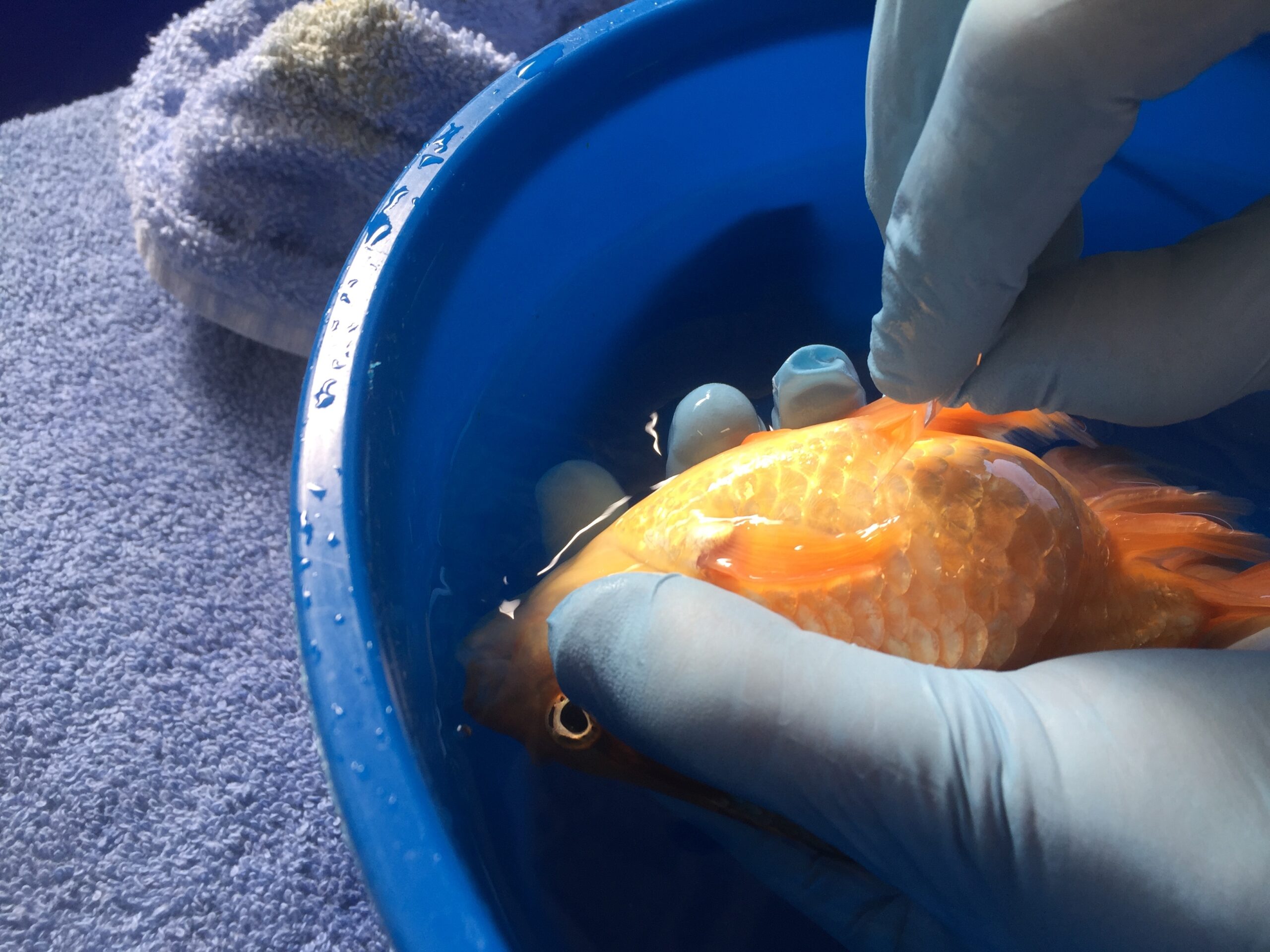
- Scales sticking outward (“pinecone” appearance)
- Bulging eyes
- Thickened tail area
- Difficulty closing the mouth
As the condition progresses, fish may also stop eating or have difficulty swimming.
What Causes Dropsy in Fish?
Dropsy develops when the fish’s body can no longer regulate fluid balance. This often happens due to damage to the kidneys or gills.
Common causes include:
- Poor water quality
- Poor nutrition
- Bacterial or viral infections
- Severe parasite infestations
- Liver disease
- Cancer (tumors)
The most common cause is chronic stress from poor water conditions, which weakens the immune system and allows bacteria to infect internal organs.
How Veterinarians Diagnose Dropsy in Fish
Dropsy is often recognized by its physical appearance, but identifying the underlying cause requires further testing.
A veterinarian may:
- Examine the fish and review tank conditions
- Test water quality
- Perform blood or fluid analysis
- Examine gill or skin samples under a microscope
- Use imaging (ultrasound or CT) to evaluate internal organs
Skin and gill samples are commonly examined under a microscope to assess tissue health and detect parasites. In some cases, samples may be sent to a diagnostic lab for more detailed evaluation.
Imaging techniques like ultrasound or CT scans can help veterinarians look inside the fish to identify fluid accumulation, organ damage, or masses. If needed, a small fluid sample may be collected for additional testing.
How To Treat Dropsy in Fish
Treatment depends on the cause, but most cases involve a combination of medication and supportive care.
Typical treatment may include:
- Antibiotics
- Adjusting water conditions
- Increasing salinity (for freshwater fish, under veterinary guidance)
- Supportive care such as improved nutrition and reduced stress
Increasing salinity can help reduce fluid buildup by easing the workload on the fish’s kidneys and gills. However, this must be done carefully, as not all species tolerate salt the same way.
Never add over-the-counter medications without veterinary guidance, as they can harm beneficial tank bacteria and worsen the condition.
Recovery and Management of Dropsy in Fish
Recovery depends heavily on how quickly treatment begins and the underlying cause.
Some fish improve within days to weeks, especially if treated early. Swelling typically decreases gradually over time.
However, severe or untreated cases may lead to permanent organ damage or death. If a fish stops eating or cannot swim properly, humane euthanasia may be recommended.
How To Prevent Dropsy in Fish
Prevention focuses on reducing stress and maintaining a healthy environment.
To lower risk:
- Maintain proper water quality and test regularly. Water quality ranges will depend on your fish species. Test your water quality at least once a month and modify your maintenance routine if anything is out of range.
- Provide a balanced, species-appropriate diet. Be sure to replace your containers of food every six months to ensure adequate vitamin levels, and store in a cool, airtight container.
- Avoid overcrowding the tank. Most aquariums are overstocked, and this can increase stress on their inhabitants. If you have too many fish in your tank, it can cause severe health issues as they mature.
- Monitor for aggression between tank mates. Some fish species or individuals do not play well with others and can cause chronic stress or trauma. If you note any fish running into each other, it is probably time to move them into their own tank.
- Quarantine new fish before adding them. This is essential to ensure no dangerous bacteria, parasites, or viruses get into a health system of the tank and the fish living in it.
Consistent care is the most effective way to prevent dropsy and other fish diseases.
Dropsy Disease in Fish FAQs
How long do fish survive with dropsy?
Survival depends on the cause of the kidney or gill issue. The sooner the fish is diagnosed, the better the chances of any potential treatments being effective.
What does fish dropsy look like?
Fish with dropsy often appear bloated, with scales sticking outward and sometimes bulging eyes.
Is dropsy painful for fish?
While difficult to measure, dropsy is likely uncomfortable. Fish that stop eating or swimming normally may be experiencing significant distress.
Is dropsy in fish contagious?
Dropsy itself is not contagious, but the underlying cause—such as bacteria, parasites, or viruses—may be.
Can dropsy in fish be cured?
Dropsy can be treated if the underlying cause is identified early, but severe cases are often fatal.


