Blastomycosis in Dogs: What It Is, Symptoms, and Treatment

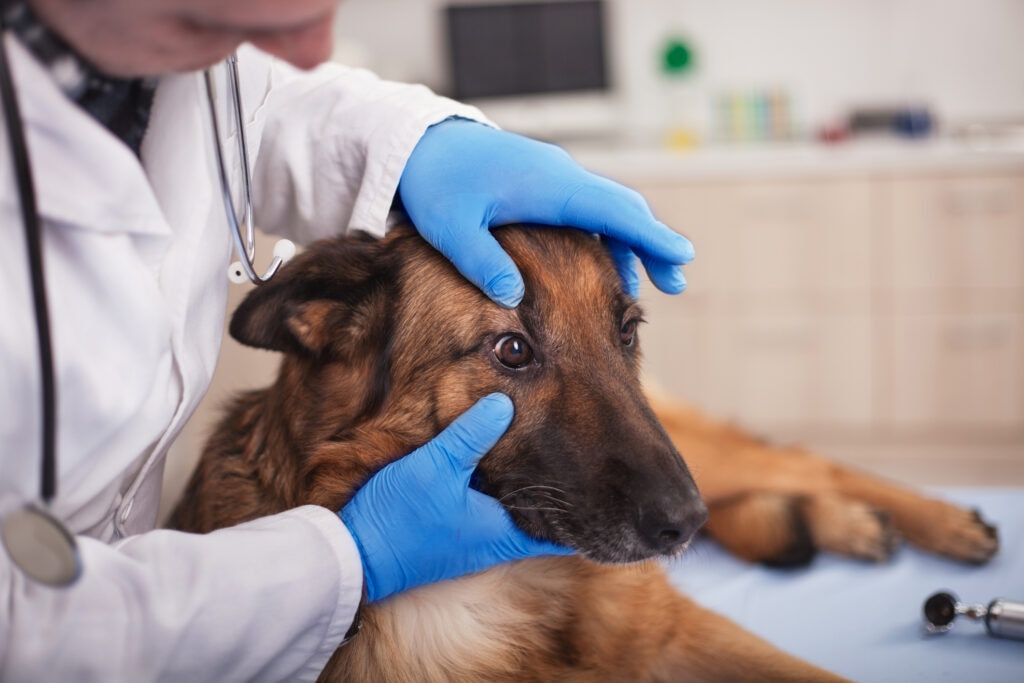
pyotr021/iStock/Getty Images Plus via Getty Images
Blastomycosis in dogs is a disease spread by mold spores in specific damp climates that can lead to respiratory, eye, and skin disease.
Affected pups are often lethargic, have decreased appetite, and may run a fever.
Prompt treatment can be curative when pet parents seek care early.
Key Takeaways
- Blastomycosis is a serious systemic fungal infection in dogs caused by inhaling or contacting spores found in moist, decomposing soil, often near bodies of water or disturbed land.
- Symptoms vary based on organ involvement and can include coughing, eye problems, skin lesions, fever, and neurological issues; diagnosis requires imaging, lab tests, and potentially biopsies.
- Early treatment with oral antifungals improves prognosis, but severe cases—especially those involving the brain or multiple organs—can have a poor outcome and require close monitoring and supportive care.
What Is Blastomycosis in Dogs?
Blastomycosis in dogs is a systemic disease (a disease that can affect the entire body) caused by the fungus Blastomyces dermatitidis. This condition is also referred to as “blasto”.
The fungus is found in soil, where moisture and decomposing matter—such as leaves, feces, and other organic material—are typically found. Because moisture is required for its growth, the fungus is commonly found near water.
The fungus starts as mold in the environment and creates spores, tiny reproductive cells that can spread into the air.
Spores release in the air whenever the soil they live in is disturbed. Spores can then be inhaled into a dog’s airways or embedded in the skin, where it can develop into blastomycosis.
The warmth of the host’s body allows the spores to transform into a budding yeast. The yeast colonizes the lungs or skin, and from there can spread to the bloodstream.
As the disease progresses, the yeast colonizes and infects additional organs.
Once three or more organs are involved, the dog’s prognosis is typically poor. If the disease is caught early and symptoms are mild, most dogs respond well to treatment.
Blastomycosis Symptoms in Dogs
Symptoms of blastomycosis in dogs depend on which organs are affected. Signs may include:
-
Lethargy (decreased energy)
-
A dry, harsh cough
-
Nasal discharge, sometimes with blood
-
Skin nodules or lesions with pus
-
Eye issues, such as inflammation, blindness, or swelling
-
Neurological issues, like head tilting and seizures
-
Lameness or limping
Typically, skin lesions and respiratory problems are the earliest signs of blastomycosis.
Blastomycosis Incubation Period
Blastomycosis incubates for a long time once dogs are exposed.
After inhaling the spores, they will incubate in the body for five to 12 weeks before affected pups show any symptoms of disease.
Fortunately, dogs are not contagious while the blastomycosis is incubating in their body.
Causes of Blastomycosis in Dogs
Blastomycosis in dogs typically occurs when fungus-contaminated soil is disturbed, allowing airborne spores to be inhaled by a dog. Spores can also enter through the skin.
Sporting or hunting dogs are at an increased risk, as they are more often in these contaminated areas.
Areas that consist of water and decomposing matter—or were recently disturbed due to construction—increase the risk of exposure to the disease.
How Veterinarians Diagnose Blastomycosis in Dogs
To diagnose blastomycosis in dogs, a physical exam will be performed. It’s important to provide your veterinarian with any information about where your dog has been, in case it’s an area of high-risk for exposure. Mention any recent vacations or trips with your pet.
This condition can be mistaken for other medical issues, so it’s important for a vet to rule them out.
Your veterinarian may start with the following:
-
Imaging (X-rays, ultrasound, or CT scan), to examine the lungs
-
Urinalysis, to look for yeast
-
Cultures, where the fungus is grown and identified from a swab. This test usually takes several weeks and is used when other tests are inconclusive.
-
Serology, one of the more common ways that blasto is diagnosed and looks for antigen in the blood or urine.
Definitive diagnosis can be obtained by finding the organism in tissue, or through biopsies or a fine needle aspiration (FNA) from skin lesions.
Blastomycosis Treatment in Dogs
To treat blastomycosis in dogs, a veterinarian will prescribe oral antifungal medications, like itraconazole, ketoconazole, or fluconazole.
These medications are given orally over the course of several months. These can be given at home.
Topical medications may also be recommended, like chlorhexidine solution to clean skin wounds.
Topical ophthalmic steroids, like dexamethasone drops, may be used to treat inflammation in the eyes.
Always follow medication instructions as given by your veterinarian. Do not stop medications without veterinary approval.
If an affected pup is having problems breathing, they may require oxygen therapy, hospitalization, and intravenous (IV) medications until they improve.
Sometimes, the infection can be bad enough that surgery is required. Severe skin lesions may need surgical debridement, where dead tissue is removed.
Severely affected eyes may need to be removed in a surgery called an enucleation.
How To Manage Blastomycosis in Dogs
Management of blastomycosis in dogs usually requires long term medication.
If the medications are causing some mild stomach upset, consider probiotics to help maintain a healthy GI biome. Fortiflora and Proviable are good options.
With affected eyes, consider a recovery cone to keep your dog from rubbing at their eyes or face while waiting on them to clear up.
Prognosis for Dogs With Blastomycosis
The prognosis for most dogs is positive if treatment is given as soon as symptoms start and if medication is given correctly.
Pets with severe lung disease may appear worse at the beginning of treatment because the fungal organisms are dying.
They may not improve for one to two weeks after the start of treatment. Close monitoring should be done during this time, regardless of any additional underlying condition.
Once the organism affects the brain, seizures are common and may be uncontrollable.
Dogs with brain involvement often pass away, and if more than three body systems become involved (meaning the disease has spread), the prognosis is typically poor. In these cases, your vet may recommend humane euthanasia.
Relapse can occur in dogs with very severe cases of blastomycosis or if treatment was stopped too soon.
These relapses are most common within the first six months after treatment.
It’s unlikely for a dog to be completely immune once recovered from the blastomycosis.
Routine veterinary appointments, including annual exams, are very important to ensure the health and safety of your pet.
How To Prevent Blastomycosis in Dogs
There is no way to prevent blastomycosis in dogs—aside from avoiding high-risk areas where the fungus may be present.
Blastomycosis in Dogs FAQs
Can dogs recover from blasto?
Yes, dogs can recover from blastomycosis, especially when it’s caught and treated early.
How long does it take for blastomycosis to show symptoms in dogs?
Blastomycosis may take five to 12 weeks from the time a dog is exposed to the time they develop symptoms.
How long can a dog live with blastomycosis?
With treatment, a dog can live a normal life following a blastomycosis diagnosis, assuming they’re not too far gone when treatment is started.
Is blastomycosis contagious to humans?
While uncommon, humans can get blastomycosis, but not from dogs. Humans usually become infected the same way dogs do, by inhaling the spores in the environment.
How did my dog get blastomycosis?
Your dog likely got blastomycosis from inhaling infective spores of mold from soil near bodies of water.


