Conjunctivitis in Dogs: Symptoms and Treatment


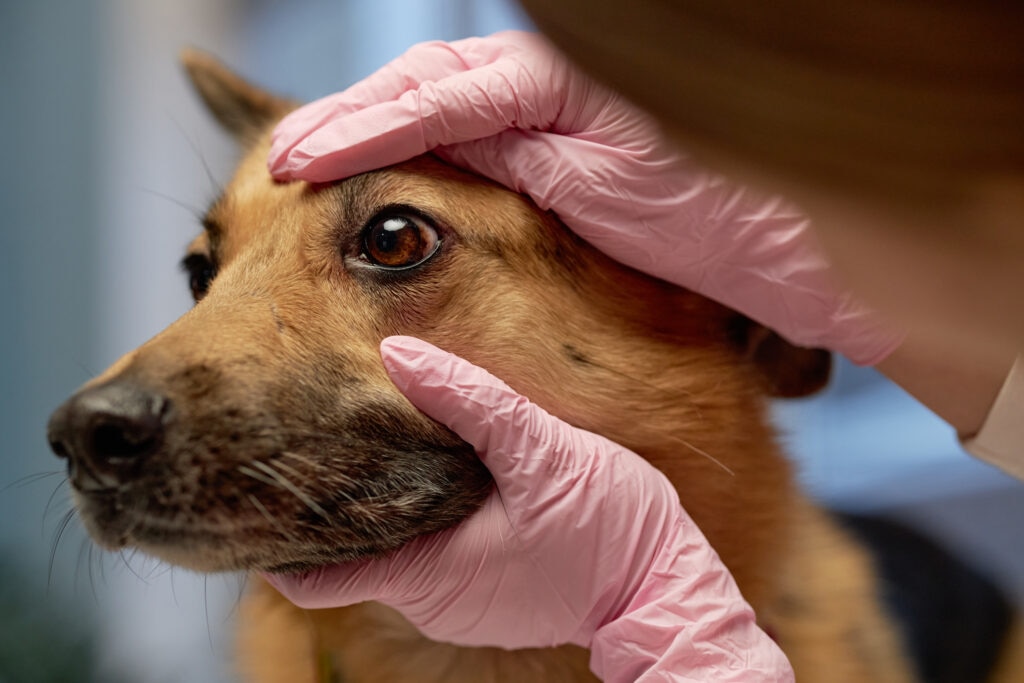
SeventyFour/iStock/Getty Images Plus via Getty Images
Conjunctivitis in dogs is inflammation of the conjunctiva that can cause red eyes, discharge, squinting, and swelling. It can develop from infection, allergies, injury, or other underlying eye conditions and generally requires veterinary treatment.
If your dog’s eye is red or they are squinting frequently, contact your veterinarian for guidance.
Key Takeaways
- Conjunctivitis in dogs is common and can be caused by infections, allergens, injury, or underlying health issues.
- Symptoms include red eyes, discharge, squinting, and swelling, and treatment depends on the underlying cause.
- Most cases resolve within seven to 10 days with veterinary care, but chronic conditions may cause recurring flare-ups that require ongoing management.
What Is Conjunctivitis in Dogs?
Conjunctivitis in dogs is inflammation of the pink part of the eye, called the conjunctiva.
The conjunctiva covers the white part of the eyeball and the inside of the eyelids. It protects the dog's eye, produces some tears for lubrication, and provides oxygen and nutrients to the eye.
Inflammation can occur for a variety of reasons, such as an infection or exposure to an allergen, causing inflammatory cells within the eye to react. Dogs with conjunctivitis may develop symptoms such as unusual eye discharge, squinting, and eye redness.
Conjunctivitis is not generally a medical emergency in itself; however, it can become one if appropriate treatment is not given. If left untreated, the condition can severely worsen and affect a dog's vision.
If your dog is experiencing discomfort or pain, having trouble seeing, or has eye symptoms that persist or worsen, contact a veterinarian immediately.
What Are the Symptoms of Conjunctivitis in Dogs?
The most common symptoms of conjunctivitis in dogs include:
- Squinting
- Eye redness
- Watery or mucoid eye discharge
- Pawing at the eye
- Eye swelling
- Light sensitivity
What Causes Conjunctivitis in Dogs?
Conjunctivitis in dogs has a variety of causes, including bacterial or viral infections, foreign objects, allergens, chemical or toxin exposure, eyelid abnormalities, trauma, tumors, immune-mediated disease, and other eye conditions.
- Bacterial infection: Normal eye bacteria, such as Staphylococcus, can cause infection when a dog's immune system is weak, leading to symptoms of conjunctivitis.
- Viral infection: Infections such as canine distemper virus or canine herpesvirus can result in eye inflammation.
- Foreign object: If a dog gets dirt or a piece of grass in their eye, it can lead to irritation.
- Allergen: Dogs with seasonal allergies to pollen or dust, for example, can experience eye inflammation.
- Chemical or toxin exposure: Exposure to chemicals in the environment, such as smoke, can irritate the eyeball and surrounding structures.
- Eyelid abnormalities: Dogs with irregularities of their eyelids, such as improper turning of the eyelid or abnormal eyelashes, have an increased risk for conjunctivitis.
- Trauma: Any type of trauma to the eye or nearby area can lead to eye inflammation and swelling.
- Tumors: Although rare, tumors that develop on the eyelid or conjunctiva can cause significant inflammation within the eye.
- Immune-mediated disease: Plasma-cell conjunctivitis and keratoconjunctivitis sicca develop due to immune system dysfunction and cause unwanted eye symptoms.
- Other eye conditions: Glaucoma and uveitis cause abnormal eye pressure, which can lead to inflammation within the eye.
Both males and females are equally likely to develop conjunctivitis. While this condition can affect dogs of any age, it is more common in puppies, young adults, and seniors, likely due to weaker immune systems.
Certain breeds, such as Cavalier King Charles Spaniels, Pugs, German Shepherds, and Border Collies, are at an increased risk of conjunctivitis due to genetics.
How Is Conjunctivitis in Dogs Diagnosed?
Veterinarians diagnose conjunctivitis in dogs with a complete physical and eye exam and may perform additional tests to identify the underlying cause.
Your veterinarian will start with a complete physical exam, checking your dog from nose to tail. The eyes will be carefully examined visually and with an ophthalmoscope, a special tool used to identify abnormalities within the eye and surrounding structures.
Pet parents can describe any eye discharge they've noticed and when symptoms first occurred to give the veterinarian a complete history.
If the veterinarian sees symptoms of conjunctivitis during the exam, they may perform additional tests to identify the underlying cause. These tests don't require any preparation at home by the pet parent and may include:
- Schirmer tear test: A small strip of paper is gently placed inside the dog's eyelid to measure tear production. If the result is abnormally low, lack of tear production may be a contributing factor to the conjunctivitis.
- Tonometry: The dog's eye is numbed, and a tool called a tonometer is used to gently tap the cornea and measure eye pressure. Abnormal pressure can be diagnosed and linked to the conjunctivitis.
- Fluorescein stain: A drop of dye is placed in the dog's eye, and a blue light is used to identify any scratches or ulcers. These abnormalities can result in eye inflammation and corresponding symptoms.
- Conjunctival swab: For severe cases or those not responding to initial treatment, a swab can be used to collect a sample from the conjunctiva. The sample can then be processed in a laboratory to identify the bacteria or virus causing the conjunctivitis.
How Is Conjunctivitis in Dogs Treated?
Treatment for conjunctivitis in dogs depends on the underlying cause. Your veterinarian will determine the most appropriate treatment plan, but options may include:
- Topical ointment: Ointments containing antibiotics and anti-inflammatories, such as Neo-Poly-Dex Ophthalmic Ointment, can improve conjunctivitis in some cases, especially when the underlying cause is a bacterial infection.
Terramycin ointment is beneficial if a dog can't use topical steroids, such as if they have a corneal ulcer. - Oral antibiotics: In severe cases or for dogs who do not allow topical administration, an oral antibiotic such as Clavamox can be prescribed.
- Artificial tears: In some dogs, including those with viral infections, artificial tears can soothe and lubricate the eyes and improve symptoms.
- Antihistamines: Dogs with allergies can benefit from antihistamines, including hydroxyzine, to reduce their eye symptoms.
-
Oral steroids. To reduce inflammation or treat an underlying immune-mediated disease, prednisone may be prescribed.
- Pain medication: Non-steroidal anti-inflammatories, such as topical flurbiprofen or oral meloxicam, can reduce pain associated with underlying eye issues.
- Other topical medications: Tacrolimus or cyclosporine may be prescribed if underlying immune-mediated conditions affecting the eye are diagnosed.
Dorzolamide or atropine sulfate may be given to treat underlying glaucoma or uveitis that can contribute to conjunctivitis.
Some dogs may benefit from having the eye flushed with saline at a veterinarian's office to remove allergens or foreign objects.
Surgery may be required to correct eyelid abnormalities or remove tumors that contribute to symptoms of conjunctivitis.
Your veterinarian will advise you on the most suitable treatment option based on your pet's unique condition.
Recovery and Management of Conjunctivitis in Dogs
Conjunctivitis in dogs is generally curable with appropriate treatment, and most episodes clear within seven to 10 days. Some cases can take a few weeks to resolve.
In dogs with chronic underlying health conditions, flare-ups of conjunctivitis that require treatment can occur throughout their lives.
Dogs may need to wear a recovery cone while recovering from conjunctivitis to prevent itching and pawing at their eyes.
Always follow your veterinarian's instructions closely when treating your dog at home.
How To Prevent Conjunctivitis in Dogs
Some cases of conjunctivitis in dogs may not be entirely preventable, such as those that develop because of underlying immune-mediated conditions.
To help reduce the risk of conjunctivitis:
- Avoid exposing your dog to environmental allergens or chemicals.
- Maintain regular wellness care, including vaccinations, to protect your dog against viral infections that can cause conjunctivitis.
- Follow your veterinarian's instructions for managing any other health conditions your dog may have, which can reduce their risk of secondarily developing conjunctivitis.a
Conjunctivitis in Dogs FAQs
How do I treat my dog's conjunctivitis?
Treatment for your dog's conjunctivitis depends on the underlying cause. Your veterinarian can advise you on the best course of treatment after examining your dog.
Should I take my dog to the vet for conjunctivitis?
Yes. Take your dog to the veterinarian if you notice concerning eye symptoms such as redness, discharge, or swelling.
How long does it take a dog to get over conjunctivitis?
Dogs generally recover from conjunctivitis within seven to 10 days, although some cases can take a few weeks to resolve.
Dogs with chronic underlying health conditions may experience flare-ups throughout their lives that require management.
Can conjunctivitis be left untreated in dogs?
No. If you suspect your dog has conjunctivitis, it's important to see a veterinarian because untreated conjunctivitis can become severe and lead to vision issues.
Will conjunctivitis in dogs go away on its own?
In some mild cases, conjunctivitis symptoms may resolve on their own, such as after brief exposure to an allergen. However, it's best to contact a veterinarian for guidance rather than using home remedies to treat eye problems in your dog.
Veterinary guidance can help reduce the risk of complications if eye symptoms are left untreated.


