31 Cat-Safe Plants and Flowers

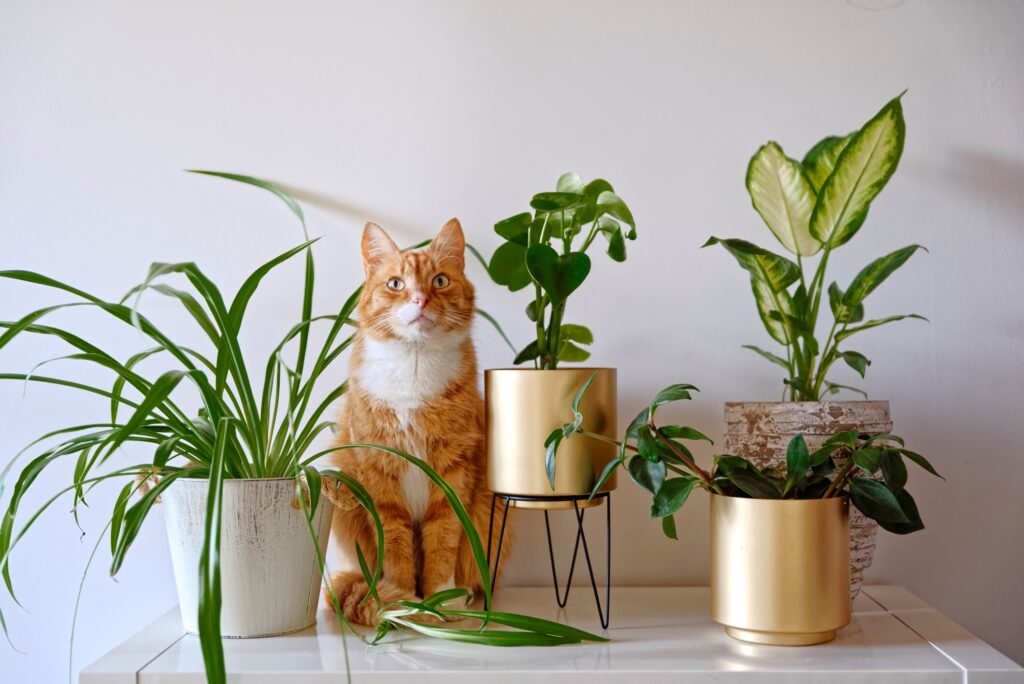
Damian Lugowski/iStock / Getty Images Plus via Getty Images
Many plants and flowers are safe for cats, but “cat-safe” does not always mean completely harmless—some can still cause stomach upset or other problems if eaten.
If you live with a curious cat, it’s smart to think twice before bringing home new greenery. Some popular houseplants and bouquets are fine around felines, while others can be very dangerous.
That’s why choosing cat-safe plants and flowers matters. And because common plant names can be confusing, it’s always best to confirm the exact species before assuming a plant is non-toxic.
Key Takeaways
- Many flowers and houseplants are considered safe for cats, including roses, orchids, spider plants, and basil.
- Even non-toxic plants can still cause vomiting, diarrhea, or poor appetite if your cat chews on them.
- Some plants that are only mildly irritating to dogs can be extremely dangerous for cats, especially lilies.
- Always check a plant by its scientific name when possible.
- If your cat may have eaten a toxic plant, contact your emergency vet, or Pet Poison Helpline immediately.
11 Flowers Safe for Cats
Here are some popular cat-friendly flowers:
-
Alstroemeria
-
Asters
-
Dense blazing star (Liatris spicata)
-
Freesia
-
Gerbera daisies (Gerbera jamesonii)
-
Lisianthus
-
Orchids
-
Roses
-
Snapdragon (Antirrhinum majus)
-
Statice (Limonium sinuatum)
-
Sunflowers (Helianthus angustifolius)
20 Plants Safe for Cats
If you’re looking for less pops of color and more greenery, there are plenty of cat-friendly house plants you can choose:
-
Areca palm (Dypsis lutescens)
-
Bamboo (Phyllostachys aurea)
-
Basil (Ocimum basilicum)
-
Boston fern (Nephrolepis exalta bostoniensis)
-
Cilantro (Coriandrum sativum)
-
Dill (Anethum graveolena)
-
Dwarf date palm (Phoenix acaulis)
-
Friendship plant (Pilea involucrata)
-
Hens and chicks (Echeveria elegans)
-
Lady palm (Rhapis excelsa)
-
Lemon balm (Melissa officinalis)
-
Old man cactus (Cephalocereus senilis)
-
Painted lady (Echeveria multicaulis)
-
Reed palm (Chamaedorea elegans)
-
Rosemary (Rosmarinus officinalis)
-
Sage (Salvia officinalis)
-
Shrimp cactus (Schlumbergera russelliana)
-
Spider plant/spider ivy (Chlorophytum comosum)
-
Venus fly trap (Dionaea muscipula)
-
Zebra haworthia (Haworthia fasciata)
Different flowers and plants sometimes go by similar common names. Whenever possible, find the plant’s scientific name (genus and species) and use that to search a reliable database, like the ASPCA Pet Poison Control’s toxic and non-toxic plants list.
Plant Safety for Cats
Just because a plant isn’t toxic to cats doesn’t mean it still can’t pose safety concerns.
Anything unusual that a cat eats, including plant material and the cut flower food that often comes with bouquets, can lead to an upset tummy and symptoms like vomiting, diarrhea, and a poor appetite. Cats that eat large amounts of any type of plant material are also at risk for a gastrointestinal blockage.
Wismer recommends keeping all plants and flowers out of reach of curious cats. You can contain them in a room your cat isn’t allowed to be in unsupervised, or use hanging planters so your kitty can’t reach them.
What To Do if Your Cat Eats a Plant That Might Be Poisonous
If your cat nibbled on a flower or plant and you’re unsure whether it may be toxic, call your emergency vet, Pet Poison Helpline at 855-764-7661, or the ASPCA Animal Poison Control Center at 888-426-4435.
You should call even if you just suspect that your cat might have eaten part of a plant or flower. Getting cats the treatment they need as quickly as possible can save both money and lives.
What Is the Safest Plant for Cats?
The safest plant for cats is cat grass, which can contain oat, wheat, barley, alfafa, and rye grass.
Choosing cat-safe plants and flowers can help you create a home that is both beautiful and safer for your pet. Still, “safe for cats” does not mean “safe to eat,” so it is best to prevent chewing whenever possible.
When in doubt, verify the plant by its scientific name and keep it out of reach of curious paws. And if your cat ever nibbles a plant you are unsure about, call your veterinarian or Pet Poison Helpline.
Cat-Safe Plants FAQs
Are roses toxic to cats?
Roses are not toxic to cats, but be careful of the flower’s thorns. These can become embedded in a cat’s skin or mouth.
Are orchids poisonous to cats?
No, orchids are not toxic to cats.
Is it safe for cats to eat catnip plants?
Catnip plants are safe for cats to eat in moderation. Some cats can develop vomiting, diarrhea, or become overly sedate or overly stimulated if they eat too much. Talk to your vet for the best advice on catnip for your kitty.


