Morkie


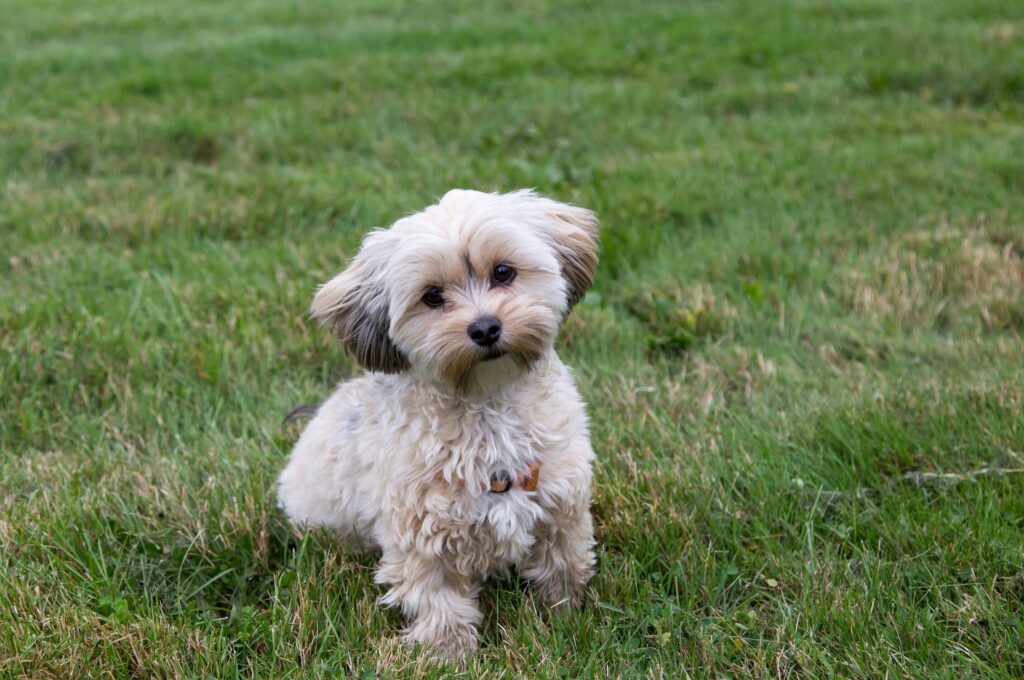
Sometimes called the Morkshire Terrier, the Morkie—a cross between a Maltese and a Yorkshire Terrier (Yorkie)—weighs only about 7 pounds when full grown.
With the combination of these two popular toy breeds, you can typically expect an affectionate, playful, and confident pup. Morkies can thrive in a variety of environments, thanks to their adaptability and petite size.
Key Takeaways
- Morkies are affectionate, playful companion dogs who typically weigh 7 pounds or less and can thrive in many living situations.
- Morkies need daily grooming, regular dental care, moderate exercise, and close companionship.
- Positive reinforcement training and early socialization can help Morkies become well-adjusted companions and while reducing excessive barking.
- Morkies can inherit certain health conditions, so it's important to work with a responsible breeder and keep up with routine vet care.
Caring for a Morkie
The Morkie is a crossbreed that carries some contradictions: Like most small dogs, Morkies are short in stature but not in personality. The descendants of a Yorkshire Terrier and a Maltese (historically rat hunters and status symbols, respectively), Morkie dogs are spirited and fearless—but also affectionate and gentle.
Morkies need moderate exercise, such as a short walk every day. These dogs have a reputation for being a low-shedding breed, but don’t let that fool you into thinking grooming will be a breeze: Those long, silky locks are prone to matting and need to be brushed daily with a pin brush or slicker brush.
With their tiny size, medium exercise needs, friendliness, and trainability, Morkies can be a great choice for apartment dwellers and first-time pet parents who can provide them with close companionship. But because they rarely weigh more than 7 pounds, Morkies may not be the best companions for young children or larger pets who can cause them accidental harm.
Morkie Health Issues
Both Maltese and Yorkshire Terriers are healthy breeds with life expectancies of 11–15 years, and the Morkie’s lifespan is similar. Still, like all dogs, the two parent breeds are prone to various health conditions that can be passed to their offspring. This highlights the importance of working with a Morkie breeder who’s committed to health over profit and performs genetic testing before breeding.
The following conditions are common in Maltese, Yorkies, or both.
Patellar Luxation
When the patella (kneecap) moves outside its normal groove within the femur (thigh bone), this is called patellar luxation (dislocation). The condition is more common in smaller breeds like Maltese and Yorkies. In some dogs it doesn’t cause a problem, but severe cases may require surgery.
Signs of patellar luxation include:
-
Limping
-
Bunny-hopping
-
Popping, cracking knee joint
Periodontal Disease
Periodontal disease, or gum disease, is a progressive condition in which bacteria accumulate in the mouth, causing damage to the dog’s gums, jaw bones, and other tissues. While the disease is common in all dogs, small and toy breeds (including the Maltese and the Yorkie) are especially prone to the problem.
Signs of periodontal disease range from irritated, bleeding gums and bad breath to missing teeth and root exposure. Mild cases may only need a professional dental cleaning, while severely affected teeth must be extracted.
Frequent tooth brushing at home (at least three times a week) and annual professional cleanings are the best way to reduce the risk of periodontal disease.
Portosystemic Shunts
While portosystemic shunts (also called liver shunts) are relatively uncommon, Maltese and Yorkies are among the breeds that can develop the condition.
A liver shunt is an abnormal blood vessel that connects blood from the digestive tract directly to the circulatory system, without properly going through the liver first. This blood—which contains nutrients, hormones, and waste material—therefore skips the vital detoxification process that happens in the liver.
Treatment depends on the severity of the condition. Some dogs are good candidates for surgery, while others will be better suited to medication and diet change.
Signs of portosystemic shunts include:
- Poor growth
- Poor appetite or an appetite for unusual items
- Weight loss
- Increased thirst and urination
- Difficulty urinating or blood in the urine
- Vomiting (may contain blood)
- Diarrhea (may contain blood)
- Behavioral changes such as dullness, vacant staring, head pressing, vision loss, clumsiness, and circling
Patent Ductus Arteriosus
Patent ductus arteriosus (PDA) is a congenital heart defect in dogs, and the Maltese is at an increased risk.
The ductus arteriosus is a blood vessel that is necessary during fetal development to divert blood from the fetus’ lungs. Shortly after birth, this vessel naturally closes to allow blood to flow through the lungs for oxygenation. But in puppies with PDA, the ductus arteriosus stays open, resulting in a dangerous disruption of normal circulation.
This can lead to heart failure, the signs of which include difficulty breathing, coughing, weakness, and exercise intolerance. Corrective surgery to close the vessel is the preferred treatment, and outcomes are best if it’s done before the dog develops heart failure.
Tracheal Collapse
The trachea, often called the windpipe, is a tube consisting of C-shaped rings of cartilage covered with a thin membrane that carries air from the mouth and nose to the lungs. If the cartilage weakens or the membrane stretches out, the trachea’s shape flattens.
This is called tracheal collapse, and Yorkshire Terriers carry an increased risk of developing this condition. Medication is typically enough to help most dogs with tracheal collapse if they have clinical signs, but some may require surgery. If the symptoms are not persistent or severe, treatment might not be necessary.
Dogs with tracheal collapse tend to have a recurring cough that sounds like a goose honk that tends to worsen with exercise; heat and humidity; excitement; stress; and eating and drinking. Signs can also include:
- Retching
- Difficulty breathing
- Exercise intolerance
- Blue-tinged gums
- Fainting
What To Feed a Morkie
There’s no one-size-fits-all recommendation for feeding your Morkie dog. You’ll need to work with your veterinarian to develop a feeding plan that’s nutritionally complete and balanced for your pup’s age, weight, and health. Even the size of the kibble is important, as small teeth need small kibble.
How To Feed a Morkie
Morkie puppies need frequent meals (three or four a day) to avoid hypoglycemia (low blood sugar). Adult Morkies can be fed less frequently, typically two or three times a day. Your vet can help you determine the best schedule for your dog’s age.
How Much Should You Feed a Morkie?
The nutrition label on your dog’s food bag includes a feeding guide that gives a general idea of how much you should feed your Morkie based on their weight. But for a more precise answer, ask your veterinarian.
A vet will tailor their recommendation to your dog’s weight, body condition score, lifestyle, and health needs. Remember that treats count—especially in dogs as small as Morkies—so be sure to factor them into your dog’s daily calories.
Nutritional Tips for Morkies
If your Morkie is eating a complete and balanced diet of dog food compliant with the Association of American Feed Control Officials (AAFCO) nutritional standards, they shouldn’t need anything extra.
However, nutritional supplements and even prescription diets are sometimes used to treat or prevent certain health conditions. Given the Morkie’s parent breeds’ predisposition for developing periodontal disease, your vet may recommend dental chews as a precaution, though they won’t replace regular tooth brushing!
Talk to your veterinary team before adding anything new to your dog’s diet.
Behavior and Training Tips for Morkies
When socialized early and appropriately trained, these pint-size pups can thrive in a variety of settings, including apartments.
Morkie Personality and Temperament
Morkies are confident, affectionate dogs who love their families. While their dainty appearance may lead you to believe that Morkies are decorative lap dogs, they love playing and need daily opportunities to move their energetic bodies and challenge their impressive wits—their Yorkie parent was bred to hunt rodents, after all!
However, their size does warrant extra caution when it comes to young children and other pets. Morkies may look like mere toys to toddlers—or like a squeaky toy to larger dogs.
Morkie Behavior
The Morkie’s confidence, vigilance, and family attachment can sometimes lead to barking that outsizes their 7-pound frame, but training can help keep the peace. Addressing this becomes particularly important if you live in an apartment.
Morkies are happiest when they’re with their humans. They can get bored, stressed, and anxious when left alone for long periods, resulting in unwanted behaviors like barking and house-soiling. (You’ll want to have some cleaning supplies on hand if this happens.)
Morkie Training
All dogs go through a critical development period from birth to around 16 weeks old. During this time, they learn how to interact with humans and other animals. Talk to your Morkie breeder about how they approach socialization. If done well, it can pay dividends in adulthood.
Morkies are intelligent dogs, but they can be strong-willed when it comes to training. Consistent positive training that uses rewards instead of punishment is the best way to teach your pup while building the human-animal bond.
If you’re using treats as a reward, however, remember to factor them into your dog’s daily calorie count. Play, interactive toys, and other things your dog enjoys can also be used as rewards.
Morkie Grooming Guide
Both of the Morkie’s parents are known for their eye-catching silky, long hair. The good news: You won’t have to put a lot of effort into cleaning their hair off your clothes and couch because Morkies don’t shed very much. The tradeoff? You may not need a lint roller, but you will need to brush or comb their luminous locks every day.
Skin Care
Good coat care is the foundation of good skin care. Tangles and matting can keep moisture, debris, and other irritants next to your Morkie’s skin, so it’s essential to keep their hair free from problems.
A Morkie should be bathed regularly, so ask your veterinarian for help when determining a schedule. Keep in mind that bathing your pup too often can strip their skin of healthy oils, and lead to dryness and itchiness.
Coat Care
Long-haired Morkies need to be brushed or combed every day to prevent tangles or mats from forming. But if caring for long locks feels a bit too daunting, you can give your pup a short haircut that’s easier to manage. Professional grooming can help.
Eye Care
Regardless of how long you keep your Morkie’s coat, you’ll need to regularly ensure that the hair around their eyes is trimmed so it doesn’t cause irritation.
Ear Care
Talk to your veterinarian about how often you should clean your Morkie’s ears. If you notice signs of an ear infection (redness, swelling, pain, or bad odor), it’s time to call your vet.
Nail Care
Trim your dog’s nails every few weeks. You’ll know it’s time for a manicure when you can hear their nails click-clacking on the floor.
Dental Care
Small dogs like Yorkies and Maltese—and therefore, Morkies—are more prone to dental disease. The best way to prevent this is by brushing their teeth at least two or three times per week (but daily is best).
Considerations for Pet Parents
Here are some questions to consider before adding a Morkie puppy to your family:
-
Can I provide a safe environment for a dog who can be easily injured by young children or other pets?
-
Can I brush or comb a dog’s coat at least once a day?
-
Can I provide regular baths?
-
Can I brush a dog’s teeth at least three times a week?
-
Am I home enough to give a dog companionship?
-
Do I have the time to provide a dog with mental and physical exercise every day?
-
Do I have the skills, patience, and dedication to train a dog with a reputation for stubbornness and barking, using positive reinforcement?
-
Am I financially prepared to provide veterinary care?
-
Can I provide a dog with a loving home for their lifetime, which could be 15 years or more?
If you can answer these questions with an enthusiastic “Yes!” you may be ready to parent a Morkie.
Morkie FAQs
How long do Morkies live?
As is the case with most small dogs, the typical Morkie lifespan is long. These dogs generally live 11–15 years.
How much does a Morkie cost?
The cost of adding a Morkie to your family is typically $800–$3,000. However, you may be able to adopt a rescued Morkie for less.
How big do Morkies get?
Adult, full-grown Morkies are nonetheless tiny. These compact companions max out at 7 pounds and are about 9 inches tall.
Do Morkies shed a lot?
Both parent breeds of the Morkie have hair instead of fur. A perk of this is that they are low on the shedding scale. The downside: Their long, silky locks require daily attention to keep tangles at bay.


