Kitten Vaccines: Types, Schedule and Costs


aida makhmudova/iStock/Getty Images Plus via Getty Images
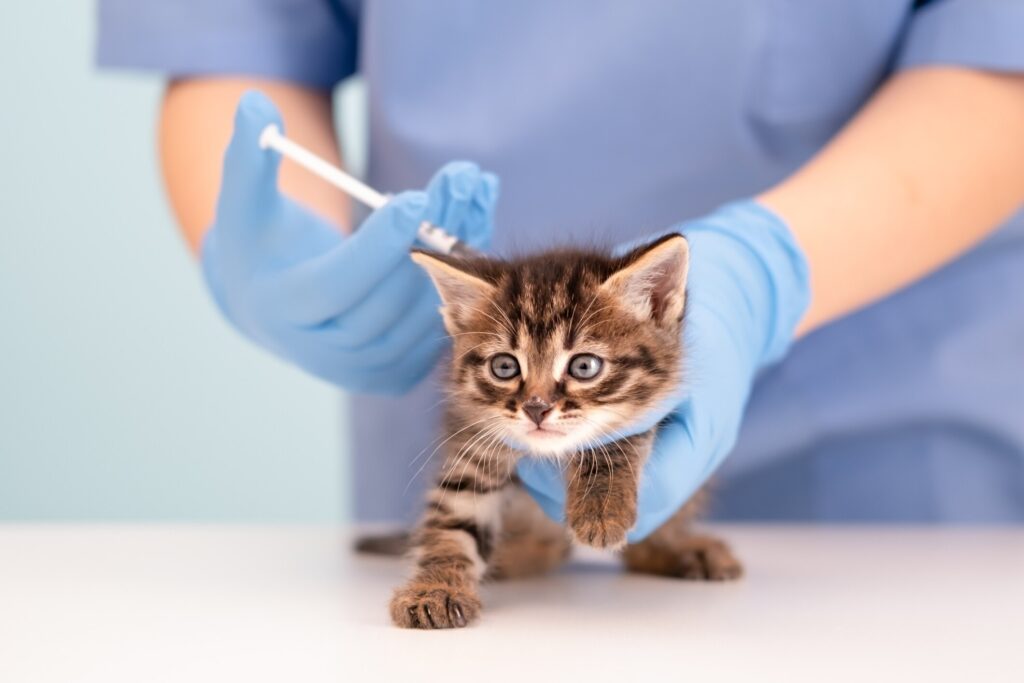
Kitten vaccines are extremely important. Vaccinations help protect kittens from serious, sometimes life-threatening infectious diseases while their natural immunity from their mother starts to fade.
Most kittens begin vaccines around 6–8 weeks old, with boosters given every few weeks until about 16 weeks of age. Core kitten vaccines typically include a combination vaccine for several common diseases, as well as a rabies vaccine and feline leukemia vaccine.
Costs vary by clinic and location, but many vaccines run about $25–$60 per shot, plus an exam fee. Planning ahead can help you map out your kitten’s vaccine schedule and budget accordingly.
Key Takeaways
- Kittens should begin receiving core vaccinations starting between 6–8 weeks of age with boosters continuing until about 16 weeks. These vaccines are essential.
- Discussing your kitten’s lifestyle with your vet will help determine whether FeLV vaccines are necessary after the age of 1.
- Vaccinations may cause mild to severe side effects, and pet parents should monitor their kittens after each dose.
- Severe reactions like facial swelling or difficulty breathing require emergency veterinary attention.
Why Do Kittens Need Vaccines?
Vaccines help to protect your new kitten from several fatal infectious diseases.
While vaccines are important at all ages, kitten shots are essential as their natural immunity from their mother is decreasing.
When given correctly, kitten vaccines induce a response by the immune system to either prevent the disease altogether or significantly reduce its severity.
What Shots Do Kittens Need?
FVRCP, rabies, and FeLV are the three vaccines that should be given to all kittens (known as core vaccines).
FVRCP
All kittens should receive the FVRCP vaccine, which protects against three common but serious diseases. The name FVRCP is an acronym for the diseases it protects against:
-
Feline viral rhinotracheitis (FVR): Highly contagious between cats, it’s a major cause of upper respiratory infections and is caused by feline herpes virus type 1. Cats that become infected will always be carriers of the virus.
-
Feline calicivirus (C): One of the most common viral causes of feline upper respiratory infections.
-
Feline panleukopenia (P): Sometimes called feline distemper, it’s very contagious between cats and is caused by feline parvovirus.
Timing: The kitten vaccination schedule for FVRCP can begin as early as 6 weeks of age. Kittens are vaccinated once every three to four weeks until they reach 16 weeks of age or older. However, to avoid over-vaccination, most veterinarians will recommend starting the vaccine at 8 weeks of age, followed by boosters at 12 weeks and 16 weeks old.
Rabies
Rabies is the other core kitten vaccination. Rabies is a fatal disease that can affect cats and many other animals, including humans.
Timing: Your kitten can receive a rabies vaccination as early as 12 weeks of age, but this depends on your state laws and veterinarian.
FeLV
The American Animal Health Association considers the feline leukemia virus (FeLV) vaccine a core vaccine for all kittens younger than 1 year of age and a non-core vaccine (optional) for cats older than 1 year.
Feline leukemia is a viral disease that can be transferred to kittens from their mother or through close contact with other infected cats.
The decision to vaccinate cats older than 1 year old should be based on your pet’s lifestyle and a discussion with your vet. Cats who spend time outside or with other cats who go outdoors are ideal candidates for this vaccine.
Timing: Kittens should be tested for FeLV prior to vaccination. Vaccination can begin as early as 8 weeks of age, though usually it’s started at around 10–12 weeks. It requires a booster vaccine that’s given three to four weeks later.
Kitten Vaccine Schedule
Let’s look at the recommended schedule for your kitten’s shots.
-
6–8 weeks:
-
FVRCP highly recommended
-
-
10–12 weeks:
-
FVRCP highly recommended (second in series)
-
FeLV highly recommended
-
-
14–16 weeks:
-
FVRCP highly recommended (third in series)
-
Rabies required by law
-
FeLV highly recommended
-
-
1–year booster:
-
FVRCP booster highly recommended
-
Rabies booster required by law
-
FeLV recommended based on risk
-
It’s important to keep with your vet’s recommended vaccine schedule so that these shots provide the desired immunity.
If vaccines are not given in the appropriate time frame, they will likely be ineffective. To provide your kitten with the best chance of avoiding these potentially fatal diseases if they miss a vaccine dose, starting the series over from the beginning is recommended.
How Much Are Kitten Shots?
Depending on the manufacturer and where you live, each vaccine costs roughly $25 to $60. Your kitten will also need a physical examination to make sure that they are healthy enough to get vaccines.
The initial examination will be with your veterinarian, and the cost of the initial exam can range from $50–$100 on average. Follow-up exams are either with your vet or a certified veterinary technician. The follow-up visit cost might be lower with a technician.
Kitten Vaccination Side Effects
Side effects of cat vaccinations are usually mild if they occur at all, although in rare instances, unexpected severe reactions can occur. Your veterinary team should discuss these possible issues with you, so you know what to monitor for.
Mild side effects can include:
-
Tiredness
-
Soreness at the site of injection
-
Lump at the site of injection
Moderate side effects can include:
More severe side effects include:
Bring your pet to an emergency veterinary hospital if you see any severe side effects.
If you have any concerns about your kitten after receiving vaccinations, contact your veterinarian or bring your pet in for a vet visit.
They will help determine if it’s safe to continue with the vaccine series and may even recommend giving your cat medication (like a steroid or Benadryl) ahead of time to decrease the possibility of a reaction.
Additional Preventive Care for Kittens
Vaccines are just one part of keeping kittens healthy. Preventive care also focuses on parasite protection, early screening tests, and routine wellness exams that help catch problems early and reduce the risk of contagious diseases.
-
Parasite prevention: All-in-one monthly preventives, such as Revolution Plus, protect your cat against heartworm disease, fleas and ticks, and intestinal worms. Revolution Plus is indicated for kittens as young as 8 weeks and who weigh at least 2.8 pounds.
-
Deworming: Giving deworming medications to your kitten, such as Drontal, protects them against harmful intestinal worms, such as tapeworms, hookworms, whipworms, and roundworms.
-
Wellness exams: Regular wellness exams with your veterinarian monitor your cat’s overall health and identify any health concerns early so they can be addressed and treated if needed.
-
Screening tests: Early screening tests can check for infectious diseases in your kitten, including FIV (feline immunodeficiency virus) or FeLV, that may impact their overall health and well-being.
Kitten Vaccines FAQs
What vaccines do kittens need?
Kittens need the FVRCP, FeLV, and rabies vaccines to stay healthy and protected. These protect your kitten against infectious diseases including feline viral rhinotracheitis, calicivirus, panleukopenia, feline leukemia, and rabies.
What is the 3-in-1 vaccine for kittens?
The 3-in-1 vaccine for kittens refers to the FVRCP vaccine. The acronym stands for the diseases that it protects against: Feline Viral Rhinotracheitis, Calicivirus, and Panleukopenia.
When do kittens need shots?
Kittens should begin their initial vaccinations between 6 and 8 weeks of age, starting with the FVRCP vaccine which is given at three- to four-week intervals until the kitten is at least 16 weeks old. The rabies vaccine is given once between 12 to 16 weeks of age, and the FeLV vaccine is given once around 8 to 12 weeks of age with one booster three to four weeks later.
Do indoor kittens need vaccines?
Yes, indoor kittens still need vaccinations to stay protected. Rabies vaccines are required by law for all cats regardless of whether they are indoor or outdoor cats. FVRCP and FeLV (for cats younger than 1 year of age) are considered core vaccines for indoor and outdoor kittens.


